


Summary
- OpenAI published a Higgsfield case study on October 13, saying Higgsfield videos that topped out at around one minute before GPT-6 Astra now run longer than 10 minutes.
- CEO Alex Mashrabov explained that Astra's external tool calling takes manual 3D modeling work off creators to keep longer videos consistent, and that GPT-Image-2.5 reliably renders text and infographics on top of images.
- About 200 creatives and 100 engineers use Codex to bring prototypes straight into the product, and the company named voice to movie, making films by voice, as its next goal.
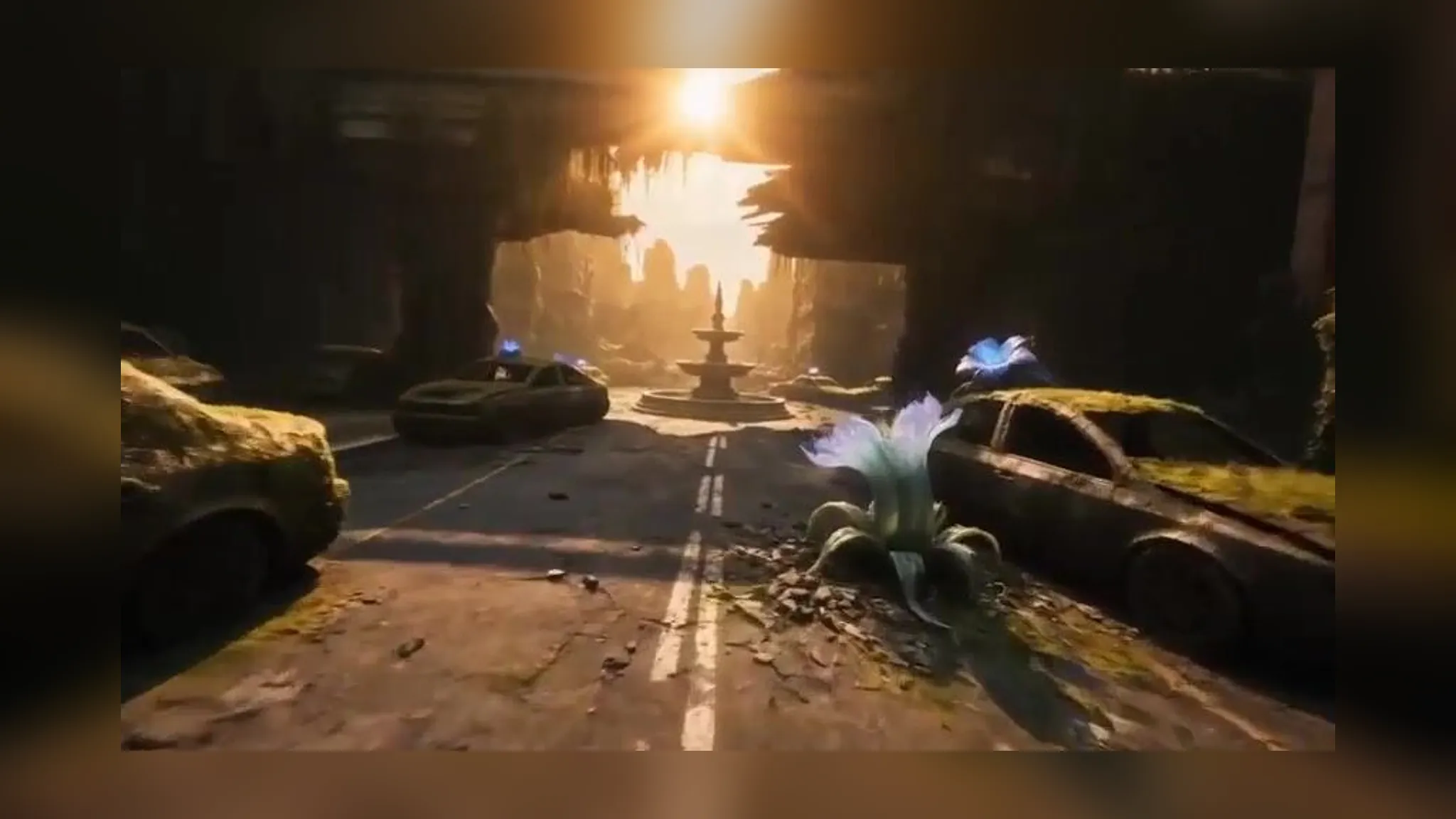
OpenAI published a case study on October 13 about how AI video and image creation platform Higgsfield adopted GPT-6 Astra. According to OpenAI, videos made on Higgsfield topped out at around one minute before GPT-6 Astra, but users now create videos longer than 10 minutes. With the model, Higgsfield extended AI video length to over 10 minutes. Alex Mashrabov, CEO and co-founder of Higgsfield, said: "What's most important for us at Higgsfield is to see that smaller creative teams can actually be more successful now with the power of models like GPT-6 Astra and GPT-Image-2.5."
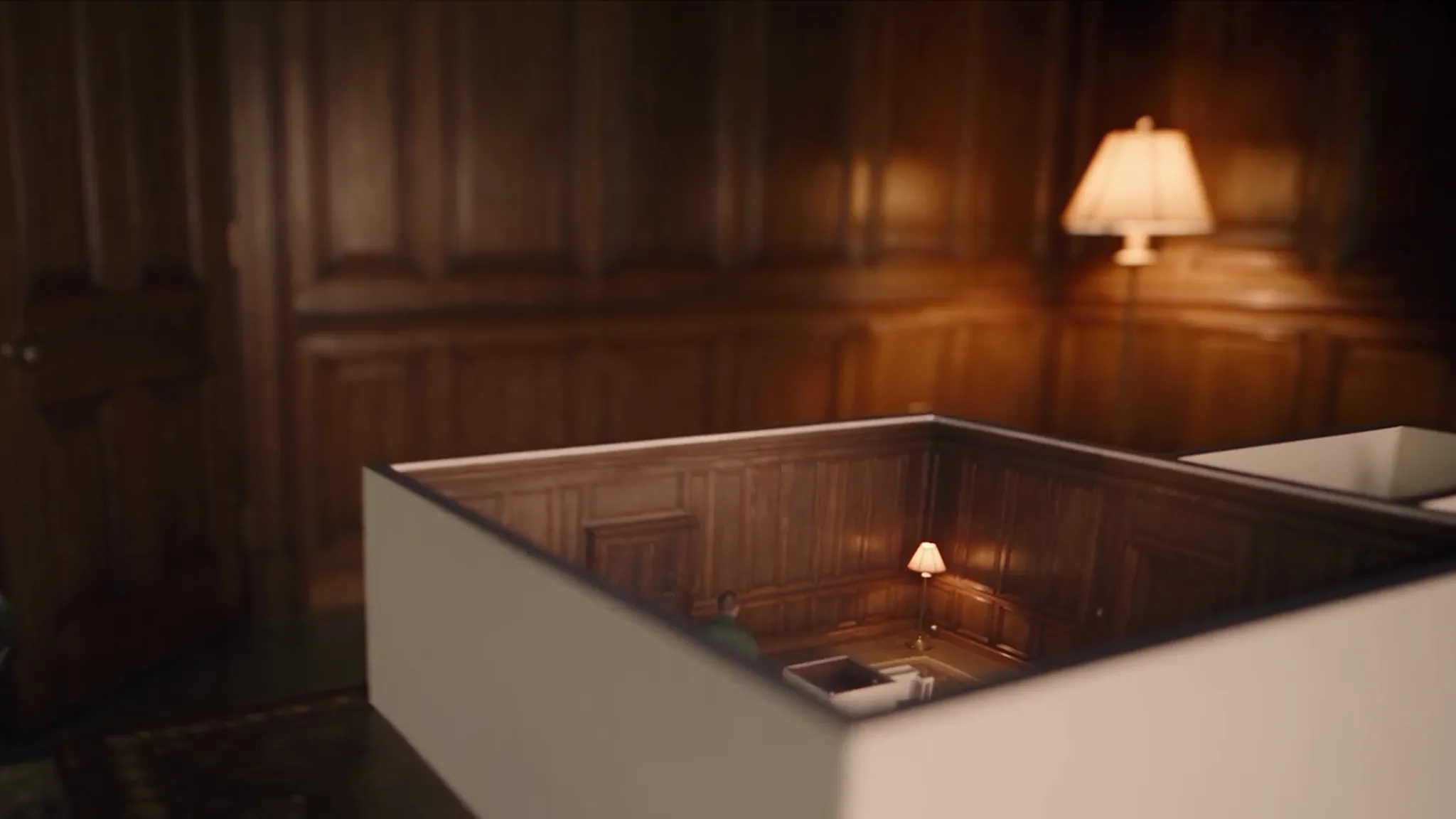
The key to longer videos is tool calling. Higgsfield's creative agents take on repetitive production tasks, such as creating multiple variations of a shot. With GPT-6 Astra, those agents can also call external tools to handle complex, manual work in 3D modeling. Mashrabov explained that this capability helps address one of creative AI's hardest problems: maintaining consistency across longer videos.
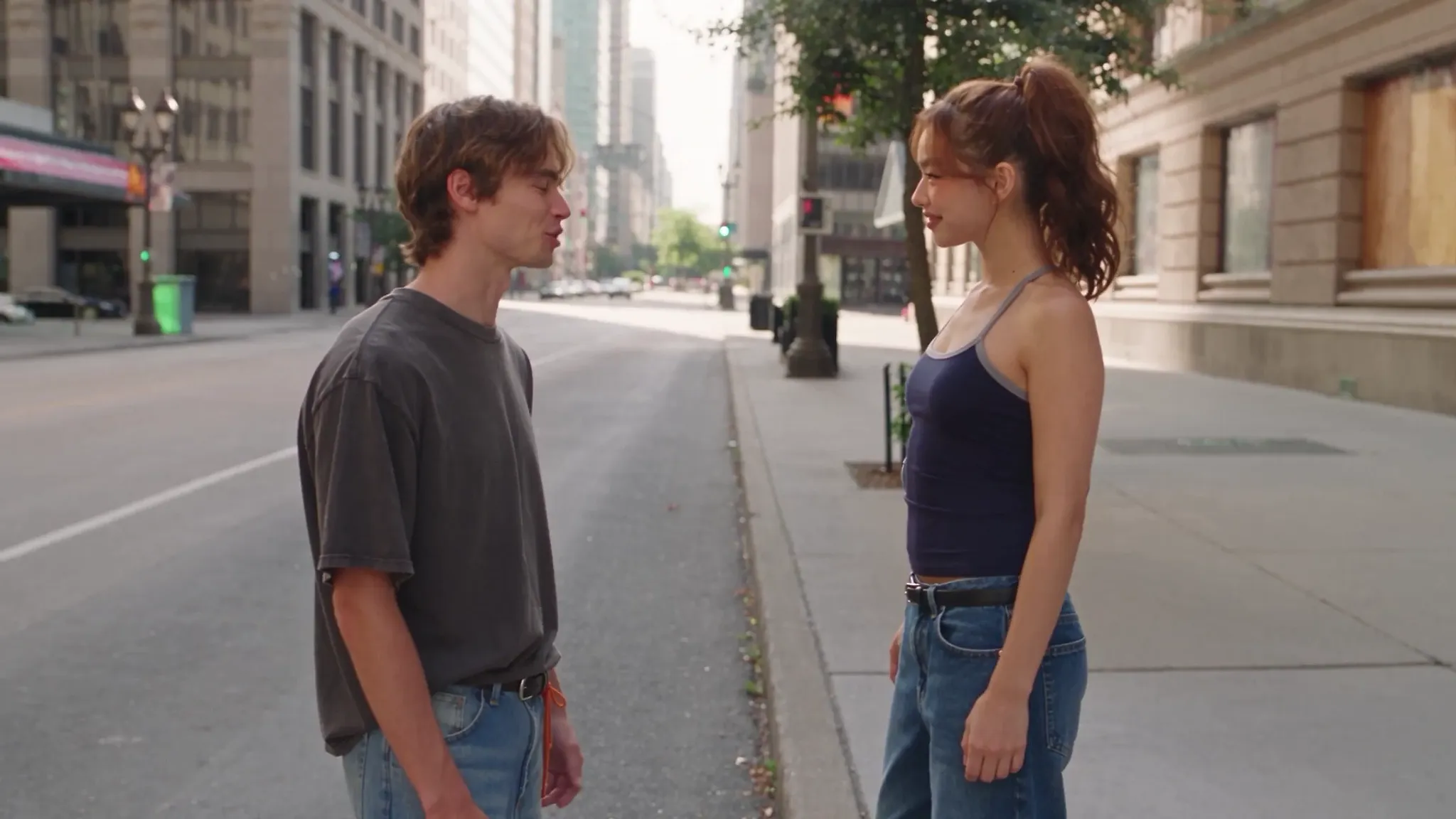
The results can be seen on Higgsfield's own YouTube channel. According to Mashrabov, the channel, which teaches creators how to use AI models and workflows, has almost half a million subscribers. Producing that educational content used to take considerable manual effort, but the team built a workflow with GPT-6 Astra in which AI generates instructional videos longer than 10 minutes. Mashrabov supports rural schools in Kazakhstan and also described an early effort to use GPT-6 Astra's visual understanding to identify topics students are struggling with and create videos tailored to them.
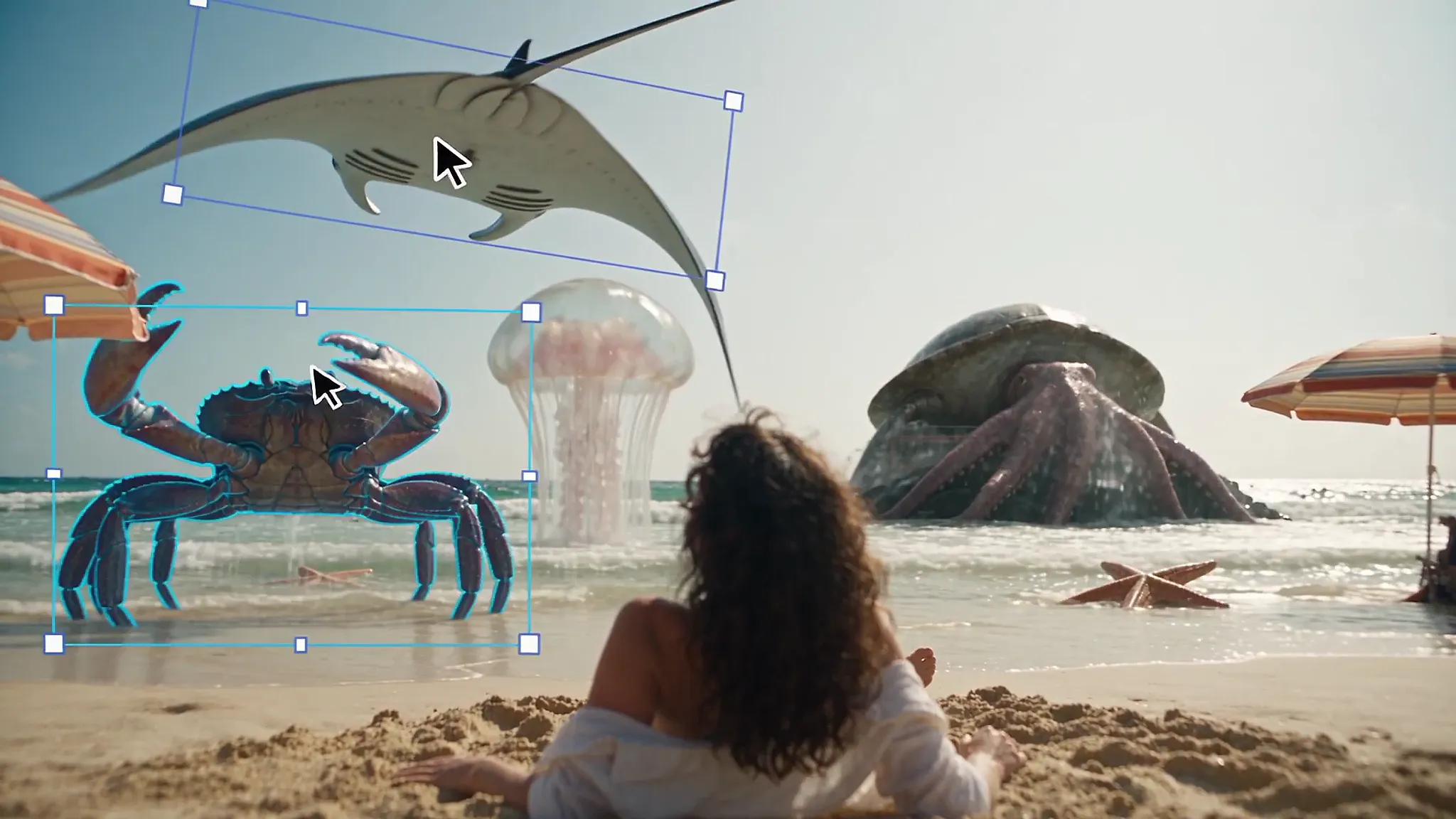
For images, text is what matters. In promotional material for small businesses, readable text and precise infographics matter as much as the image itself, and Mashrabov said businesses without large production budgets can now produce that kind of content with GPT-Image-2.5. "GPT-Image-2.5 is state of the art and the first model of its kind that can reliably render the text and infographics on top of the imagery," he said. He added that models like these now let a single creator execute a high-end fashion campaign from start to finish.
The way the company works internally has changed too. Higgsfield builds its product through close collaboration between around 200 creatives and 100 engineers. The creative team uses Codex to turn ideas into software prototypes. Mashrabov said Codex gives the creative team "the power of a really strong software engineer." Bringing prototypes into production used to require heavy involvement from front-end and back-end engineers, but he said "GPT-6 Astra can ship production-ready code, which was never possible before." With less friction between prototype and product, the company says it ships better products faster.
METAL has reported that Higgsfield's annualized revenue passed $1 billion. This case study shows which models the company is using to widen the scope of what it can produce. The products OpenAI lists for Higgsfield on the case study page are the API and Codex, and the company is classified as a North American startup in media, entertainment and sport.
The next goal is voice. Higgsfield envisions creators describing an idea out loud while the scene is rendered in real time, which Mashrabov calls voice to movie. He sees OpenAI's advances in planning, tool calling, image generation and voice bringing that experience closer, and described OpenAI's voice model as "best in class for voice understanding and just for regular communication." In the case study video, which METAL reviewed, Mashrabov said new models are making the barriers between imagination and creative vision go away.
The filmmaking Higgsfield envisions is closer to describing an idea, with AI handling more of the work in between. Video length that grew from one minute to ten, and an organization in which 200 creatives ship code themselves, show that the limit on production scale is moving from team headcount to how models are put to work.

Comments