Anthropic merges Claude Cowork and chat into one Claude
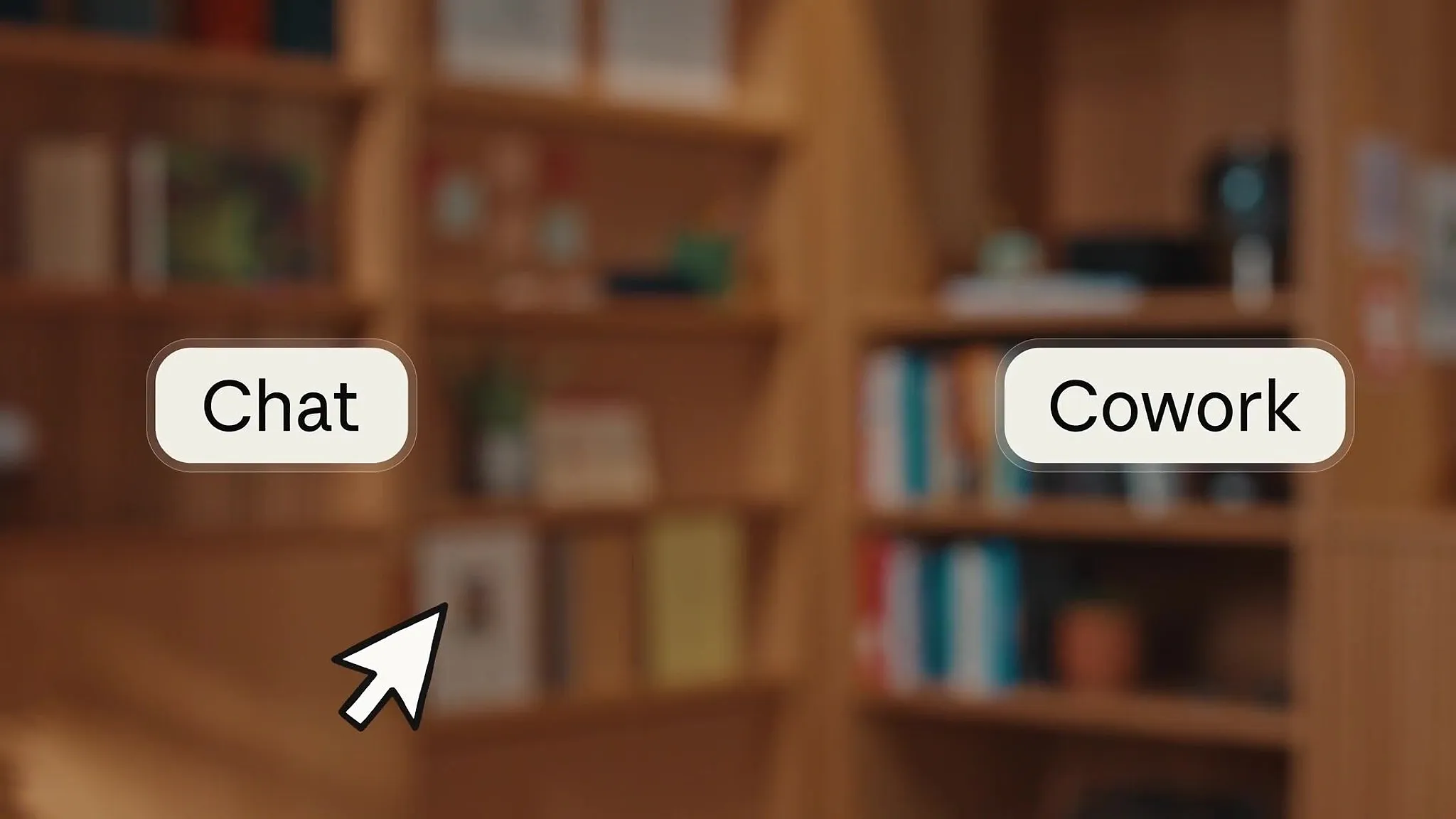
On September 16 Anthropic folded Claude Cowork and chat into a single conversation and launched Claude Docs and Claude Slides. Deciding where a task belongs is now Claude's call, not yours.
30
Google's AI research organization that builds Gemini. AlphaGo and AlphaFold also came out of here. In August 2026, Google released Gemini 3.7 Flash, a coding-focused model, surpassing Anthropic's Claude on benchmarks. That same month, Gemini 3.7 Flash was updated again to a version that raised its intelligence score while cutting response time. Pixel Watch 5 will feature an offline-capable version of Gemini, with its price rising by $50. In August 2026, Demis Hassabis stepped down from Google DeepMind and Jeff Dean also left the company after 27 years, sending Alphabet's stock down 4%.
Current rank (1M)
3
Rank over the last 30 days
2026.08.20 – 2026.09.18 · High 3 · Low 5 · Now 3
On September 16 Anthropic folded Claude Cowork and chat into a single conversation and launched Claude Docs and Claude Slides. Deciding where a task belongs is now Claude's call, not yours.
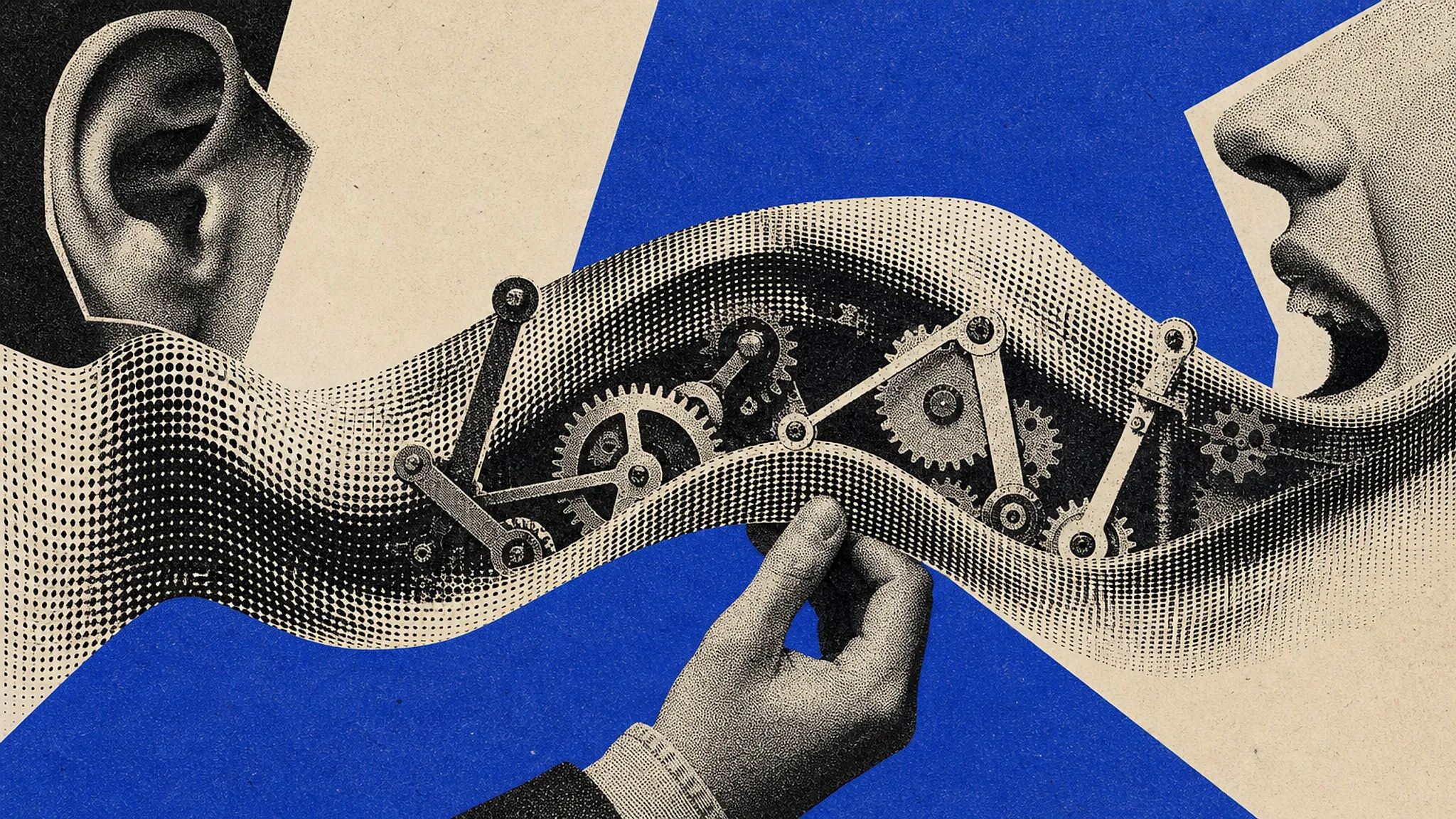
Google published an overview of two decades of language AI research on September 15 under the name of SVP James Manyika, covering technology that now reaches 300 languages and 7 billion people. Its backbone is models that process audio directly instead of translating text, and language data recorded by the communities themselves.
Google Research on September 15 published Retrieve-for-Train, a framework that returns search results as one coherent set, alongside its ICML 2026 paper. Running reinforcement learning once to teach a small diffusion model made query fan-out 12 to 20 times faster.
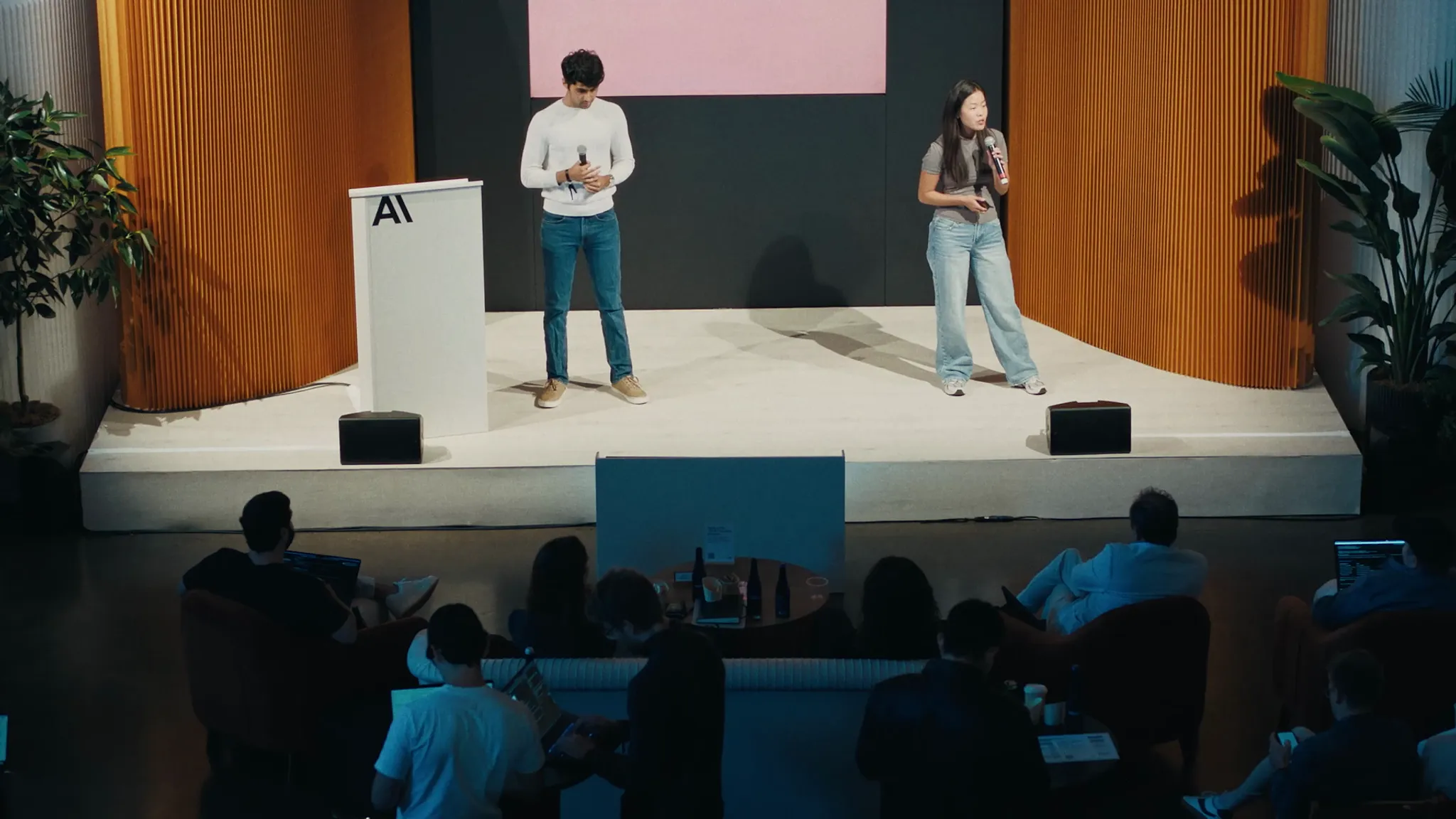
Anthropic's developer account posted a 2-minute-7-second founder interview video shot at Frontier Day in San Francisco on September 16. Four companies, Spawn, Hex, Sazabi and Phylo, describe what building a company on Claude looks like right now.
Google published a 26-page crisis resilience white paper on September 15 under the names of Yossi Matias, vice president of Google Research, and Kate Brandt, chief sustainability officer. It gathers the company's AI disaster-prediction work in one volume, from flood forecasts seven days out and cyclone forecasts 15 days out to cases where warnings turned into cash assistance and paused loan repayments.
Google released Gemini 3.8 Live and Gemini 3.8 Live Extended Thinking on September 15. The two voice models run tools in the background mid-conversation and reason while they speak, and Extended Thinking took first place on the Speech to Speech Quality Index with a score of 82.6.
Meta opened Meta One, a subscription service bundling Instagram, Facebook, WhatsApp, and Meta AI, worldwide on September 15. The individual bundles raise AI image and video generation limits, while the creator and business tiers sell follow buttons and a business agent for a monthly fee.
Bilal Chughtai, who worked on AGI safety and alignment research at Google DeepMind, warned of AI risk in a resignation post published on X and LinkedIn on September 14. He wrote that AI has the potential to kill us all, called for coordination and transparency to end the race between companies, and the post was read 560,000 times within a day.
The Tencent Hunyuan team released the EvolveScaler paper and project page on September 15, an information-evolution data framework. On data built by defining state in code first and then rendering it as natural language, the median avg@5 across 14 models fell to 11.3 on the longest tier.
Parse 5, the document-parsing vision language model Cohere released on August 27, scores 79.2 on ParseBench, below GPT-5.5 and Opus 4.8. The company published that table itself and led instead with throughput and cost: 2,160 pages a minute on eight H100s.
Google DeepMind used an X thread on September 14 to present WeatherNext 3 for the power industry. The model forecasts wind speed at 100-meter turbine height, solar radiation and cloud cover every hour so wind and solar producers can estimate output and match it to grid demand.
Japanese startup MW showed off MW bot, a housekeeping robot that moves along ceiling rails, for the first time on September 10 in Tokyo's Toyosu district. Rather than building a humanoid, the company is redesigning the house itself around the robot — though the day's demo was remote-controlled by a human, not run by AI.