


Summary
- According to a case study OpenAI published on October 8, generative video platform Pollo AI has more than 26 million users, and 30% of creator sessions start from templates or trending formats.
- Pollo AI uses GPT-5.6 for request routing, GPT-6 Astra for planning narratives and scene revisions, and GPT-Image-2.5 for image generation, and says users spend more than 50% less time choosing or switching models.
- The study also features a roughly 15-second fragrance ad made from a single photo, a jewelry campaign image with a cheetah, and a peach soda placed in a miniature landscape.
OpenAI on October 8 published a case study on Pollo AI, a generative video platform. According to OpenAI, Pollo AI combines GPT-5.6, GPT-6 Astra and GPT-Image-2.5 to run a service that turns users' rough ideas into images and video ads, and it has more than 26 million users. The company's latest offering, Pollo Agent, wraps the entire video creation process into a guided workflow. Pollo AI said users now spend more than 50% less time choosing or switching models.
Pollo AI was founded on the premise that people should be able to turn ideas into finished images and videos without production expertise. OpenAI noted that even with generative AI, creators and marketers can get lost among different tools, stall on choosing a model and sometimes abandon their projects. "We want to do for video what Canva did for design," said Bill Zhu, Pollo AI's founder and chief executive officer (CEO). "We want to make it easy enough that more people can actually use it, not just the ones who already know how." The company is classified as an Asia-Pacific startup and uses OpenAI models through the API.
The first breakthrough was video templates. According to OpenAI, 30% of Pollo AI creator sessions now start from templates or trending-format workflows. Built on top of that, Pollo Agent interprets a user's rough ideas and visual references to develop storylines, scene flows and scripts. Peter Zhou, Pollo AI's chief technology officer (CTO), said OpenAI models stood out for understanding ambiguous creative inputs and for their multimodal capability, adding, "GPT-5.6 performed especially well there." The team also praised the stability and release cadence of the OpenAI API.
Model assignments follow cost and speed. Pollo AI uses GPT-5.6 for routing, deciding where each request should go, and GPT-6 Astra for harder work such as developing a narrative or planning scene revisions. The structure matches the level of reasoning to the difficulty of the task based on the user's prompt. Image generation is handled by GPT-Image-2.5. The company said it chose it after testing generative models against real user prompts and workflows and weighing output quality, consistency, stylistic range, speed and cost. "If we receive any task from a user to generate an image, we always use GPT-Image-2.5," Zhou said. "It's especially good at working with different types of characters and letters."
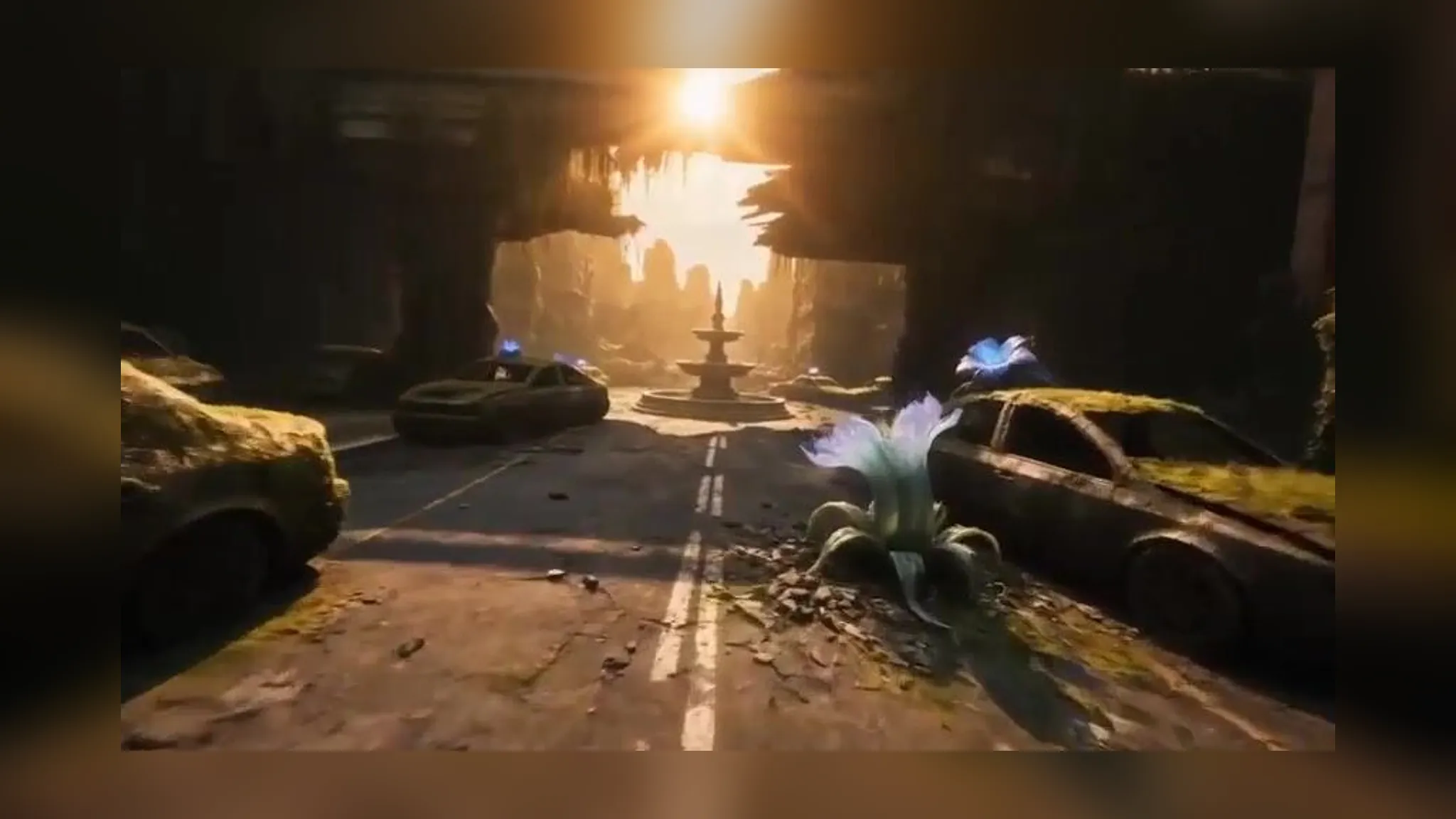
The 15-second video on the page, which Metal reviewed, is a post-apocalyptic adventure made by a Pollo AI user with Pollo Agent. The silent footage moves in first person, led by a gloved hand, through an abandoned train car overgrown with moss and vines, and looks out the window at a street lined with yellow wrecked cars. It then ends on a sunlit ruined intersection with a fountain and a blue flower blooming through a crack in the road.
Pollo AI's primary users are content creators, and the platform is especially popular for micro dramas featuring both AI and human actors. Recently, more marketers and business owners have joined. The Photo to Video Ads tool in the Marketing Studio suite turns a single still image and a prompt into a short video. OpenAI said it is designed to help small businesses and DTC brands make social media product ads in minutes rather than days. One user made a roughly 15-second ad from a single fragrance product photo. The still photo alone could not convey a luxurious mood, and a professional video shoot was beyond the budget. The tool stitched together velvet textures, warm spotlights and close-ups of the bottle, and ended the ad with the bottle framed against deep red fabric.
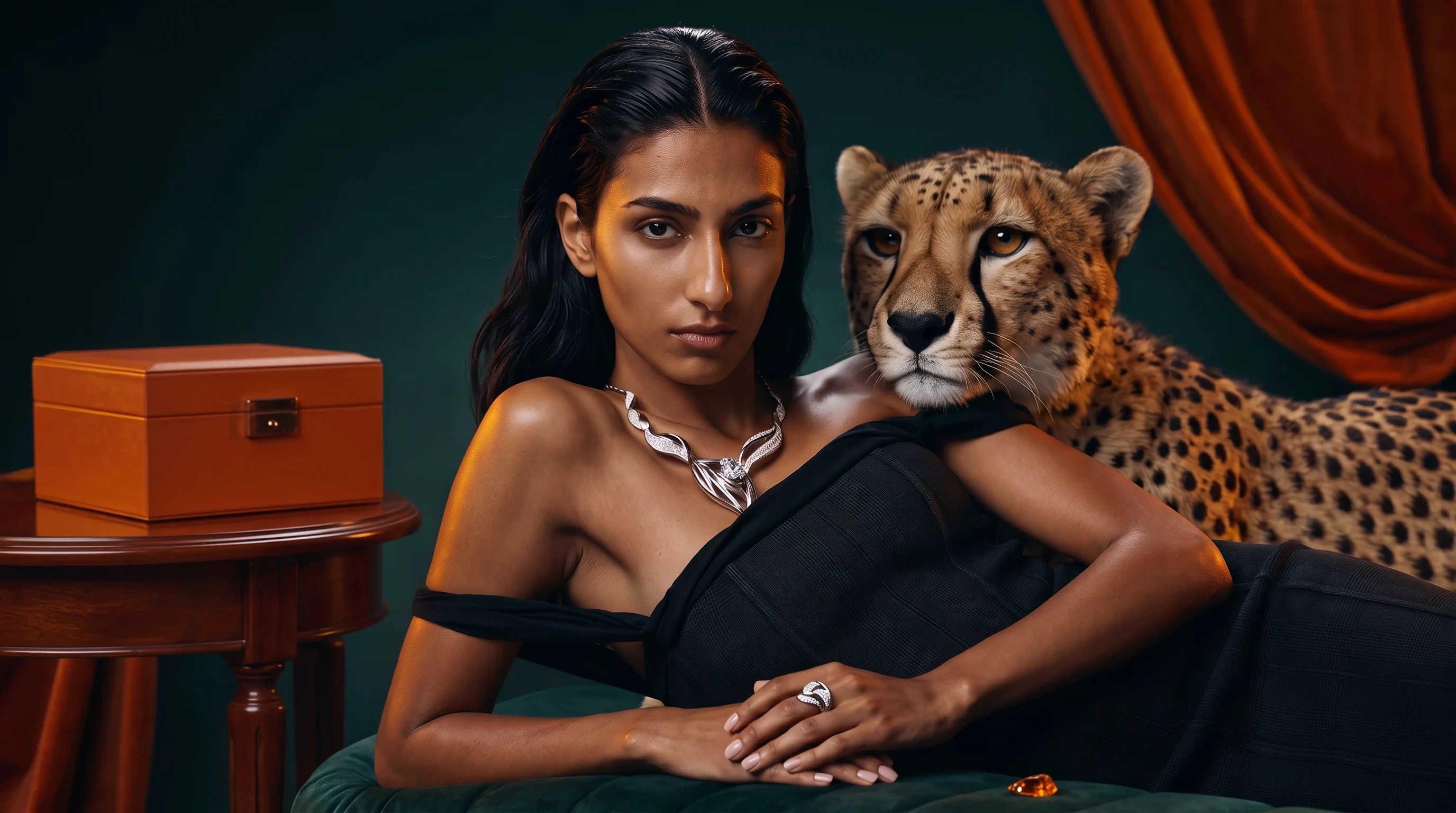
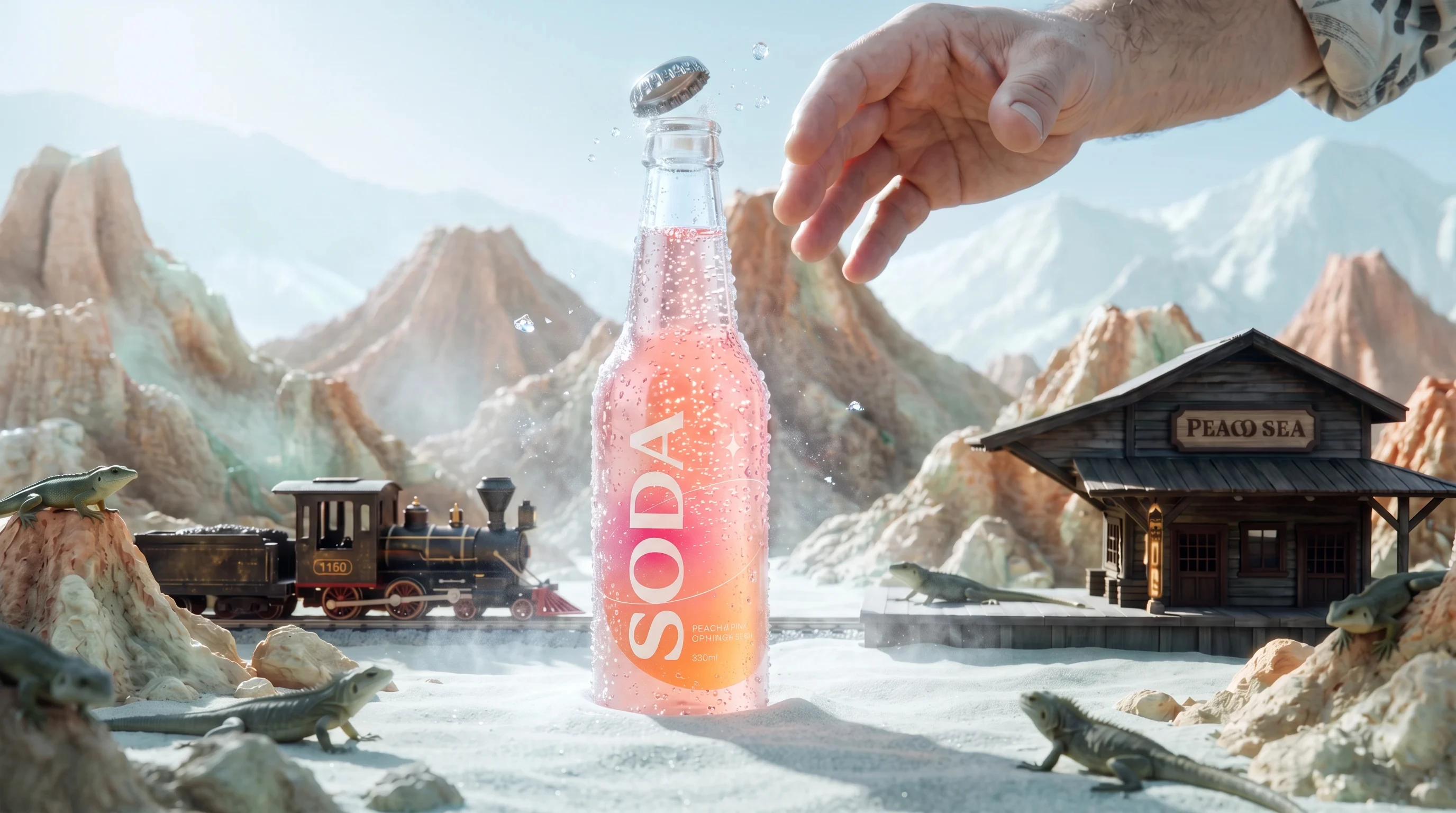
Two image examples were also included. A jewelry brand without the budget for a high-concept studio shoot used Pollo Agent and GPT-Image-2.5 to create a campaign image of a model wearing its statement jewelry, seated beside a cheetah. Dark drapery and warm lighting framed the scene, and the products were placed to stay highly visible. OpenAI said this took less production effort, time and cost than a live shoot. A beverage brand turned a single photo of a peach soda bottle into a snowy miniature landscape with a train, lizards and sparkling droplets for a campaign image.
Metal previously reported on OpenAI's invideo GPT-6 Astra color grading case study, and also covered Higgsfield's Astra adoption case study. This case likewise shows how a video generation startup divides OpenAI models inside its product. OpenAI also attached a 5-minute-17-second audio narration to the case study page.
Pollo AI wants AI video to become part of everyday content creation over the next 12 months. "We think the AI shift in content creation will favor products that make creation more repeatable from the start, with stronger formats, less trial and error, and a simpler workflow around the models themselves," Zhu said. From a journalist's perspective, the weight of this case lies less in model performance than in who carries the burden of choice. Most of the 26 million users pick templates and agents without knowing which model is running, and the company's routing makes the model decision for them.

Comments