


Image: METAL
Summary
- President Trump is set to host Anthropic CEO Dario Amodei for a private dinner at the White House on the evening of September 27, the first one-on-one meeting between the two.
- Amodei missed the September 24 state dinner for Xi Jinping because of a scheduling conflict, and Trump invited him separately. The dinner follows Amodei's slowdown proposal earlier this month, which drew Trump's ire.
- Commerce Secretary Howard Lutnick has said he trusts Anthropic, but a federal appeals court upheld the Pentagon's supply-chain-risk designation on September 25.
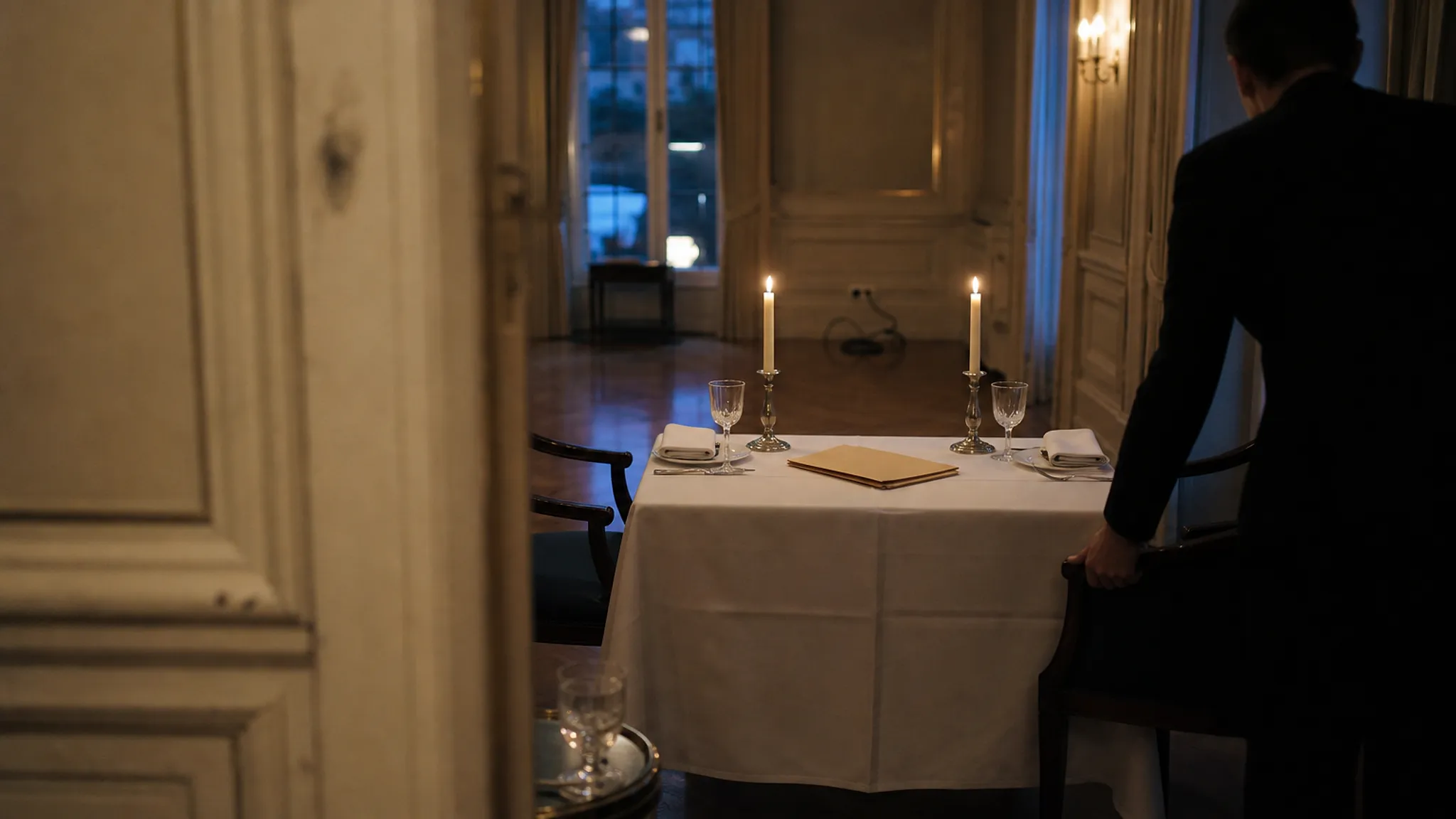
US President Donald Trump is set to host Anthropic CEO Dario Amodei for a private dinner at the White House on the evening of Sunday, September 27. According to reports, it will be the first time the two have sat down one-on-one. The dinner was first revealed in an exclusive report that same day and was confirmed by other outlets through their own reporting. For Anthropic, which has clashed with the administration over the past year, it is being read as a chance to ease tensions.
The dinner grew out of an event three days earlier. On Thursday, September 24, President Trump held a state dinner for Chinese President Xi Jinping, attended by OpenAI CEO Sam Altman, SpaceX CEO Elon Musk, Nvidia CEO Jensen Huang and Meta CEO Mark Zuckerberg. Amodei was not there. According to a person familiar with the details, Amodei had a scheduling conflict, so President Trump invited him to a separate private dinner.
The White House said little about the dinner itself. A White House official said in a statement, "President Trump has been clear: America will lead the world in Super Intelligence, while protecting American consumers," adding, "We will drive innovation, strengthen American competitiveness, and ensure this transformative technology works for the American people."
The rift between the two men deepened this month. Amodei urged the AI industry to slow the pace of advanced model development and better prepare for its risks, laying out a three-step proposal and calling for more government oversight. Industry figures such as Altman and Musk backed him, but President Trump pushed back. He wrote on Truth Social that "the only control or 'guardrails' that AI needs is a STRONG AND SMART" president, and said his administration had stopped AI "people" like "Dario" from doing bad things. METAL previously reported on Amodei's essay calling for a slower pace and on the Trump camp's rejection of that call. According to reports, Amodei supported Kamala Harris in the 2024 presidential election and has been a vocal critic of Trump.
That does not mean the whole administration has turned its back. Commerce Secretary Howard Lutnick, who temporarily imposed export controls on two of Anthropic's most advanced models in June, said earlier this month that Anthropic is "back on the right side." Lutnick held a fireside chat with Anthropic co-founder Tom Brown at the G20 Innovation Ministerial in North Carolina and said on the sidelines of the event, "We trust Anthropic." Brown, the company's chief compute officer, has served as its main point of contact with the administration in recent months and, according to reports, led the export-control negotiations with the Commerce Department in Amodei's place. That same day, White House Office of Science and Technology Policy Director Michael Kratsios said the administration was "in a good cadence" with Anthropic and that the company was actively sharing models with the government under the president's voluntary AI executive order.
The obstacle is the Department of Defense. Talks between the two sides broke down in February over how the military could use Anthropic's models. The Pentagon wanted unfettered access for all lawful purposes, while Anthropic wanted assurance that its technology would not be used for fully autonomous weapons or domestic mass surveillance. After the talks collapsed, the Pentagon designated Anthropic a supply chain risk. The designation bars the US military from using Anthropic's models and blocks defense contractors from using them in their work for the department.
The legal fight has also gone against the company. Anthropic sued the administration to reverse the designation, but on Friday, September 25, a federal appeals court panel in Washington, DC, upheld the Pentagon's action. The company can petition for a rehearing or ask the Supreme Court to take the case. METAL previously reported on the appeals court ruling. Emil Michael, the Pentagon's technology chief, wrote on X the day of the ruling that "the hammer of justice has smashed" Anthropic's arguments, and Defense Secretary Pete Hegseth wrote on X the same day that Anthropic's status as a supply chain risk was "confirmed."
Pressure continued right up to the dinner. According to a follow-up report, Amodei's opponents are circulating a highly negative briefing document about him to the White House ahead of the meeting. Anthropic is widely expected to be preparing a closely watched IPO, so its relationship with the president is tied to its business timeline as well.
Seen through the eyes of a tech lawyer, the dinner marks the point where the legal track and the executive track have split. The supply-chain-risk designation has been upheld once by an appeals court, and the remaining judicial paths are a rehearing and the Supreme Court. Meanwhile, the Commerce Department and the science and technology office are publicly talking about trust and cooperation. Goodwill in one agency cannot immediately undo an exclusion that another agency has locked in through the courts. What a first face-to-face meeting with the president can change is not the ruling but the administration's political judgment on whether to keep or revisit the designation. Whether the Pentagon's tone shifts after the dinner will be the first signal for reading this relationship.


Comments