


Summary
- On September 25, OpenAI published a case study on how fleet management software startup Proaction uses Codex, highlighting 40 to 60 engineering hours saved a month and a 60% increase in sales.
- Co-founder and COO Colin Knudsen builds four to six custom demos a month himself from call recordings, emails and spreadsheets, and estimates that the share of deals moving to the next stage has risen by 50% to 60%.
- Proaction is also building voice agents such as Marty, a maintenance-coordination agent, with GPT-Live-1 and GPT-6 Astra.
On September 25, OpenAI published a case study on how Proaction, a startup that makes fleet management software, uses Codex. The story centers on a co-founder who is not an engineer building customized demos for prospects directly in Codex, saving 40 to 60 hours of engineering time every month. OpenAI put three results up front: 40 to 60 engineering hours saved per month, 33 founder hours saved per month, and a 60% increase in sales.
Proaction is a North American startup that sells management software to businesses running large fleets of vehicles, from cars and trucks to construction machinery. Because every company operates its fleet differently, showing prospects how the platform fits their business is central to selling it. Customized demos, however, required engineering time, and the founders, who could not spare it, had to rely on conversations and slide decks to explain what was possible.
The person who cleared that bottleneck is Colin Knudsen, Proaction's co-founder and chief operating officer. "As a non-technical person, I used to have to loop engineers in if I wanted a demo," he said. "Now I do it myself in Codex." Knudsen said he builds four to six customized, interactive demos a month, each taking 30 to 45 minutes.
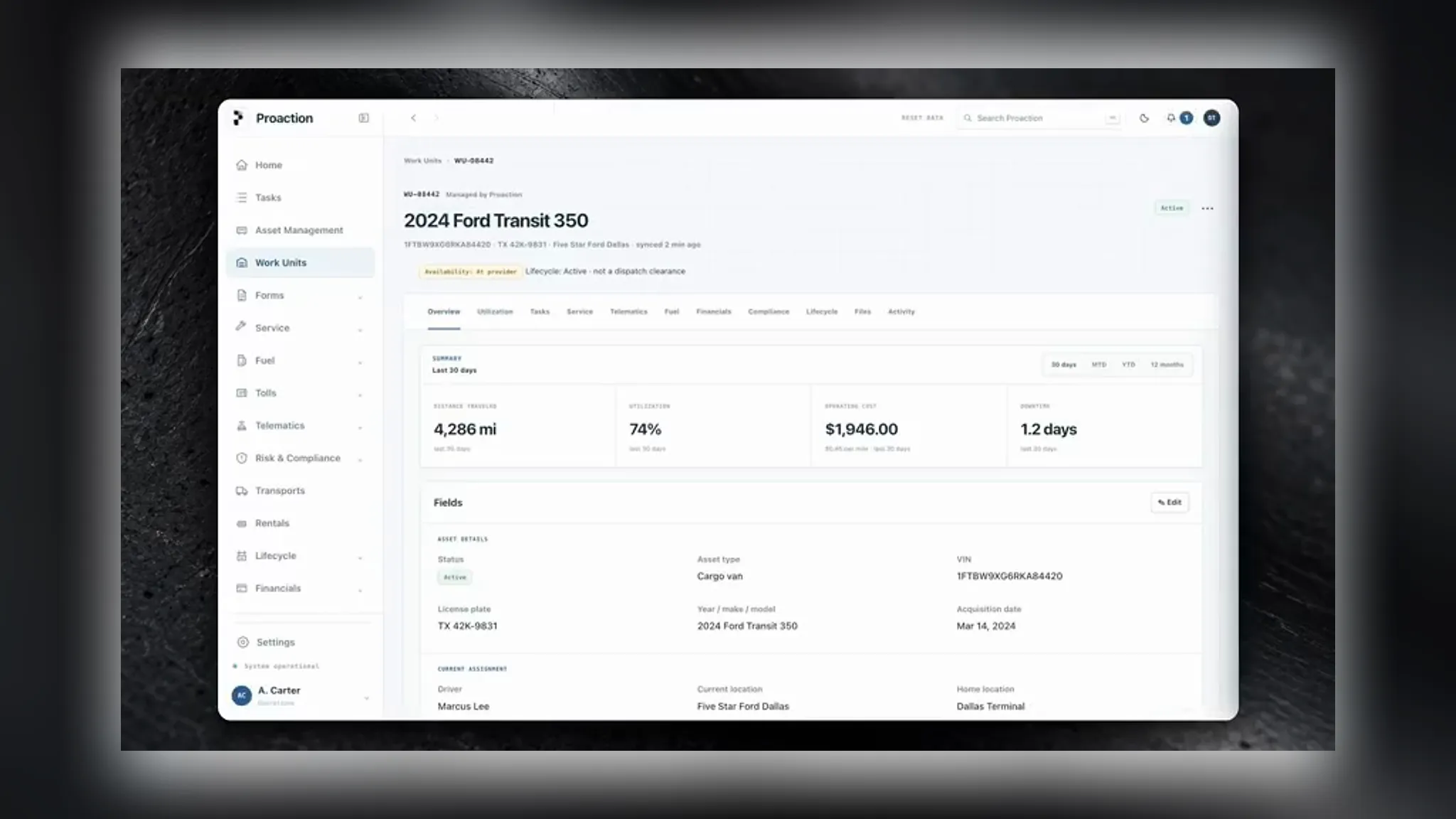
The workflow was described in detail. After a sales call, Knudsen points Codex to the recording in the meeting tool Granola, the email threads with the prospect, and any spreadsheets the prospect has shared. Codex reads that context and customizes an HTML demo environment that mirrors Proaction's product and the customer's own fleet. When he shares his screen, prospects see their own vehicles and equipment organized around the way they work.
The sales figures come in two layers. OpenAI's headline and results panel cite a 60% increase in sales, while the body explains that, by Knudsen's estimate, the share of deals moving from first contact into solution development rather than nurture has risen by 50% to 60% since the custom demos began. Knudsen calculates that an engineer would need about 10 hours to build a comparable demo, so four to six demos a month frees up 40 to 60 hours.
The demos keep working after the contract is signed. When a prospect becomes a customer, Knudsen hands the customized demo to engineers as a visual reference, and OpenAI reported that this has cut down on questions and back-and-forth about what to build. Proaction also used Codex to build a customer solution center, where prospects log in to explore workflows tailored to their business and review sales materials.
Knudsen's day spans sales, customer support and product management. Using Codex plugins for Granola, Gmail, Slack, Linear, GitHub and HubSpot, he brings customer context into one place, pulls call transcripts and email history to prepare follow-ups, creates Linear issues and updates HubSpot opportunities. He has also set up a scheduled automation that reviews recent calls and prepares sales updates for the team. "Everything that I do is centered around working in Codex," Knudsen said. "I don't leave it much." Handling 15 to 20 distinct tasks a day, he estimates that Codex saves him 25 to 33 hours a month.
Proaction is also putting OpenAI models inside its product. When customers attach photos to vehicle issue reports, ChatGPT-5.6 Sol helps identify the damage, and with the voice model GPT-Live-1 the company is building agents that take over day-to-day fleet operations work. The company calls this layer its Managed Execution Layer. Customers can hand tasks such as tolls or service to specialized agents, or set up workflows that put the right agent to work automatically.
The flagship example is Marty, an agent for coordinating vehicle maintenance. Marty is designed to talk with a driver about a problem, call repair shops, arrange service, and help get the estimate approved and paid. When the work needs human review or intervention, Proaction's team steps in. The agents use GPT-Live-1 and GPT-6 Astra to make voice calls, review documents and images, analyze text and respond in chat.
There is testimony on development speed too. "Astra's computer-use runs are more succinct," said Danny O'Halloran, Proaction's head of product. "With GPT-5.6 Sol, I had a much longer run to execute the same work." METAL has previously reported on OpenAI advising GPT-6 Astra users to trim their Codex instructions and on OpenAI's video of a surgeon using Codex.
The 20-second product video on the announcement page, which METAL reviewed, moves from Proaction's asset management screen to the detail page for a 2024 Ford Transit 350. It continues with a graph of that one vehicle's utilization over time and a graph of the vehicle's value over time; these are the kinds of screens Knudsen says he rebuilds for each customer.
Read with a journalist's eye, the case shows two things. First, every performance figure is the company's own estimate. The real meaning of the 60% headline number is the share of deals moving to the next stage, not sales revenue, and the time savings are calculated backward from how long engineers would have taken. Second, the core of the story is still clear. As work that took 10 hours per demo shrinks to 30 to 45 minutes, the co-founder responsible for sales can sketch the shape of the product first without an engineer, and that demo then becomes the blueprint for development. "I can't really imagine being a startup founder without Codex," Knudsen said. At a small company, the line between sales and product is blurring inside a single person's working window.


Comments