



Image: METAL
Summary
- At Meta Connect on September 24, Meta unveiled Horizon Create (a phone app) and Horizon Studio (a browser tool), which let AI build a mobile game from a written description.
- Published games become eligible for native distribution in Facebook, Instagram and Horizon feeds, where players can join a multiplayer session within seconds without installing an app. Reach is decided by fun and repeat play.
- Generated content passes through safety systems, pre-publish review and automated age ratings, and early access to both tools is opening gradually through a waitlist.
At Meta Connect on September 24, Meta unveiled two game creation tools, Horizon Create and Horizon Studio, that let AI build a mobile game from a written description. Horizon Create is a phone app, and Horizon Studio is a creation environment that runs in a web browser. According to Meta, both tools are built on the agentic creation capabilities of the Meta Horizon Engine and produce complete 2D and 3D mobile games with progression systems, balanced difficulty, art direction and multiplayer. They are currently being tested with the creator community, and early access is opening gradually through a waitlist.
The weight of the announcement rests less on how games are made than on how they spread. Games published with either tool become eligible for native distribution across Facebook, Instagram and Horizon. In its announcement, Meta explained that "someone scrolling through Instagram can tap a clip of your game and be in a multiplayer session within seconds, without needing to download an app or being redirected." In other words, the games run inside the feeds where people already discover content and connect with friends.
"If you have a great idea for a game, you should be able to build it and get it in front of players without spending months navigating tools, hardware, and marketing," said Saxs Persson, Meta's vice president of Horizon. "That's the future we're building." Meta named the barriers the two tools are meant to remove: traditional game development demands months of work, expensive hardware and specialized skills, and even after a game ships, creators struggle to find their first players.
Horizon Create is a standalone mobile app for the moment inspiration strikes. You type out an idea the way you would explain it to a friend, or pick a ready-made template, then adjust the art style, characters, story and progression by describing the changes. You can kick off a build, keep playing other games, and get a notification when it is ready to playtest, and you can run several projects at the same time. Whether you start from a blank canvas or a template, Meta said, the result is a complete 2D or 3D game ready to publish.
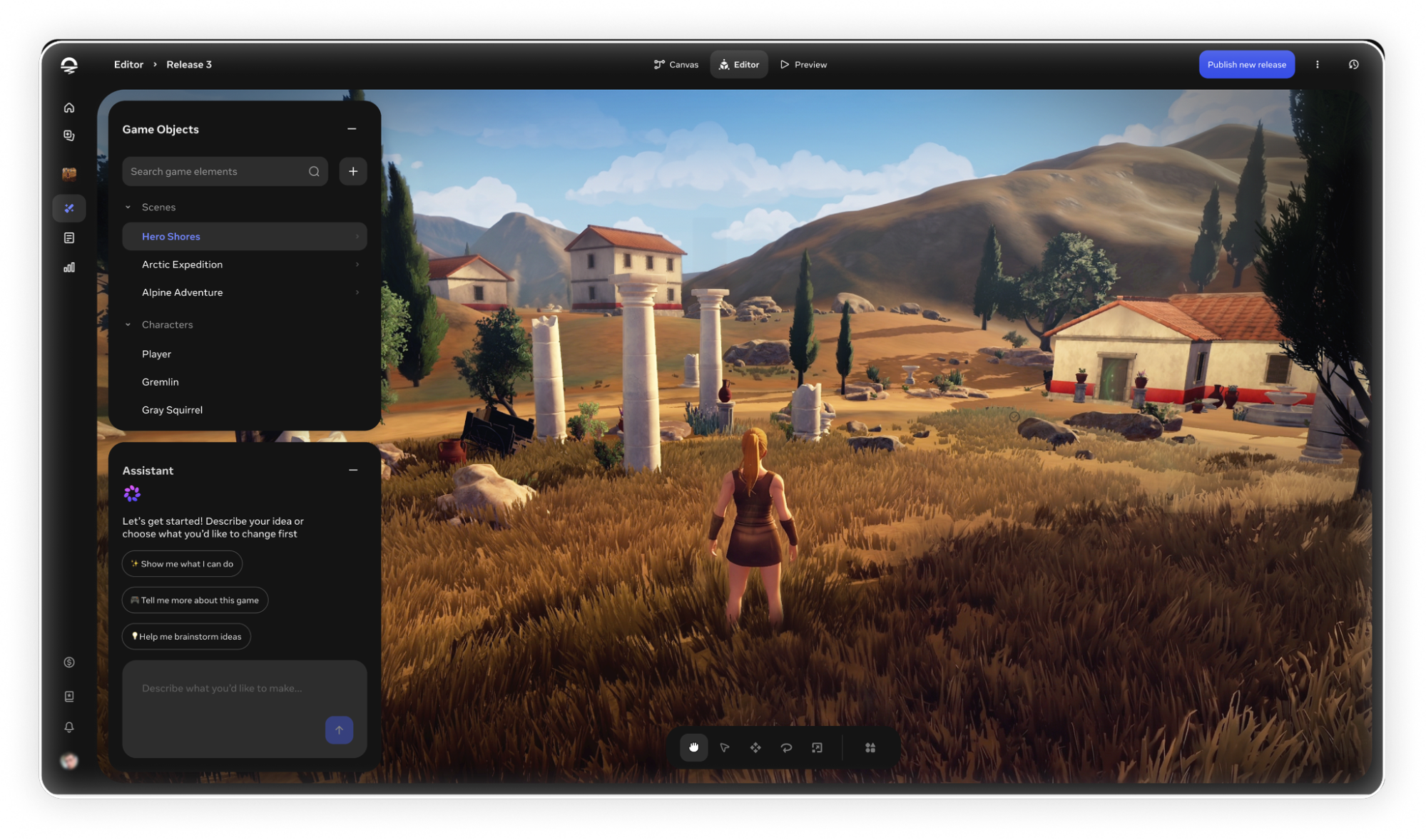
Horizon Studio is the browser environment for when you want finer control. There is nothing to install and no gaming PC required. It layers full visual editing on top of the same natural-language prompting, so you can arrange a scene directly, browse and swap individual assets, tune script parameters to change how things behave, and shape spatial layouts by hand. Through agentic creation with Meta AI, a single prompt can also restyle an entire scene, environment, character and lighting.
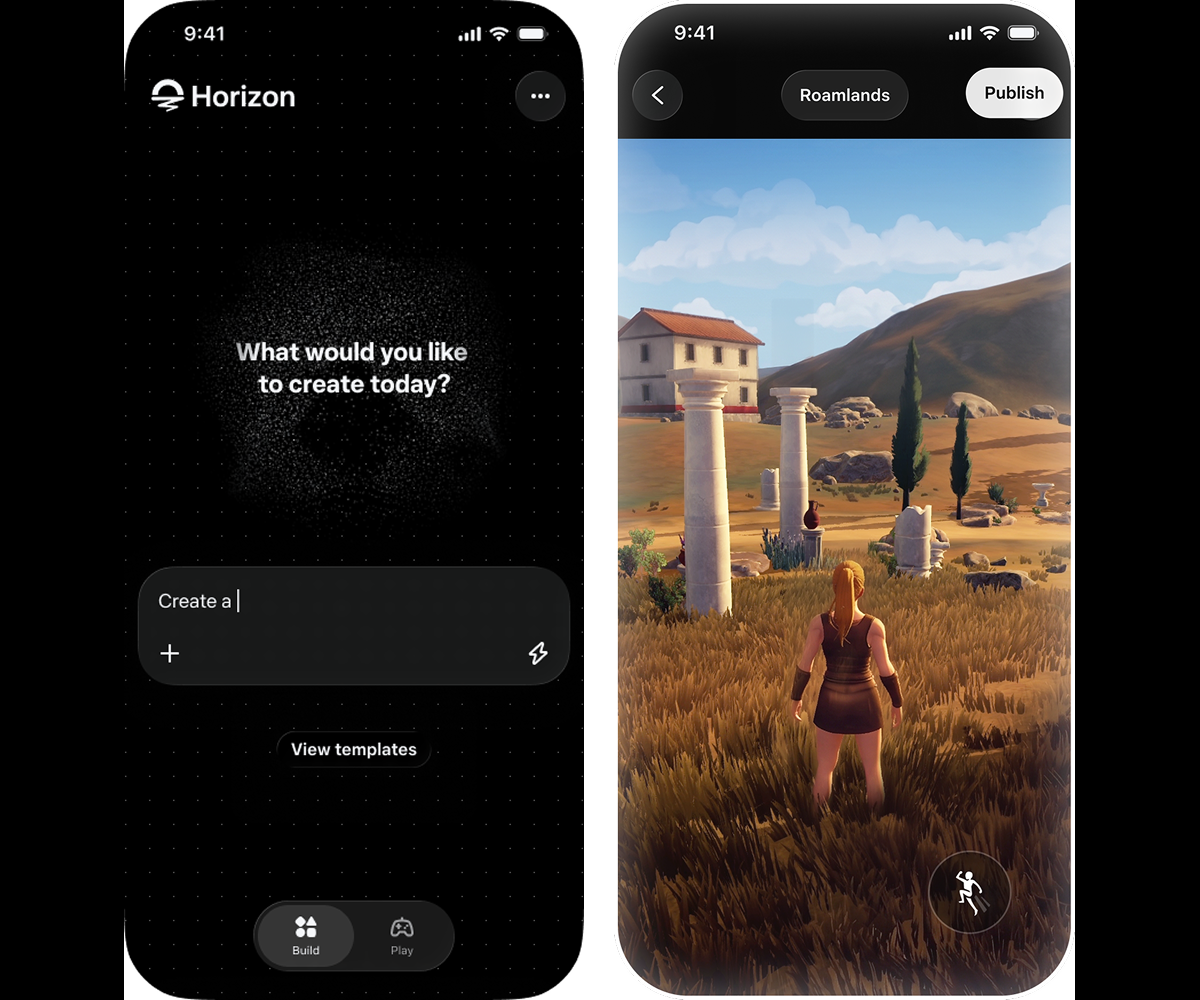
The two tools share a backend. Everything built in Horizon Create, including assets, systems and iteration history, carries over into Horizon Studio and vice versa, so moving from phone to web never means starting over. The product screens METAL reviewed on Meta's developer blog show the phone app's prompt box asking what you would like to create, its Build and Play tabs, and the browser editor's game object list alongside an assistant chat panel.
Meta also spelled out what decides visibility. It wrote that discovery for games built with the two tools is driven by one thing: fun. Games that are engaging, stable, culturally relevant and keep players coming back earn more reach, while those that do not are deprioritized and fade from discovery. Meta said revenue opportunities grow with reach through in-game monetization and the Meta Horizon Creator Fund, but it has not yet shared monetization details, saying they are coming soon.
The safety measures are inherited from the existing platforms. Every piece of generated content passes through Meta's content safety systems before it reaches players, and guardrails are built into the creation flow itself. Games are reviewed before publishing and distribution, and each receives an automated age rating and is gated into age-appropriate tiers before going live. Youth protections, including parental supervision through Family Center, carry over from Horizon's existing safety framework.
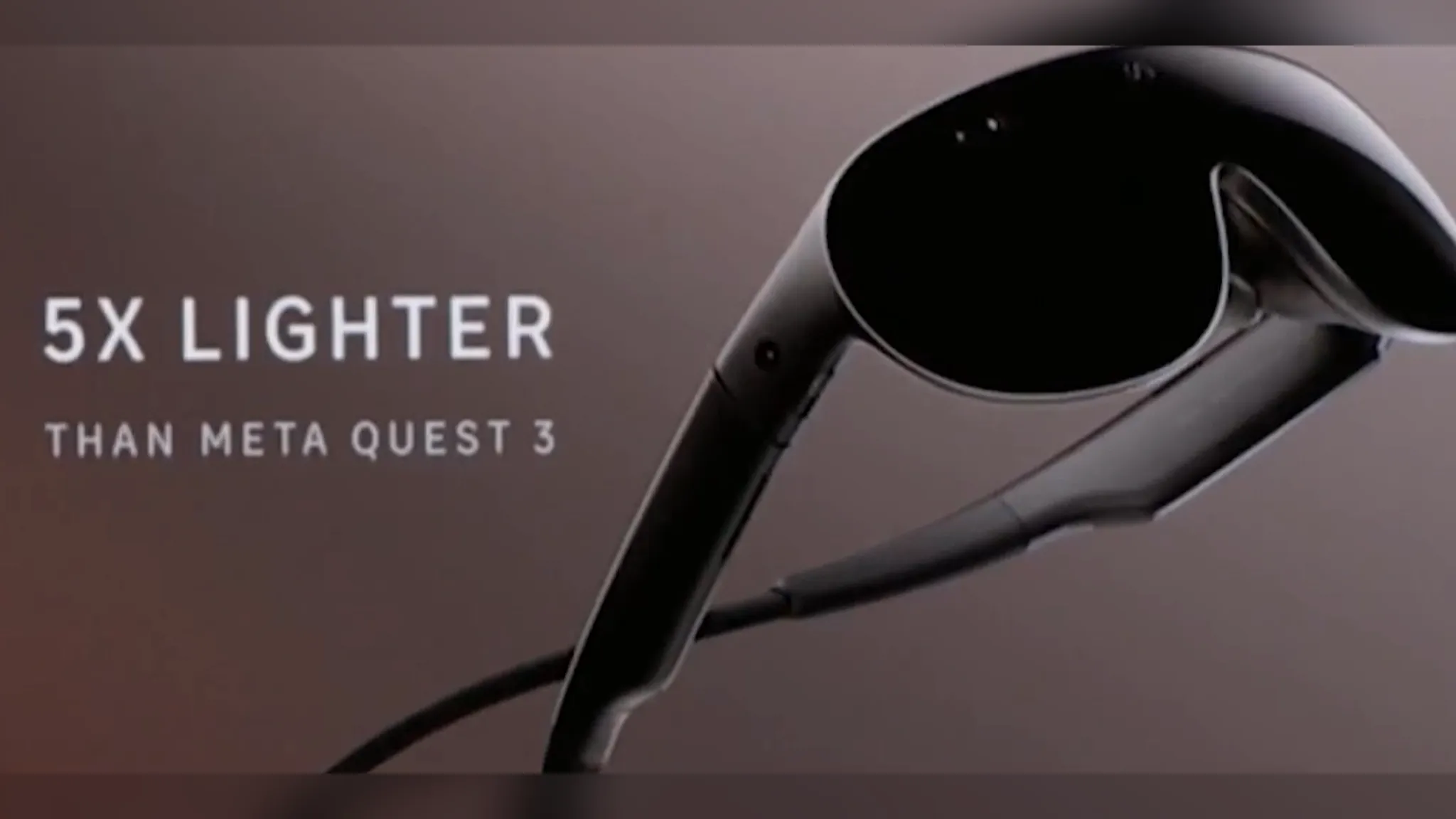
Behind the launch is a change of direction for Horizon. According to reports, Horizon, which began as a VR app, recently pivoted to focus primarily on mobile, and Meta has also been testing prompt-based game creation with Pocket, an AI app for generating, playing and sharing mini-games in natural language. Reports noted that Roblox, a similar and vastly more popular platform, is also pushing into AI-powered development, including a feature in its mobile app for generating games from a prompt, and that Unity is part of the same trend. METAL previously reported on Meta VR Glasses, unveiled at the same Meta Connect.
Seen through a sociologist's lens, the announcement changes where games sit before it changes who makes them. Until now, the fate of a small game was decided by store rankings and marketing budgets, but Meta is handing creators its feeds, where billions of people already spend time, as a distribution channel and has set fun as the recommendation standard that guards the gate. Once a few sentences written as if to a friend can become a game, the threshold for creation drops from technical skill to ideas, and what survives is decided by a recommendation system that measures engagement and return visits. In a game world where anyone can build, the new edge will not be coding ability but a feel for what makes people come back.



Comments