


Summary
- Kling AI published creator Seo Oki's Kling 4.0 test report as an article on its official X account on October 10.
- Seo Oki tested character consistency and transitions with a performance in a 1990s film-style bathroom, a link between three different images, and a kitten moving between live action and animation.
- Kling 4.0, announced on September 28, generates up to 30 seconds in one pass, supports 15 multimodal references and 10 keyframes, and the full model is due in October.
Video generation AI company Kling AI published creator Seo Oki's (oasis.seo) Kling 4.0 test report as an article on its official X account on October 10. In a test Kling AI itself commissioned, Seo Oki examined Omni Reference, style transitions and character consistency through three experiments. Her conclusion was that the color, characters and spatial texture set in a still image did not fall apart once carried into video. The article had been viewed 8,433 times by the day after publication.
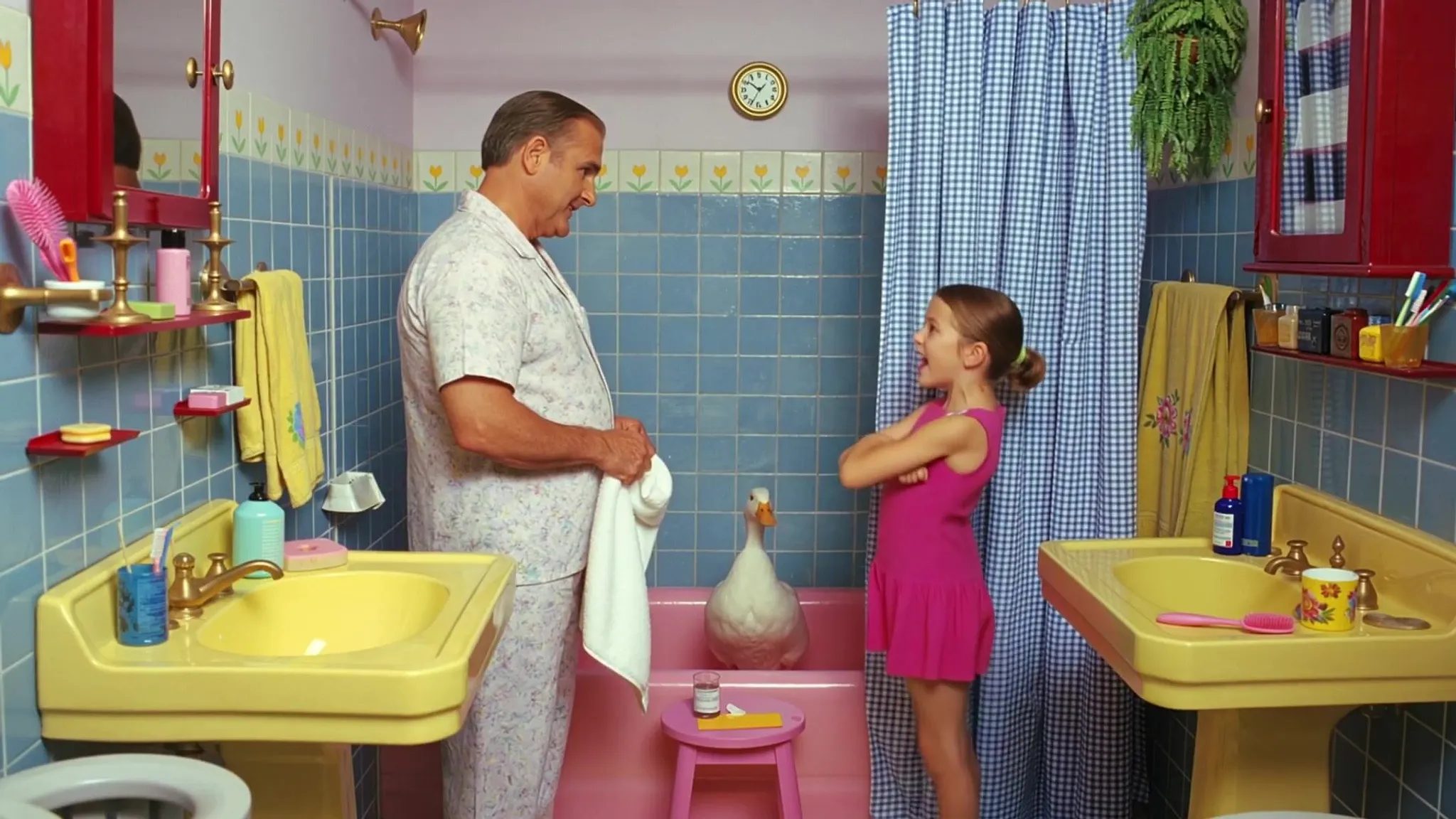
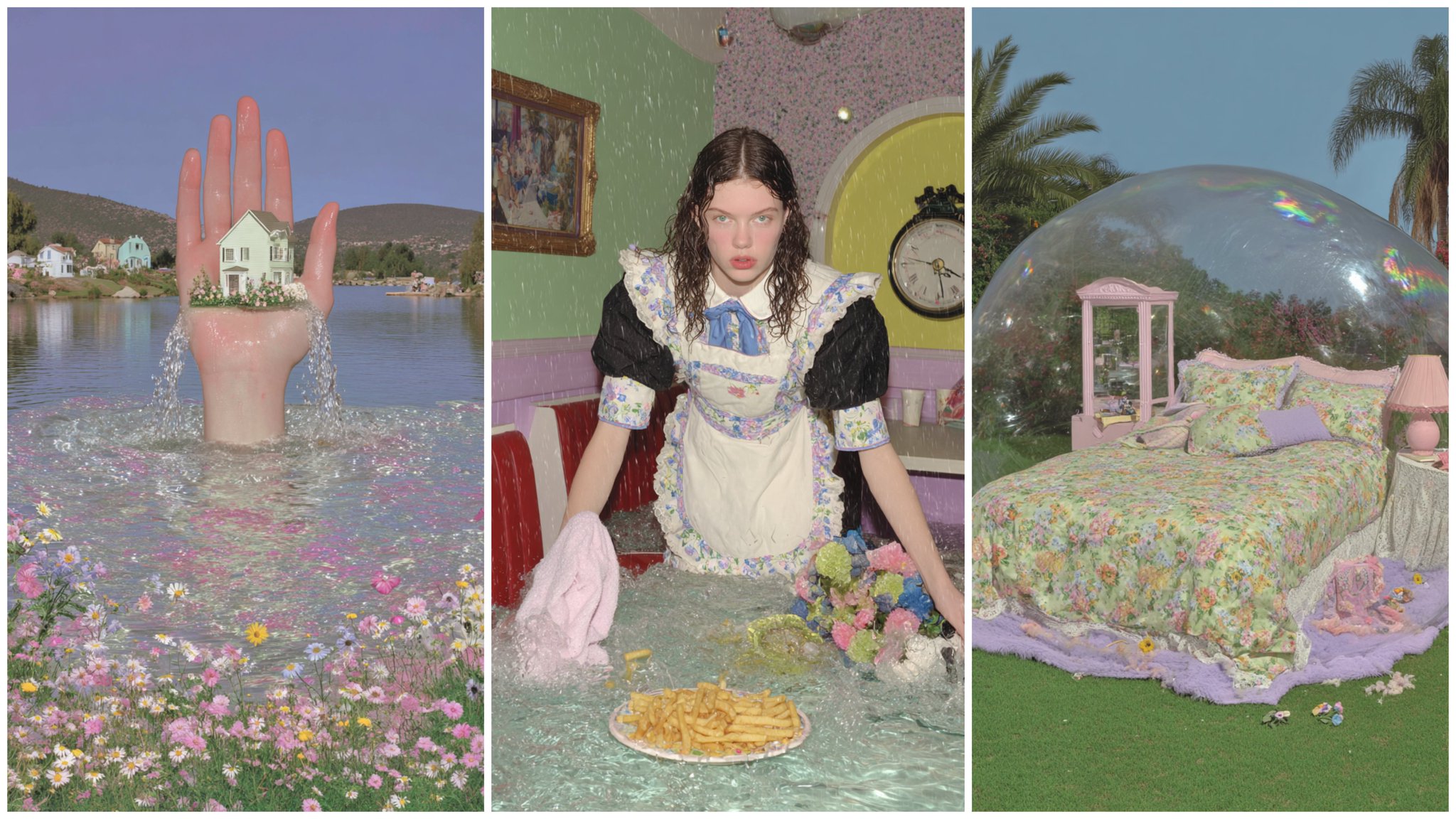
Seo Oki is a visual content creator known for giving ordinary scenes an unexpected twist. She seats a giant duck in a bathroom, makes a hand rise out of a lake and floats an entire bedroom inside a transparent bubble. She explained that she starts from real people, everyday spaces and natural light, then introduces elements unlikely to happen in real life. "Ideally, viewers should initially perceive the image as real, only to notice something unusual a moment later," Seo Oki wrote. She does not want her work to look surreal in the conventional sense.
The chronic problem she identified in AI video is motion. A still image may look natural, but once motion is added, facial expressions become exaggerated, features shift and camera movement disrupts the original cinematic texture. When different images are joined, the flow between them breaks easily even if each works on its own. So the question in this test was not image quality. It was whether Kling 4.0 could understand and preserve a visual world already established, including its characters, spaces, atmosphere and directorial intent.
The first experiment is set in a bathroom with the texture of a 1990s film. Two people go about their morning routine while a giant duck sits in the bathtub. Instead of surprised reactions or exaggerated movement, Seo Oki asked for subtle acting such as shifts in gaze, changes in expression and hand gestures. She judged that Kling 4.0 did more than move the characters, connecting gaze, expression and gesture into a single performance. Even though the prompt did not specify every shot and action, the model built relatively natural camera angles and movement from the characters' behavior and the flow of the scene, and in dialogue scenes it coordinated sound, performance and visuals. Lip sync and sound effects were singled out as areas where further refinement would widen the use of dialogue-driven video.
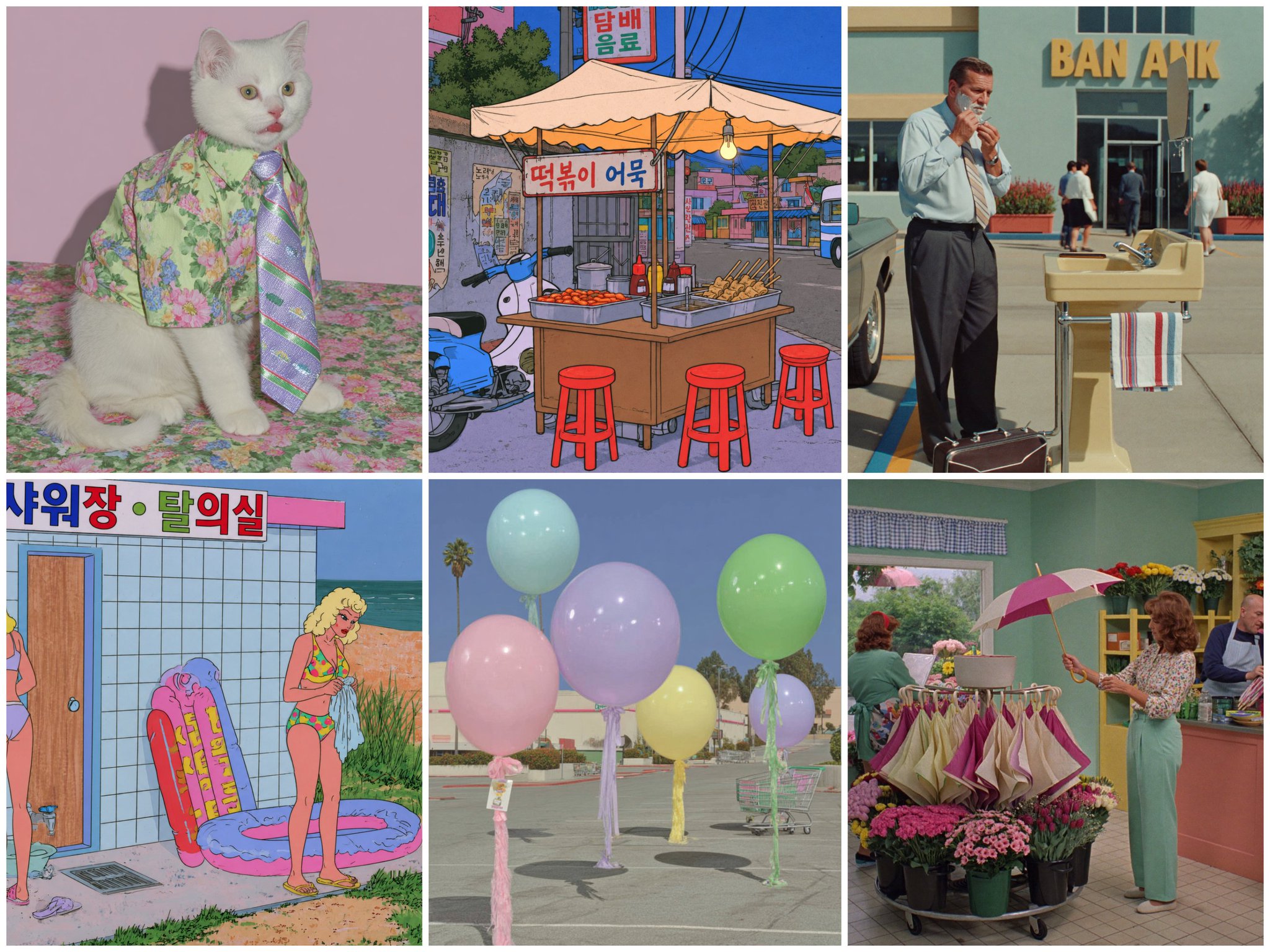
The second experiment joins three completely different images into one video. Because each image was made as an independent scene, the model had to create motion between images 1 and 2 and between 2 and 3 that existed in none of the originals. The goal was to avoid dissolves or morphing and make camera and character movement the reason for entering the next scene. "For me, the most important part of connecting multiple images is not how spectacular the transition effect looks, but whether the logic of movement behind the change in scene is convincing," Seo Oki wrote. She said she had often tried this in earlier versions, but this time both transitions felt far more natural and the original styles were preserved more consistently, which means less repeated generation and less post-production repair.
The third experiment is a video that alternates between live action and animation twice. Its protagonist is a kitten. When the style changes sharply, a character's form, direction of movement and texture easily become unstable, and continuity breaks the moment the character no longer looks the same on returning to live action. Seo Oki judged that Kling 4.0 handled the repeated transitions smoothly and kept the relationship between character, action and environment even in scenes combining fast motion with dramatic style changes. The style transition became part of the narrative action rather than just a visual effect. The original article METAL checked includes the reference images and the full English prompts for each stage.
Kling 4.0, the stage for all these tests, is the next-generation model announced on September 28 by Kling AI, the AI video subsidiary of Kuaishou. It generates up to 30 seconds in a single pass, double the 15-second ceiling of the Kling 3.0 generation. A single task can combine up to 15 multimodal references drawn from up to 10 images, five video clips and seven subjects, and users can set up to 10 keyframes to pin down character states, scene changes and plot beats. Prompt input rises to 8,000 tokens. The same day, the lighter Kling 4.0 Flash opened first to Ultra Yearly subscribers, while the full model is due in October with no exact date announced. 4K and 1080p 10-bit HDR output and a video extension feature reaching about two minutes are listed as coming soon, and API pricing for the new model has not been published.
The company's broader calculations also ride on this model. According to reports, Kling AI's annualized revenue passed $500 million in March this year, but its quarterly revenue growth slowed from 300% to 200% in the most recent quarter. In July it raised $2.8 billion from investors including Alibaba, Tencent and Baidu at a valuation of about $18 billion, above parent Kuaishou's market capitalization of roughly $17 billion. ByteDance's Seedance 2.5, launched the same month, has become established among creators, and a Hong Kong listing is being discussed. METAL previously reported that Kling AI released Orli, a short film starring a pirate cat.
Because this is a user report from a creator the company invited, it carries a promotional character. Even so, the axis of evaluation is worth noting. What Seo Oki measured was not spectacular motion but whether the world of a still image remains the same world in motion. It signals that competition in generated video is shifting from length and resolution figures toward the ability to preserve directorial intent. In her conclusion she wrote that once performance details, sound effects, character consistency and fine-grained control become sufficiently stable, AI video will move beyond making images move and become part of how creators sustain and develop a complete visual world. The more a tool preserves intent, the more fully the choice of what fills a scene belongs to the creator.
Sources
- Kling AI (X) — Oasis: Kling 4.0 Makes Surreal Scenes Feel True to Life! →
- Pandaily — Kling AI Previews Kling 4.0 With 30-Second Native Clips and Multi-Reference Control →
- WallStreetCN (Futu News) — Kuaishou Keling releases Kling 4.0: up to 30 seconds of generation, accelerating its pursuit of ByteDance's Seedance. →
Comments