


Image: METAL
Summary
- According to reporting citing Avison Young's Q2 2026 report, US data center land purchases reached about $6 billion in the first half, up 79% from a year earlier.
- In Northern Virginia, entitled land without power trades for about $4 million an acre and powered land for at least $6 million, and in an Altus Group analysis high-voltage sites sold for about 2.4 times more.
- A Texas deal between Plug Power and Stream tied extra payment to the power capacity ultimately established, while utilities are using letters of credit and stricter queue rules to filter out speculative requests.
US purchases of land for future data centers reached about $6 billion in the first half of this year, up 79% from a year earlier. According to reporting that cites commercial real estate services firm Avison Young's Q2 2026 Data Center Market report, hyperscalers, neocloud providers, energy-first developers and investors are competing for large AI campus sites, and the yardstick that sets land prices has shifted from location to power access.
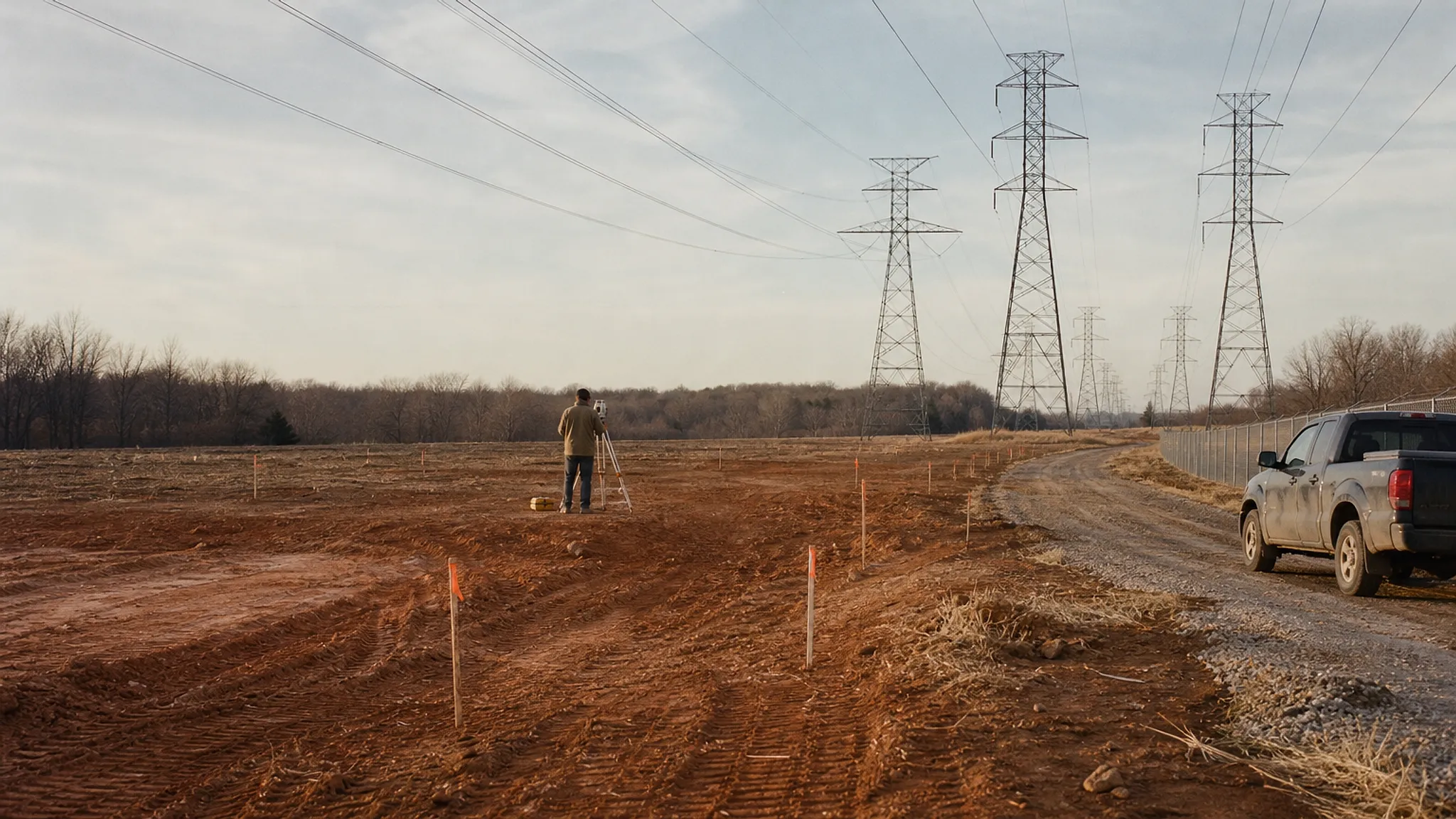
The standard in the field fits in one sentence. "The biggest thing right now is speed to power," said John Andril, manager of market intelligence at Avison Young. According to Andril, in Northern Virginia entitled land without power trades for roughly $4 million an acre, while powered land fetches at least $6 million. Because entitlements, infrastructure and site conditions also affect prices, the gap does not isolate the value of electricity alone. "The premium is increasingly payment for uncertainty removed, not just for megawatts nearby," said industry analyst Neil Osnato.
Analysis backed by numbers points the same way. When real estate analytics firm Altus Group examined 80 verified data center land transactions in August, committed utility load was the strongest predictor of land prices. Sites tied to 230-kilovolt or 500-kilovolt transmission infrastructure sold for about 2.4 times the price of sites tied to 138 kilovolts or lower. Andril explained that existing transmission infrastructure reduces the upgrades needed and can in some cases shorten permitting by about a year. Still, being close to a transmission line does not guarantee that a utility can deliver the required capacity on time.
The conditions for a power-ready site are specific. According to Andril, electrical infrastructure should be deliverable within about 18 months, roughly the time it takes a building to get ready for its initial load. It also has to be settled what equipment a substation needs and who pays for and builds it. Campus planning uses about 0.5 to 1 acre per megawatt as a rule of thumb. "If you don't have power until the early to mid-2030s, you're probably not going to get a lot of interest," he said.
A Texas deal put a price on power capacity. Hydrogen fuel cell company Plug Power agreed to sell its Graham, Texas, project to developer Stream Data Centers for $50 million, with up to $26.5 million more depending on the electrical load capacity ultimately established. The agreement's reference capacity was 164 megawatts. Plug had deposited $6.5 million with Texas utility Oncor while requesting 164 megawatts of load and posted a $7.75 million letter of credit under an agreement with Texas grid operator ERCOT. The project consisted of about 66 acres, development rights and grid interconnection assets. The deal was later restructured: Stream first bought the high-voltage electrical infrastructure for $40 million in August, while the land and remaining interconnection assets stayed subject to closing conditions. The point of the deal is not a completed $76.5 million land sale but that tying extra payment to established capacity put a price on the uncertainty of power supply.
In Northern Virginia, the sums are of a different order. According to Loudoun County records, data center developer SDC Twin Creeks Parent paid $615.05 million for 97.15 acres in November 2025, about $6.33 million an acre. The land is part of the Twin Creeks data center development in Leesburg, Virginia. Utility Dominion Energy separately bought about 14 acres tied to the same development for $45 million. In low-cost markets the effect is even more dramatic. According to Andril, land that would sell for about $10,000 an acre without a power path for a data center can jump to six figures an acre once the infrastructure and utility relationships are in place.
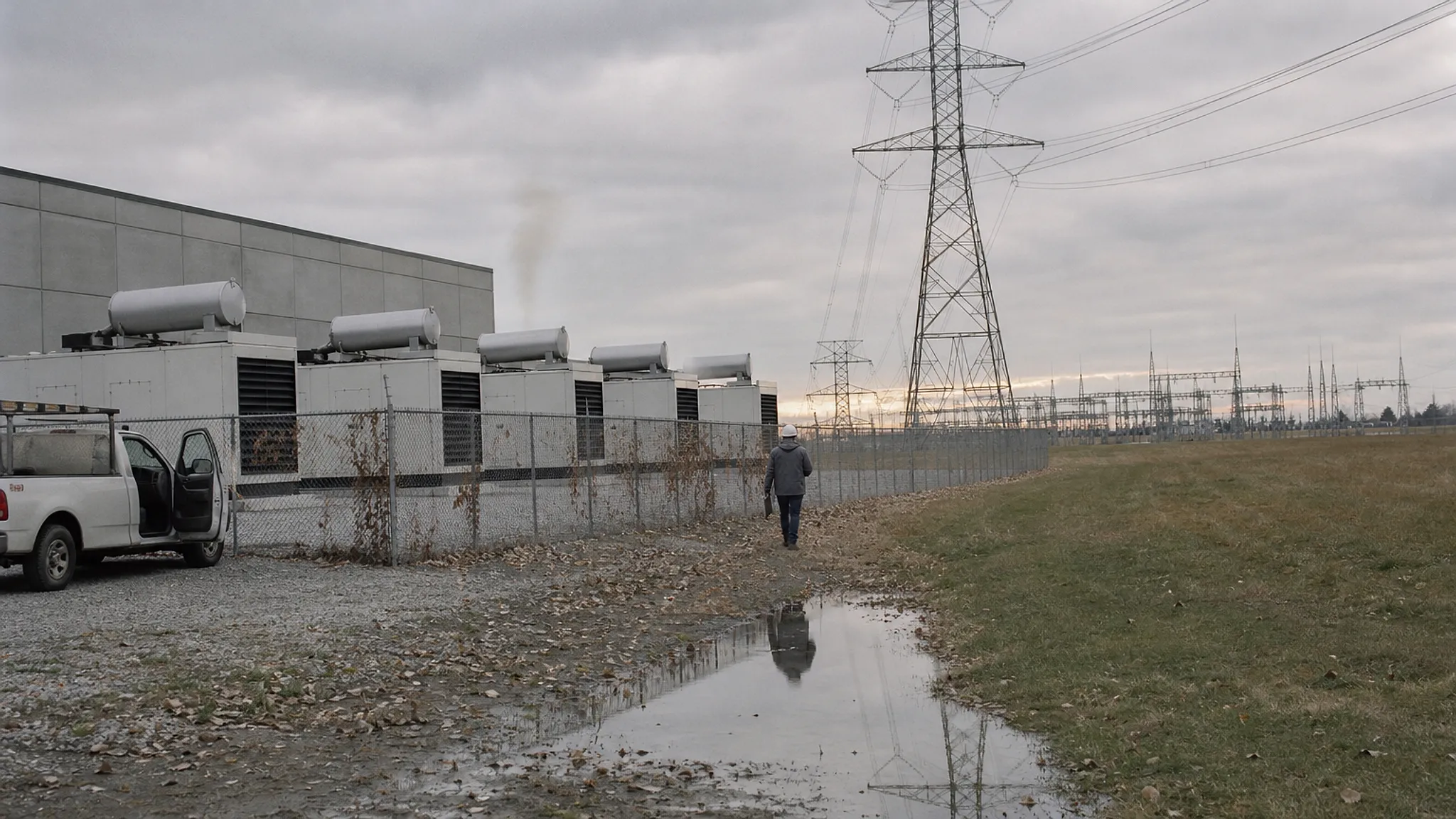
Utilities face their own planning problem. They must prepare for large new loads without spending billions of dollars on projects that never materialize, while developers need confidence in power delivery before putting major capital into a site. Andril described it as a chicken-and-egg situation. Letters of credit, take-or-pay agreements and stricter interconnection queue requirements are used to screen out speculative requests, and he said established developers and end users can support them because they make genuine demand easier to identify. Onsite generation can carry initial operations while waiting for utility infrastructure, but whether it pays depends on generation costs and project economics.
METAL previously reported on data center opposition in Pennsylvania spreading into a bipartisan coalition. The deals in the full report METAL reviewed show the same pressure at work in land prices. When power arrives late, capacity delivery slips, customer commitments get tangled and expensive buildings sit waiting to go live. What a data center operator must check before price and location when choosing a site is when electricity will reach that land, and the certainty of that date now makes a difference of millions of dollars per acre.


Comments