


요약
- Ai2가 실제 1대1 수학 과외 전사를 활용한 평가 프레임워크 TutorMoments 프리뷰를 2026년 8월 7일 공개했다
- LLM에게 '잘 가르치라'고만 지시하면 대부분 모델이 과도하게 도와주고, 학생 스스로 사고하게 만드는 개입은 드물었다
- 프롬프트에 도움과 절제의 트레이드오프를 명시해도 인간 튜터 수준의 격차는 좁혀지지 않았고 모델 간 편차도 컸다
- 공개 주체
- Ai2 (Allen Institute for AI)
- 이름
- TutorMoments
- 공개일
- 2026년 8월 7일
- 평가 방식
- 실제 미국 과외 프로그램 전사를 활용한 리플레이 기반 평가
- 역할 구성
- LLM이 튜터 역할, 또 다른 LLM이 학생 역할을 맡아 시뮬레이션
- 주요 발견
- 지시 없이는 과도하게 도와주는 경향, 트레이드오프 명시해도 격차 미해소
- 공개 자료
- 비식별화 전사 데이터셋, 리플레이 파이프라인 코드, 모델 리플레이 기록
힌트를 구하면 되묻는 이유
수학 문제를 풀다 막힌 학생이 "이거 어떻게 풀어요?"라고 물으면, 좋은 과외 교사는 답을 바로 주지 않는다. 대신 "이 문제가 뭘 묻고 있는지 아는 대로 말해볼래?"라고 되묻는다. Ai2는 이런 되묻기가 불친절이 아니라 학생이 무엇을 이해하고 있는지 진단하는 핵심 기술이라고 설명했다. 문제를 대신 풀어주는 순간, 학습에 필요한 '생산적 고민(productive struggle)' — 답을 찾기까지의 시행착오와 좌절, 그 과정에서 다져지는 이해 — 을 빼앗기 때문이다.
반면 언어모델은 '도움이 되는 답'을 내놓도록 학습된다. 개념을 설명하고, 풀이 단계를 나열하고, 답으로 곧장 안내하는 게 기본 습성이다. 과외 상황에서는 이 습성이 오히려 독이 될 수 있다. Ai2는 지난 8월 7일 이 문제를 정면으로 측정하는 평가 프레임워크 TutorMoments의 프리뷰를 공개했다.
실제 과외 세션을 재현하는 방식
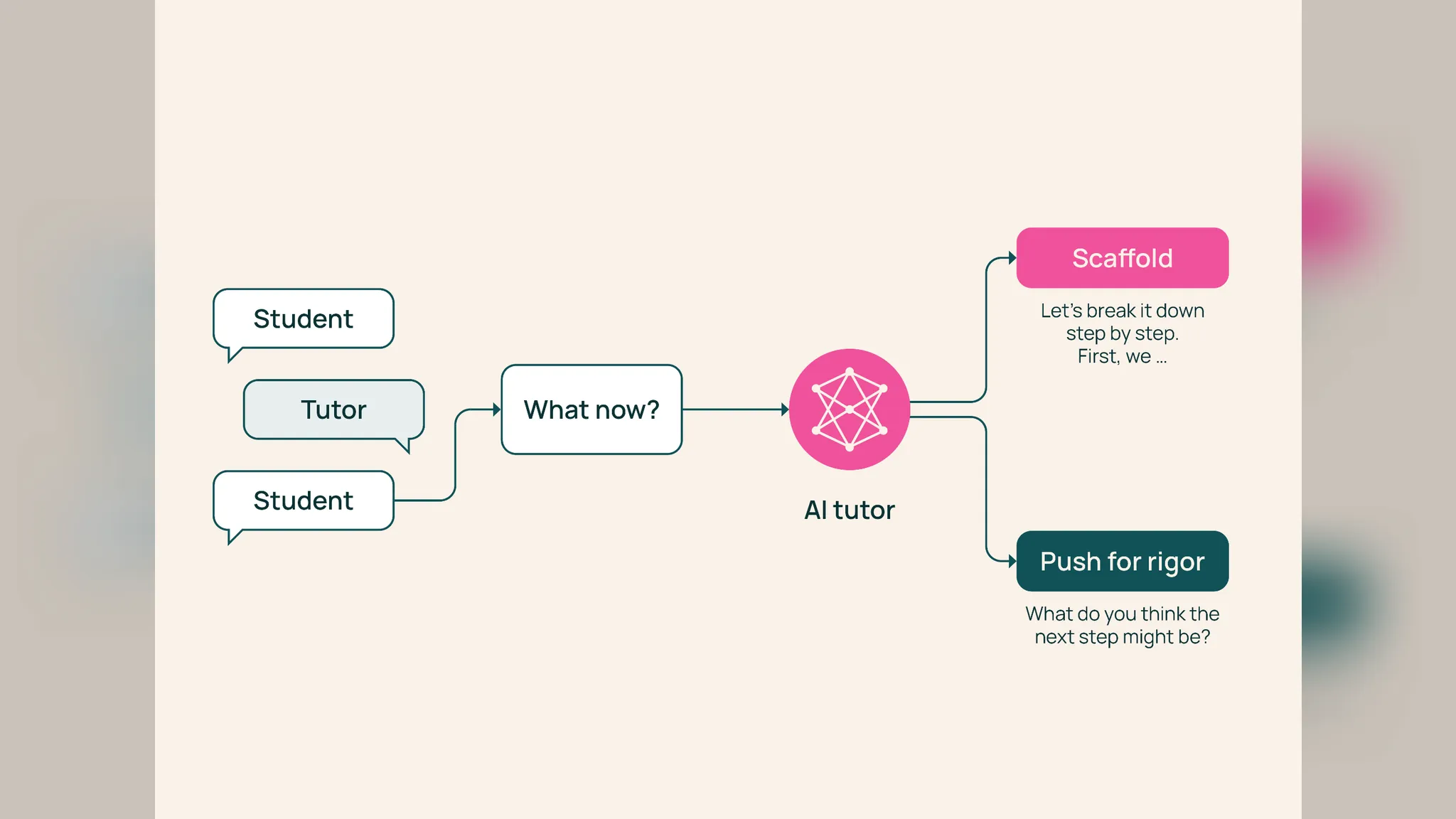
TutorMoments는 미국의 한 과외 프로그램에서 수집된 실제 1대1 수학 과외 전사를 기반으로 만들어졌다. 경험 많은 수학 교사들이 이 전사를 검토해, 튜터가 '문제를 쉽게 만들어 도와줄지' 아니면 '학생 스스로 더 생각하게 밀어붙일지' 갈림길에 선 순간을 골라낸다. 평가는 그 결정 지점까지의 대화를 그대로 언어모델에 넘기고, 모델이 튜터 역할을 이어받아 시뮬레이션을 진행하도록 한다. 이때 학생 역할은 또 다른 언어모델이 맡는다. 즉 실제 사람이 아니라 모델 대 모델의 재연(replay)으로 판단 순간을 관찰하는 구조다.
다 도와주거나, 아예 안 도와주거나
기존 튜터링 벤치마크 상당수는 '절대 답을 알려주지 말 것' 또는 '항상 힌트를 줄 것'처럼 단일 행동을 정답으로 놓고 채점해왔다. 하지만 좋은 과외는 고정된 행동 목록이 아니라 그때그때의 판단이다. 이번 결과에서 모델들은 단순히 '잘 가르치라'는 지시만 받았을 때 대체로 과도하게 도와주는 쪽으로 기울었고, 학생이 스스로 더 깊이 사고하도록 밀어붙이는 개입은 드물었다. 프롬프트에 도움과 절제의 트레이드오프를 명확히 적어주면 성능이 개선됐지만, 상황에 맞게 일관되게 판단하는 인간 튜터 수준에는 미치지 못했다. 모델 간 편차도 컸다고 Ai2는 밝혔다.
| 공개 요소 | 내용 |
|---|---|
| 데이터셋 | 비식별화된 실제 과외 전사 |
| 코드 | 리플레이 평가 파이프라인 |
| 리플레이 기록 | 평가 대상이 된 주요 결정 순간의 모델 튜터 재연 |
왜 지금 이 문제인가
AI 튜터는 이미 방과 후 학습, 시험 준비, 개인 맞춤 학습 서비스 등에서 빠르게 쓰이고 있다. 그런데 모델이 학생의 질문에 곧바로 답을 내놓는 습성은 채점 벤치마크에서는 '유용함'으로 평가되지만, 교육 현장에서는 학습 기회를 없애는 부작용으로 작용할 수 있다. TutorMoments는 이 간극을 실제 교사의 판단을 기준선으로 삼아 정량화하려는 시도다. Ai2는 데이터셋과 코드, 리플레이 기록을 모두 공개해 다른 연구자와 AI 튜터 개발팀이 같은 잣대로 재현·검증할 수 있도록 했다.
AI 튜터, 도움 타이밍 판단 벤치마크 등장 (/2026/8/tutormoments-ai-tutor-benchmark)
그래서 무엇이 달라지나
TutorMoments는 현재 미국 초·중등 수학 과목에 한정된 프리뷰 단계로, 세부 평가 항목이나 전체 대상 모델 목록까지 폭넓게 공개된 상태는 아니다. 그럼에도 이번 공개는 AI 튜터를 만드는 팀에게 '정답을 잘 맞히는가'가 아니라 '개입 시점을 잘 판단하는가'라는 새로운 채점 기준을 던졌다는 점에서 실질적이다. 프롬프트만으로는 메꿔지지 않는 격차가 확인된 만큼, 앞으로 AI 튜터 개발은 모델 학습 단계에서부터 '언제 물러설지'를 가르치는 방향으로 옮겨갈 가능성이 크다. 데이터와 코드가 열려 있는 만큼, 다른 연구팀이 자체 모델을 같은 잣대로 검증해 볼 수 있는 길도 열렸다.



댓글