이미지: METAL LAB 생성
Summary
- Artificial Analysis announced on its official X account that it is developing a benchmarking suite for developers.
- Alongside the announcement, it opened early access applications to gather a small group of testers for feedback before launch.
- The post did not specify the product's exact features or launch timing, so this currently appears to be at the recruitment stage.
- 발표 주체
- Artificial Analysis
- 발표 채널
- 공식 X 계정 게시물
- 발표 시각
- 2026년 8월 10일 16시 11분(UTC)
- 개발 중인 것
- 개발자의 AI 모델 평가를 돕는 새 벤치마킹 제품군(a range of new AI benchmarking products)
- 모집 대상
- 출시 전 테스트와 피드백을 맡을 소수 사용자 그룹
- 참여 방법
- 게시물에 첨부된 얼리 액세스 신청 링크
- 현재 단계
- 출시 전(pre-launch), 정식 공개 시점은 게시물에 없음
The measurer now builds the ruler
Every time a new model comes out, developers reflexively check a few things: how smart is this model, how many tokens per second does it output, how many seconds until the first token appears, and which provider is cheaper for the same task. Artificial Analysis has been the one measuring these numbers from a third-party standpoint, rather than relying on model makers' own press materials.
On August 10, 2026, Artificial Analysis posted a short update on its official X account. It said it is building a new benchmarking suite for developers to evaluate AI models, and that before the official launch, it plans to bring in a small group of users to try it firsthand and gather feedback. The post included a link to apply for early access.
The weight of this announcement doesn't lie in the length of the text. Until now, this company's role has been "we measure it and show you." This signals a shift toward "we give you the tool to measure it yourself."
What is Artificial Analysis
Artificial Analysis is known as an independent benchmarking organization that compares multiple models and inference providers under the same conditions and publishes the results. Its approach lines up axes such as a composite capability score, output tokens per second, time to first token, and cost per million tokens. Revealing through numbers that speed and price can differ for the same model depending on which hosting provider is used has been the company's reason for being.
| Evaluation axis | What it determines in practice |
|---|---|
| Composite intelligence score | Whether this model can be trusted with this task |
| Output tokens per second | How long users wait for a long response |
| Time to first token | Whether chat/voice interactions feel like they're stalling |
| Cost per token | Whether a 10x traffic increase is affordable |
The items in this table summarize the comparison axes commonly used in this field; whether this specific product covers these axes is a separate matter.
Why an 'evaluation tool' now
In a phase where model announcements pour out weekly, benchmarks are suffering from two problems at once. One is saturation. Once multiple top models start scoring in the 90s on the same test, that test can no longer distinguish between them. The other is contamination. When published questions and answers leak into training data, scores end up measuring memorization rather than actual ability.
On top of this, the evaluation targets themselves have grown harder. Unlike the era of grading a single answer, models now need to be evaluated as agents that call tools multiple times, operate browsers, and go through dozens of steps. A model might click the wrong thing partway through and still land on the correct final answer, or get the answer right while taking risky actions along the way. This has made in-house evaluation, tailored to each team's specific work, a necessity — and demand has grown for tools to support that work.
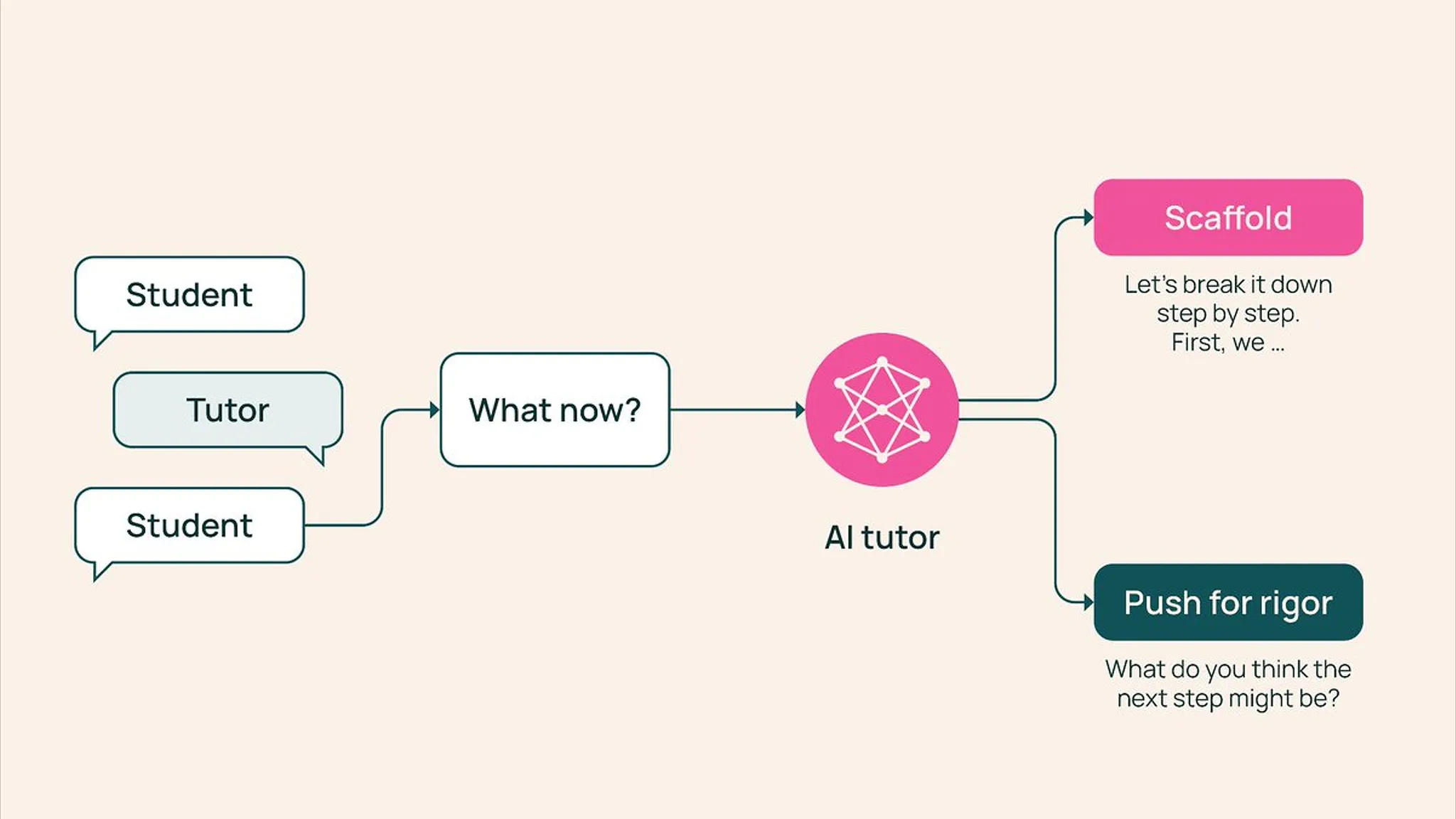
Artificial Analysis is not alone in trying to break evaluation down into finer pieces. On August 7, Ai2 released a preview of TutorMoments, a framework that measures an AI tutor's judgment in distinguishing between when to help a student and when to step back and let them think for themselves. Rather than accuracy rate, it targets "when to intervene" as the thing being measured.
What the early-access format tells us
Bringing in a small group first to gather feedback also signals that the product hasn't fully solidified yet. This is especially true for benchmarking tools. Which tasks are chosen as standard, whether grading is done by humans or by other models, how identical conditions are reproduced — every one of these design choices can completely change the resulting numbers. The scale of applicants and the selection criteria were not disclosed in this post.
So what changes
Choosing a model is no longer about finding the "best" model. It's about finding the combination that involves the fewest tradeoffs for your specific task, your budget, and the response latency you can tolerate. A single leaderboard can't answer that. It means moving from reading scores on someone else's test to running your own test with your own data.
If an independent evaluator brings such a tool to market directly, it could lower the barrier for small teams that previously had to build their own evaluation pipelines from scratch. At the same time, it introduces new tension. When the party ranking models also supplies the evaluation tool, that tool's default settings effectively become the industry's standard test. What's confirmed for now is only that such a tool is being built, and that the company is looking for people to try it first.