One email each morning — yesterday's AI, sortedGet it in your inbox

METAL LAB

NVIDIA Unveils NOOA, a Framework That Builds Agents as Python Classes

Research preview argues harness design determines benchmark performance, released as open source

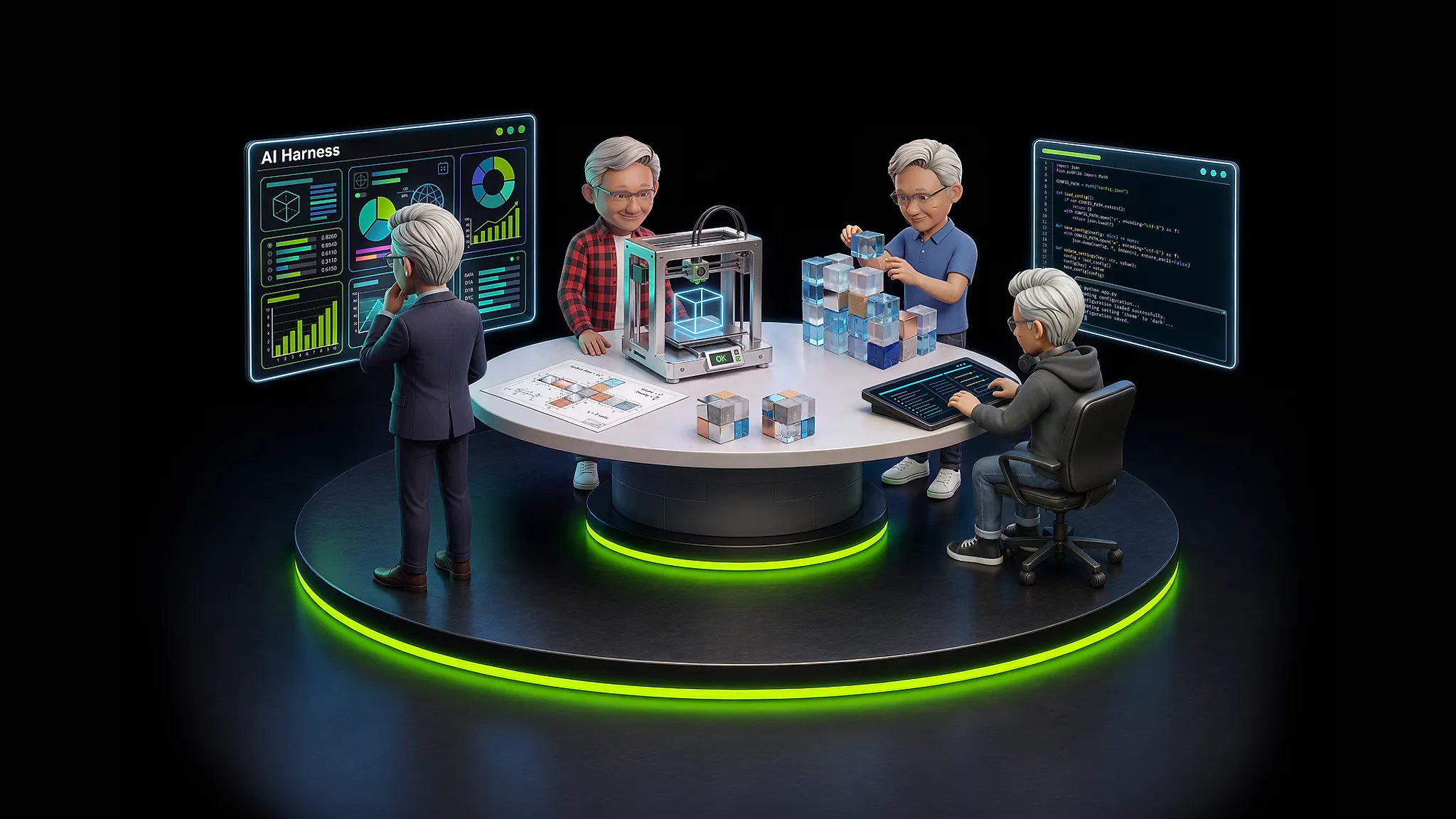
이미지: METAL LAB 생성

Summary

  • NVIDIA Labs has released NOOA, an open-source framework that structures agents as a single Python class, as a research preview.
  • Methods map to capabilities, fields to state, and docstrings to prompts, with type annotations serving as contracts.
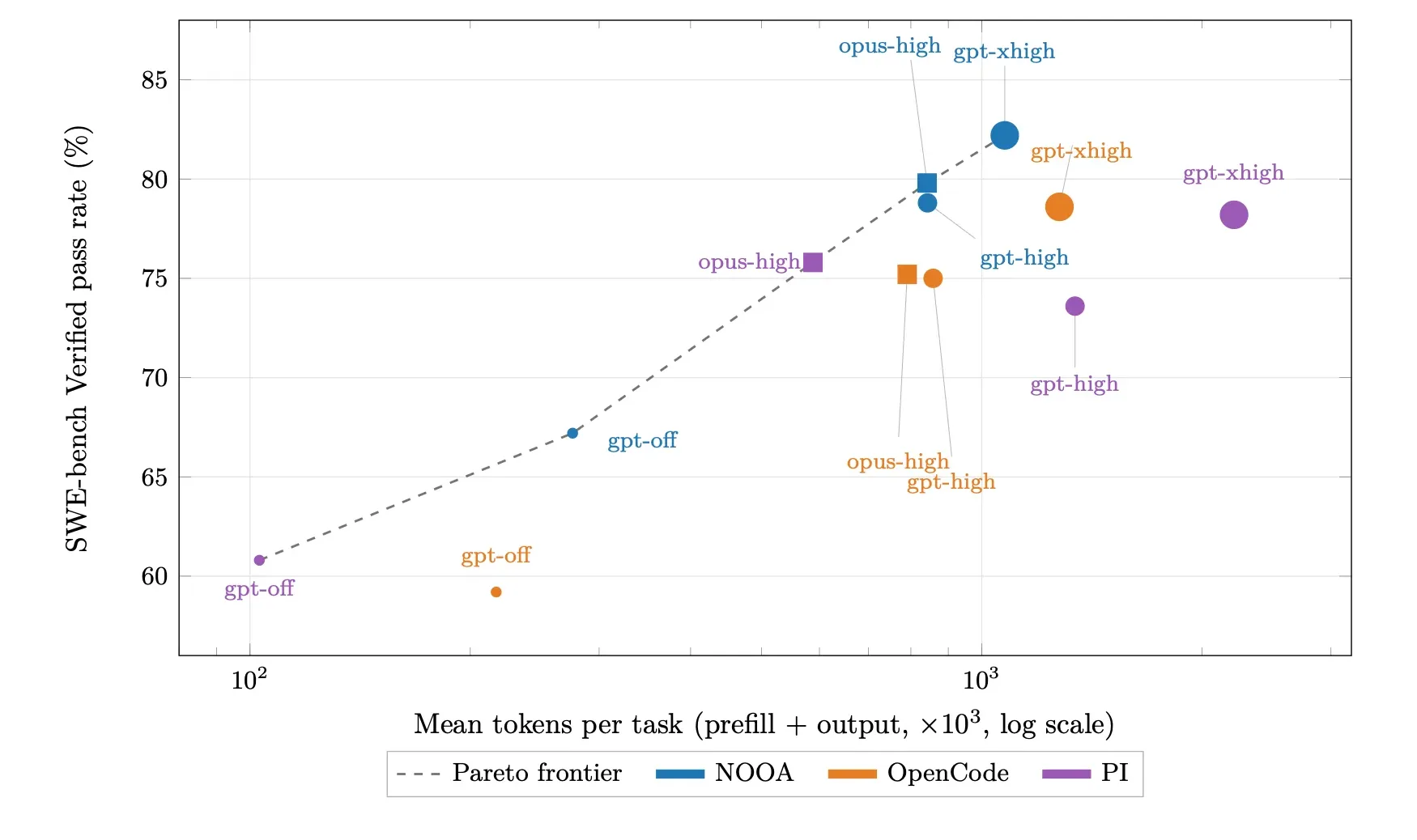
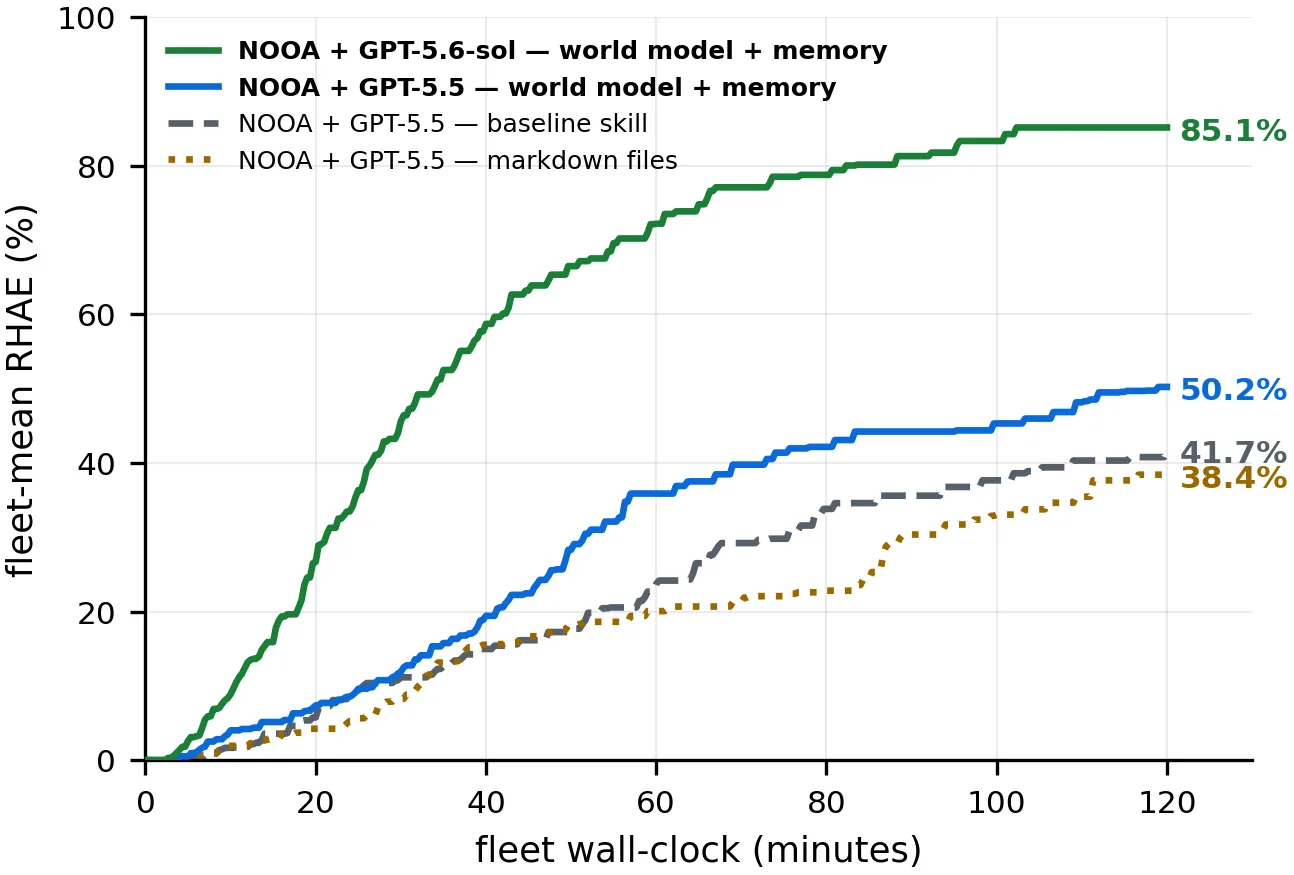
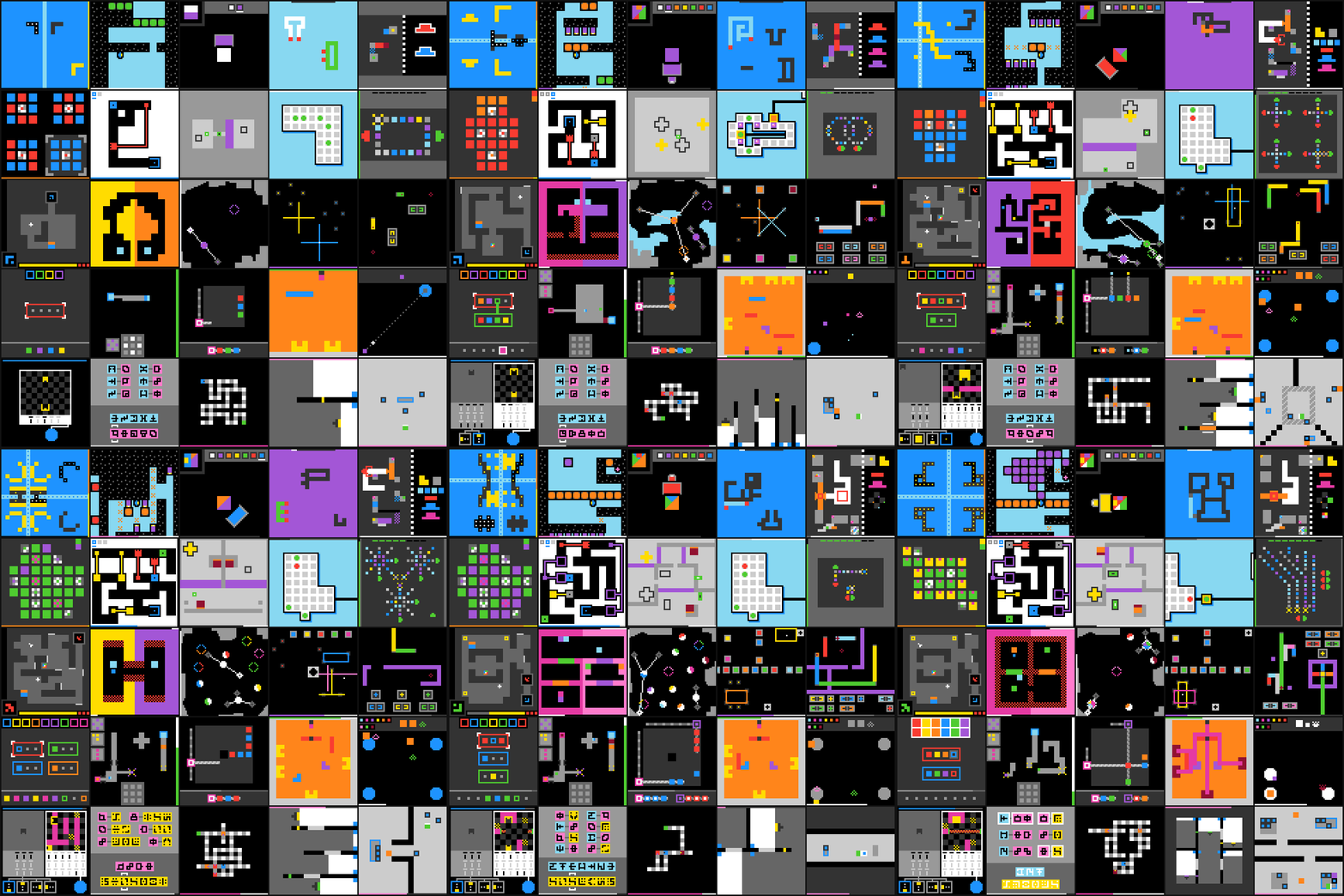
  • The company said the framework showed higher accuracy and lower token costs than existing harnesses on the SWE-bench Verified, CyberGym L1, and ARC-AGI-3 benchmarks.
발표
NVIDIA Labs, 2026년 7월 27일
프로젝트명
NOOA (NVIDIA Labs Object-Oriented Agents)
형태
오픈소스 연구 프리뷰, 파이썬 프레임워크
메모리 구조
SQLite 기반 타입·관계형 장기 메모리, pass-by-reference 방식
벤치마크
SWE-bench Verified, CyberGym L1, ARC-AGI-3

NVIDIA Labs has released "NOOA (NVIDIA Labs Object-Oriented Agents)," an open-source framework that defines AI agents as a single Python class, as a research preview. The work is authored by Ricardo Silveira Cabral and Paul Furgale, and was published on the NVIDIA Developer Blog on July 27, 2026.

Treating agents like code

In NOOA, an agent's methods serve as its capabilities, its fields as its state, and its docstrings as its prompts. Type annotations function as enforced contracts, and methods whose bodies are marked with an ellipsis (…) are filled in and executed at runtime by an LLM-driven loop. NVIDIA explained that this approach makes agent development resemble ordinary software development, allowing both humans and AI coding agents to use existing tools for diffing, code review, unit testing, and version control.

On the memory management side, the framework accumulates typed, relational long-term memory in a human-readable SQLite store, and manages context efficiently through pass-by-reference, eliminating the need for separate context compression or summarization pipelines, according to NVIDIA.

NVIDIA said NOOA achieved higher accuracy and lower token costs than existing harnesses across three benchmarks: SWE-bench Verified, CyberGym L1, and ARC-AGI-3. The company released the code, data, and evaluation methodology together to allow the community to reproduce and verify the results.