


Summary
- OpenAI's developer account posted the GPT-6 Astra 3D creations compilation video at 00:56 UTC on September 19.
- Creator Roberto Nickson ran the 24-hour open call together with the developer account, and it drew ten entries.
- The creators' follower counts range from 64 to 110,000, and none of the entries disclosed how many attempts or how much it cost to make them.
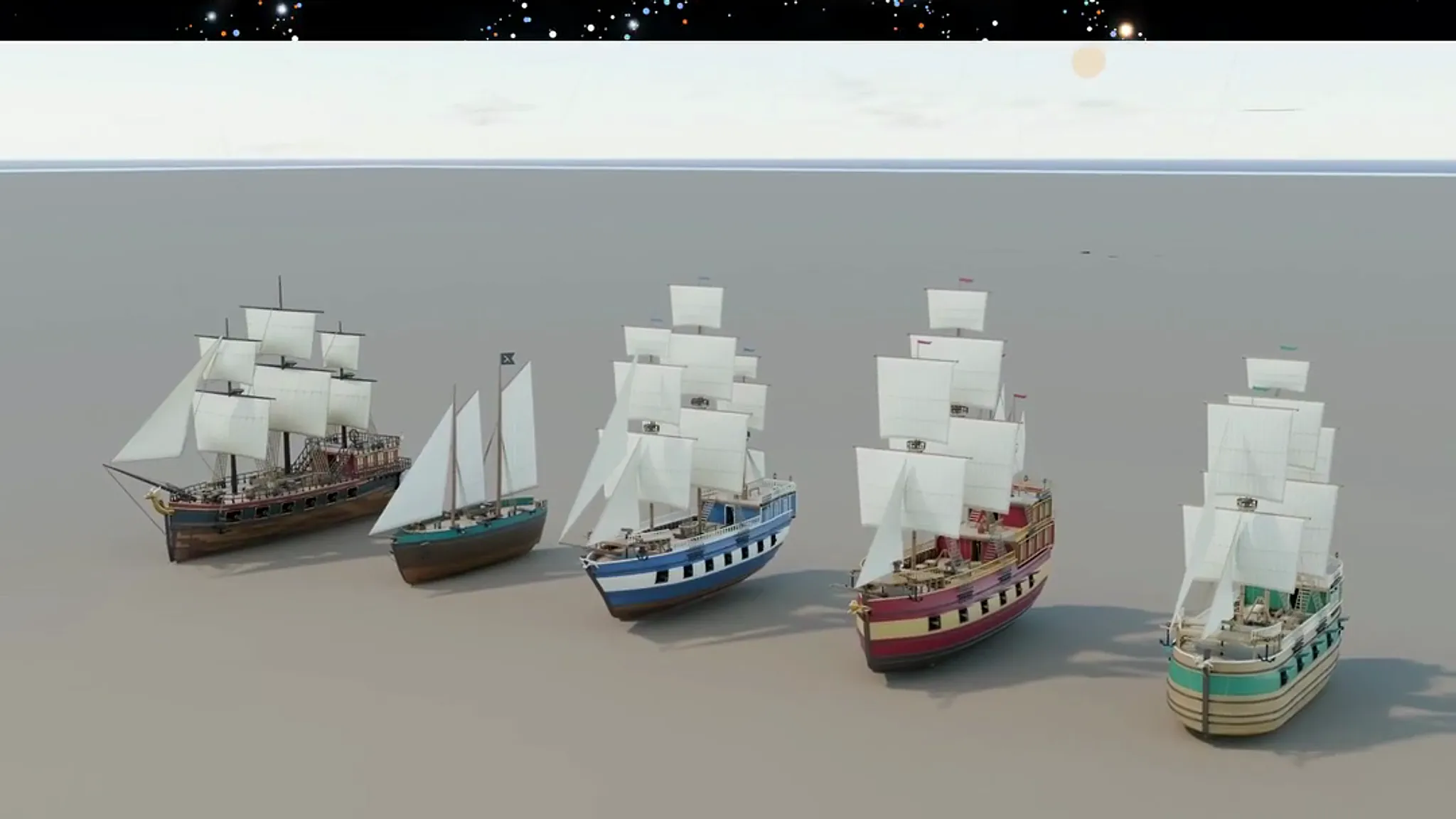
OpenAI's developer account posted a compilation video of 3D creations made with GPT-6 Astra. The 19.5-second vertical video went up at 00:56 UTC on September 19, and the account wrote, "We asked to see your wildest GPT-6 Astra 3D creations, and you delivered." The video stitches together entries submitted to a one-day open call.
The call itself came from outside the company. Creator Roberto Nickson asked, together with OpenAI's developer account, what the wildest thing anyone could build in 3D with GPT-6 Astra would look like, and gave people 24 hours to answer; that request post drew more than 300,000 views. After the deadline, he wrote, "Time's up. You had 24 hours to speak in polygons," and posted a thread quoting ten numbered entries.
The biggest number belongs to the third entry. Solipsnichton Renatus posted a structural reassembly scene in which 33,302 parts find their way into place, writing that he had rendered plenty of good work with Blender and Astra, but that this scene stood out the most. He said he got the shot by pushing the model's ability to break structures apart. His account has 64 followers.
A scene with 30,000 parts isn't something the model stamps out directly as coordinates. Many of the entries in the thread work by having the model script a 3D tool like Blender, and Adrian Karvinen wrote that he built his piece with Astra and Blender. What the model produces isn't the shape itself but the procedure that generates it, which means the complexity of the output is tied more to how expressive the tool is than to the size of the model.
Not all ten entries are spectacles. Rory Flynn had the model find, design, and plan a golf course site on real land and terrain data from Sardinia, while Spyguy modeled an actual single-family home construction project, writing, "I'm trying to build a system on top of this workflow that closes the gap for small contractors." Rohan Kotecha posted a setup that links a wearable device to a biomechanical model of his own body for real-time lower-back physical therapy.
How long each build took also got noted in numbers. iamnotmatt wrote, "Built an entire metaverse in four days," and said it runs directly in the browser and on mobile. Wizardbrainz posted a voxel-built Vice City, writing that it has more features than anything released so far. The last entry, Randomy, posted an open-world action RPG inspired by genre classics, writing that it's still very much a work in progress with plenty left to polish. Leon Lin's entry has Astra compose a piano melody and also builds a 3D pianist that actually plays the notes.
Among the creators in the thread METAL reviewed, follower counts range from 64 to 110,000. The largest account belongs to Bilawal Sidhu, who took the top spot by recreating a Prime Air delivery drone crash scene. Ranking didn't track account size: work from accounts with 64 and 209 followers landed in third and ninth place, respectively.
METAL has reported on how ChatGPT can directly operate Runway and Blender. What went up this time is individuals running that same connection on their own tools for a single day. METAL has also reported on the video of Cognition testing GPT-6 Astra with Devin.
The open call is itself a kind of evaluation. Instead of a benchmark score, it measures what gets finished within 24 hours. But that method leaves no record of how many times something was rerun, how many tokens were spent, or where a human stepped in to fix things. None of the ten entries disclosed how many attempts or how much it cost.
The person behind the video is inside the company too. The account credited as the compilation's creator describes itself as working on developer community growth at OpenAI and the developer account. The developer account linked to Nickson's thread in a second post, saying to watch for what comes next, and Nickson wrote that the account would reach out to entrants separately.
OpenAI's developer account has 429,000 followers, and this compilation video received 934 likes and 62,000 views. The evidence model companies present in the 3D tool race has shifted from side-by-side rendering comparisons to lists of what got made in a single day. The pitch is no longer about drawing something better, but about showing what can get finished within a day.


Comments