


Summary
- On August 7, 2026, Ai2 released a preview of TutorMoments, an evaluation framework built from real one-on-one math tutoring transcripts
- When simply instructed to "teach well," most models tended to over-help, and interventions that pushed students to think for themselves were rare
- Even when prompts explicitly spelled out the trade-off between helping and holding back, models still fell short of human-tutor-level judgment, and variation between models was large
Why a Good Tutor Asks Questions Back
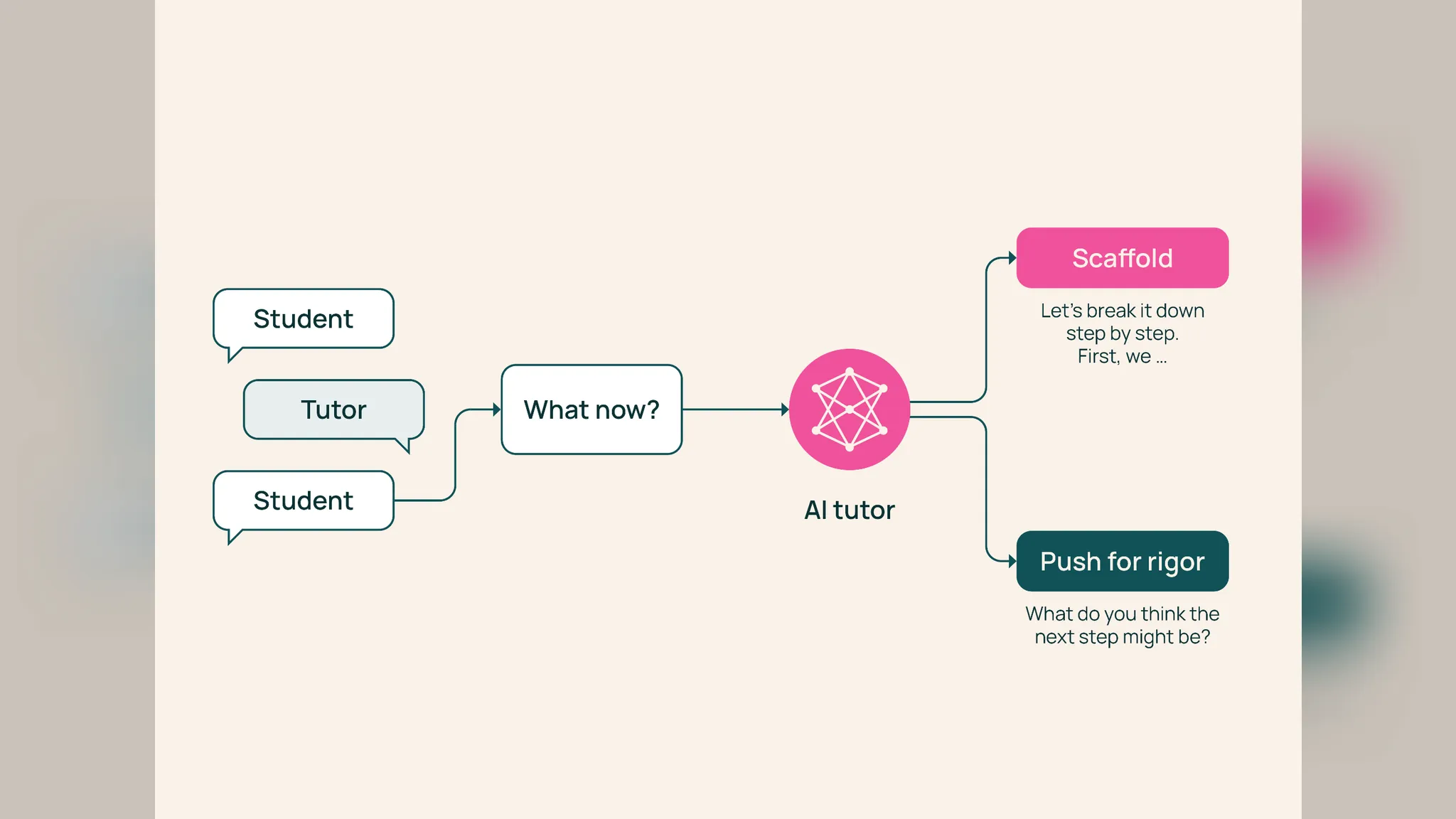
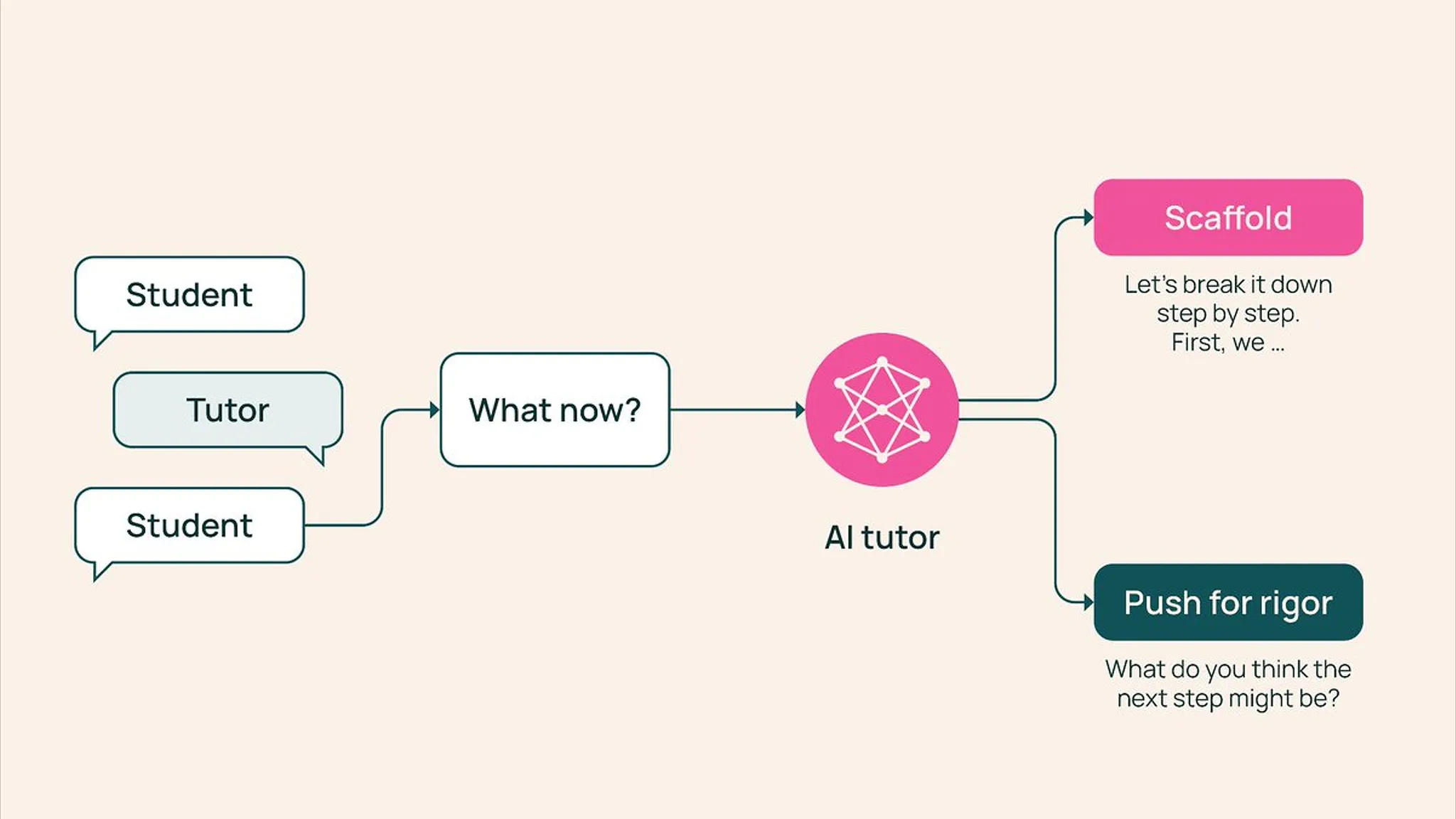
When a student stuck on a math problem asks, "How do I solve this?", a good tutor doesn't hand over the answer right away. Instead, they ask back, "Can you tell me what you understand this problem to be asking?" Ai2 explains that this kind of counter-questioning isn't unhelpfulness — it's a core skill for diagnosing what the student already understands. The moment a tutor solves the problem for the student, it strips away the "productive struggle" essential to learning — the trial and error, the frustration, and the understanding that gets built along the way.
Language models, by contrast, are trained to produce "helpful" answers. Their default instinct is to explain concepts, lay out solution steps, and guide straight to the answer. In a tutoring context, this instinct can actually work against learning. On August 7, Ai2 released a preview of TutorMoments, an evaluation framework designed to measure this problem head-on.
Recreating Real Tutoring Sessions
TutorMoments is built from real one-on-one math tutoring transcripts collected through a U.S. tutoring program. Experienced math teachers reviewed the transcripts to identify moments where the tutor faced a fork in the road: make the problem easier to help the student along, or push the student to think harder on their own. The evaluation hands the conversation up to that decision point to a language model, which takes over the tutor role and continues the simulation. The student role, meanwhile, is played by another language model. In other words, the decision moments are observed not through real people but through a model-to-model replay.
All-In Help or No Help at All
Many existing tutoring benchmarks have scored performance against a single fixed behavior — "never give the answer away" or "always give a hint." But good tutoring isn't a fixed checklist of behaviors; it's judgment applied in the moment. In this evaluation, models that were simply instructed to "teach well" tended to lean toward over-helping, and interventions that pushed students to think more deeply on their own were rare. Performance improved when prompts explicitly spelled out the trade-off between helping and restraint, but models still fell short of the consistent, context-sensitive judgment human tutors display. Ai2 noted that variation between models was also substantial.
| Released Component | Description |
|---|---|
| Dataset | De-identified real tutoring transcripts |
| Code | Replay evaluation pipeline |
| Replay logs | Model tutor replays of the key decision moments evaluated |
Why This Matters Now
AI tutors are already being used rapidly in after-school learning, exam prep, and personalized learning services. But a model's instinct to immediately answer a student's question — while scored as "helpfulness" on standard benchmarks — can act as a liability in real educational settings by eliminating opportunities to learn. TutorMoments is an attempt to quantify this gap using real teachers' judgment as the baseline. Ai2 has released the dataset, code, and replay logs in full, so other researchers and AI tutor development teams can reproduce and verify results using the same standard.
AI Tutors: A New Benchmark for Judging When to Help (/2026/8/tutormoments-ai-tutor-benchmark)
So What Changes From Here
TutorMoments is currently in a preview stage limited to U.S. elementary and secondary math, and Ai2 hasn't yet broadly disclosed detailed evaluation criteria or a full list of tested models. Still, the release is meaningful in that it hands teams building AI tutors a new scoring standard — not "does it get the answer right," but "does it judge the right moment to intervene." Since the gap turned out not to be closeable through prompting alone, future AI tutor development will likely shift toward teaching models, at the training stage itself, when to step back. And with the data and code open, other research teams now have a path to test their own models against the same standard.



Comments