


Image: METAL
Summary
- Cursor announced on its blog that it has officially become a subsidiary of SpaceX
- The deal, announced last April, gave SpaceX the option to acquire Cursor for up to $60 billion
- Cursor said the move gives it access to one of the world's largest GPU infrastructures
What happened
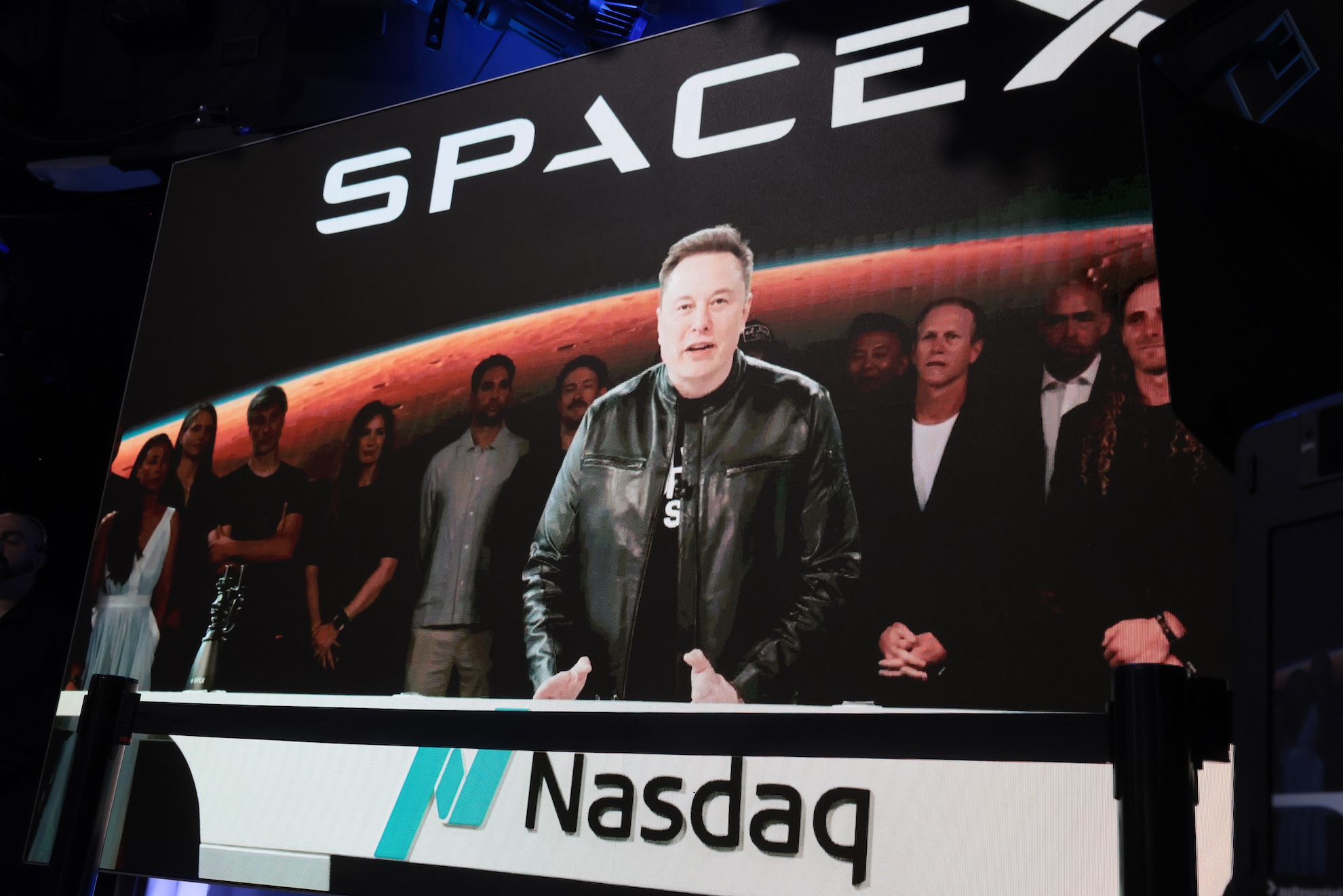
Coding tool Cursor announced on its blog that it has officially become part of Elon Musk's SpaceX. The two companies announced a technology partnership agreement last April, which also gave SpaceX the option to acquire Cursor for up to $60 billion. Two months later, in June, SpaceX said it would proceed with the acquisition as part of its transition to becoming a publicly traded company. With this latest announcement, that process has now been completed.
In its announcement, Cursor repeatedly referenced the computing infrastructure that SpaceX has leased to outside customers such as Anthropic and Google. Cursor said the move gives it "access to one of the largest GPU fleets in the world." SpaceX had previously acquired xAI, another Musk-founded company, earlier this year, meaning that with Cursor now joining the fold, the rocket-and-satellite company has brought AI coding and model-development assets under the same roof.

What this means
Cursor is a tool that deeply integrates AI into the code editors developers already use. Within its interface, users can choose among external models such as Anthropic's Claude, OpenAI's GPT, and Google's Gemini, which at first glance might make it look like a wrapper around other companies' models. But Cursor also trains and ships its own model, called Composer. The company has recently been testing new features such as a codebase tab and a review tab in private beta, including integration with GitHub repositories. For a company like this to come under a rocket company points to something more than a simple equity reshuffling — it signals a shift toward securing GPUs directly, the resources needed to train and run AI models, rather than relying on external arrangements.
Understanding this move also requires looking at SpaceX's foray into data center infrastructure. The company has even faced lawsuits over pollution from gas turbine power facilities tied to its own data centers. Even so, against the backdrop of having built up enough GPU infrastructure to lease computing resources to companies like Anthropic and Google, Cursor's acquisition can be read as a decision to plug directly into that infrastructure. Cursor said, "SpaceX is building the computing power needed to scale intelligence far beyond what exists today."
As covered in the article Cursor CEO's remarks on becoming a "multi-product company" revisited, Cursor co-founder Michael Truell has consistently pointed to in-house model development and a shift toward multiple products as central pillars of the company's strategy. This integration with SpaceX can be seen as a resolution to securing the computing resources that strategy requires — not through external contracts, but through infrastructure owned by its parent company.

What changes now
For Cursor users, there's no immediate change to the interface or pricing plans. However, becoming part of SpaceX raises the possibility of a larger pool of GPUs available for training Cursor's own Composer model, which could affect the development pace of new features currently in testing, such as the codebase and review tabs. This deal adds one more case to a broader trend in the AI coding tools market, where the boundaries between model developers, computing infrastructure companies, and editor companies are increasingly merging under single corporate roofs.



Comments