


Summary
- Prime Intellect announced the release of 'Prime Agent,' a harness for coding and long-running autonomous tasks.
- It presents programmatic tool calling, context treated as a variable, multi-agent messaging, and a self-modifiable harness state as its core design elements.
- The company says it aims to achieve both token efficiency and expressiveness at once, though details such as benchmark figures and release scope remain unconfirmed.
An agent harness from Prime Intellect
Prime Intellect has unveiled 'Prime Agent.' The company describes it as a "self-improving RLM harness for coding and long-running autonomous tasks." That means it's an execution layer aimed at both coding work and autonomous tasks that run over extended periods rather than completing in a single call.
A harness refers not to the model itself, but to the execution environment surrounding the model that handles tool calls, context management, and loop control. The fact that Prime Agent was introduced as a harness rather than a specific model suggests the competitive focus is shifting beyond raw model performance to how models are run over long durations.
Four design elements
The company laid out four design elements, described as mechanisms for achieving both token efficiency and expressiveness simultaneously.
| Element | Original term | Description |
|---|---|---|
| Programmatic tool calling | programmatic tool calling | Invoking tools at the code level |
| Context as a variable | context as a variable | Treating context as a manipulable value rather than a fixed window |
| Multi-agent messaging | multi-agent messaging | Message exchange between multiple agents |
| Self-modifiable harness state | self-modifiable harness state | The harness modifying its own state during execution |
The last item in particular connects directly to the "self-improving" label. It reads as meaning the agent can alter its own execution environment configuration based on task outcomes, but no details about the specific mechanism or safety measures were found in the public description.
Why token efficiency was emphasized
In long-running agents, the factor that eats away at both cost and performance simultaneously is accumulating context. The longer a task runs, the more records from previous steps pile up, and each must be fed back into the model at every step. The design of treating context like a variable appears aimed at this exact problem. However, no figures were provided showing actual savings or comparison baselines.
Recent trends around agent harnesses and long-running autonomous execution can also be found in METAL LAB's agent-related coverage.
What remains unconfirmed
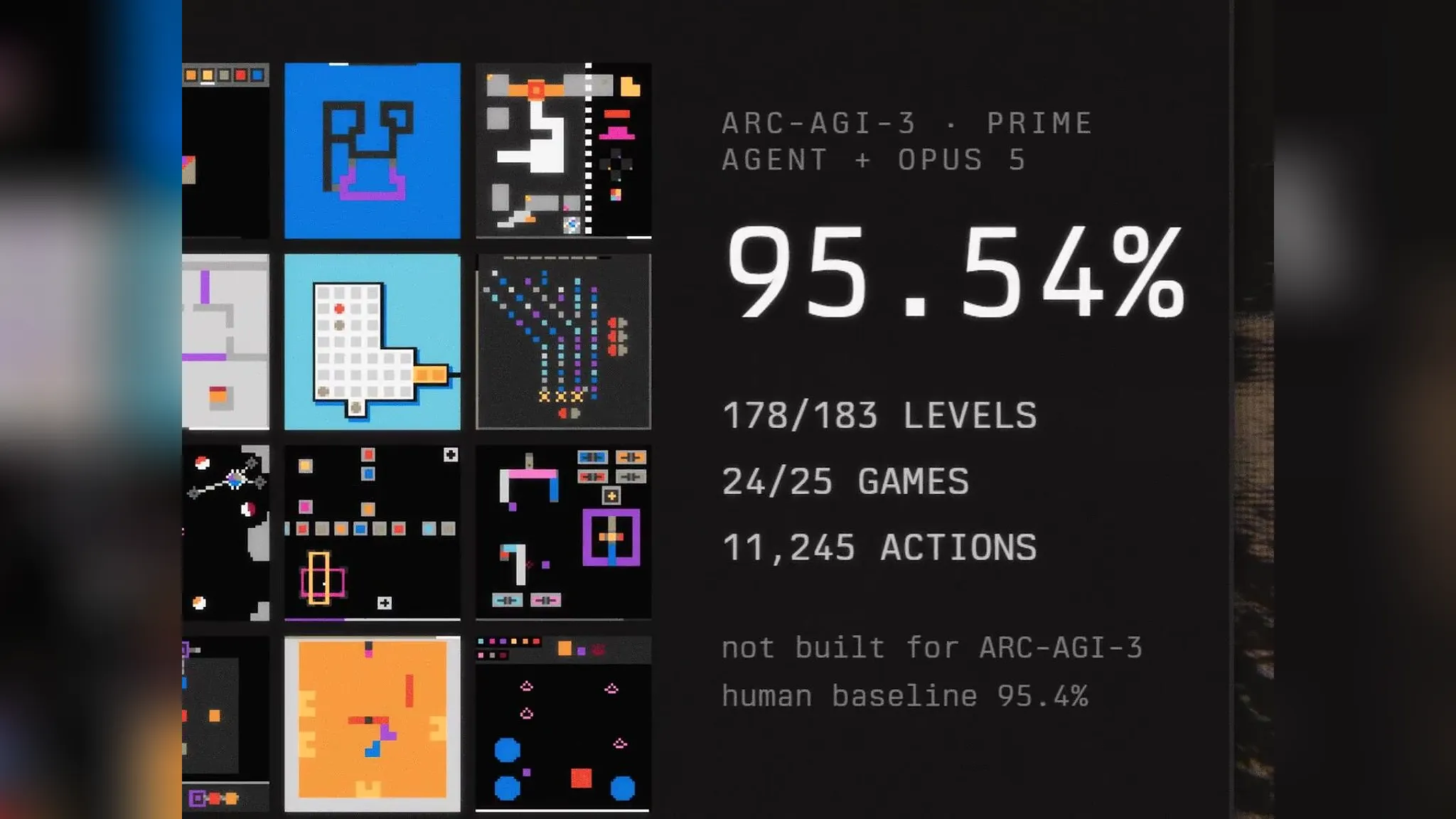
Currently, the only available information is limited to a single announcement post by Prime Intellect on X. Benchmark results, whether it's open source and under what license, which models it can be used with, and a timeline for general availability remain unknown. A video appears to be attached to the post, but the specific figures it contains have not been independently verified.
At this stage, it's therefore more accurate to view Prime Agent as being at the "design direction disclosed" stage. Judgment on its performance claims should be reserved until follow-up technical documentation or code release becomes available.


Comments