


Summary
- Google unveiled the Pixel Watch 5 at $399, a $50 increase over its predecessor.
- New features include offline Gemini that works without an internet connection, proactive AI suggestions, and insulin resistance trend tracking.
- There's no new proprietary charger, but a Satin Pyrite color option and a Stephen Curry Edition have been added.
Why the $50 increase isn't about hardware
This year's Pixel Watch 5 doesn't look dramatically different. It adds a Satin Pyrite case finish, a few new strap colors, and a Stephen Curry special edition. The Qualcomm processor got a modest speed bump and battery capacity increased slightly. Thankfully, there's no new proprietary charger forced on users.
Yet the price rose to $399, up $50 from the previous model. The Verge attributed this to "RAMageddon"—the memory price surge that has spread even to wearables. With hardware changes being minor, the price increase appears to stem from rising component costs rather than a spec race.
Gemini that works offline
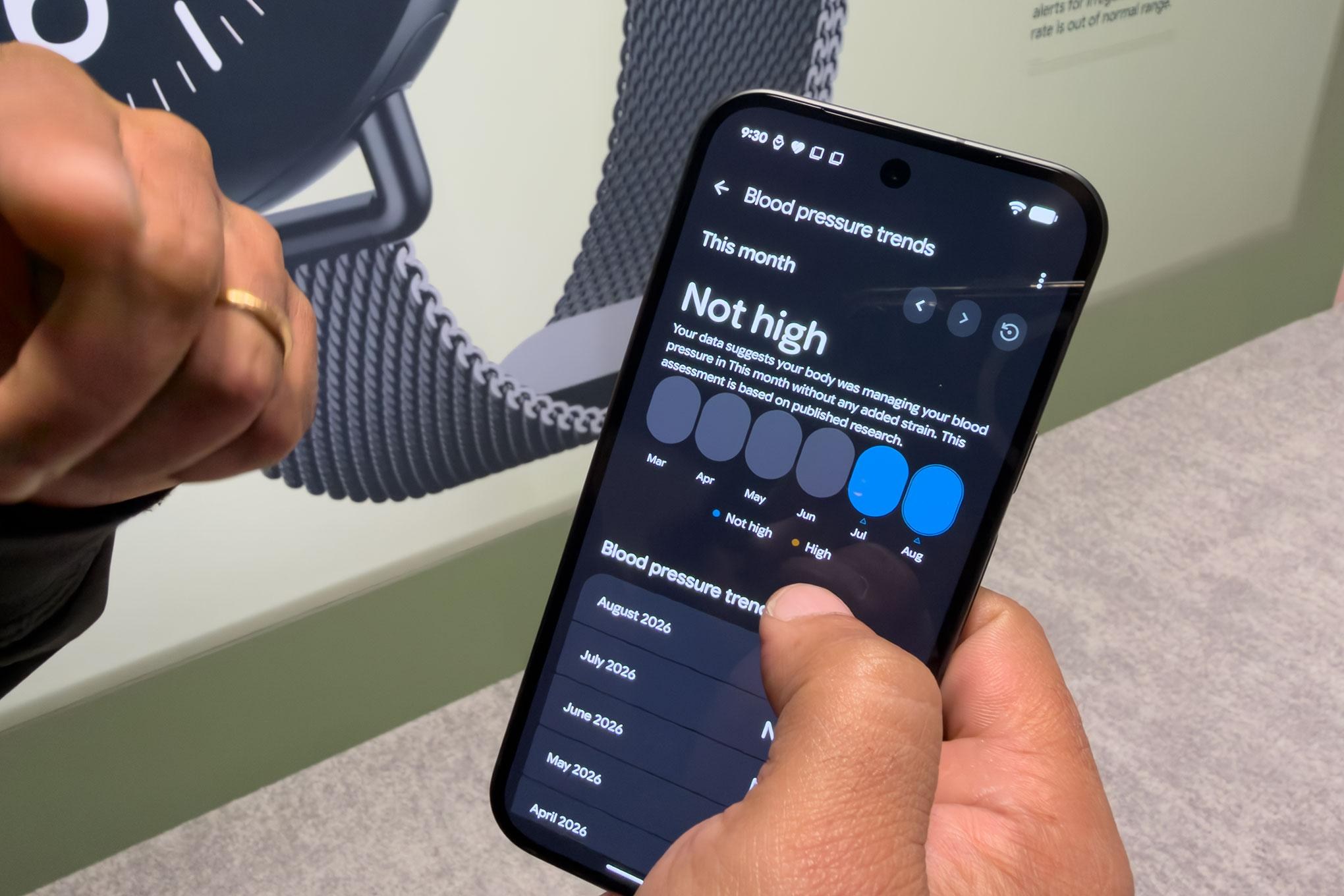
The real change in the Pixel Watch 5 lies in software. The most notable addition is offline Gemini, which works even without an internet connection. This means the AI assistant on your wrist can keep responding in areas with weak signal, like while hiking or riding the subway. Alongside this comes proactive AI suggestions, which surface useful information before you even ask, and more precise GPS mapping.
The excerpted source material doesn't specify exactly which menu path leads to these features or how broad a range of queries the offline mode can handle. Broadly speaking, it appears users will access the same Gemini conversation interface they normally use through the watch app's assistant interface, but it's now been expanded to work regardless of network connectivity.
Health data now covers insulin resistance
Health tracking has also advanced a step further. The Pixel Watch 5 adds a feature showing insulin resistance trends over time. This isn't a real-time blood sugar reading, but rather an indicator of how well the body responds to insulin over time. It could serve as new reference data for users concerned about prediabetes management or metabolic health.
The Pixel 11 series, unveiled at the same Made by Google event on August 12, also received a heavy dose of Gemini-based features. The base Pixel 11 rose $100 to $899, and the Pixel 11 Pro also rose $100 to $1,099, while base storage doubled to 256GB. At the same event, Google DeepMind unveiled SL2T, a model that converts American Sign Language into text, which was first applied to Gboard and Live Transcribe on the Pixel 11. The Pixel Watch 5's price increase appears to be part of this broader upward pricing trend.
| Product | Price | Change from previous |
|---|---|---|
| Pixel Watch 5 | $399 | $20+$50 |
| Pixel 11 | $899 | $40+$100 |
| Pixel 11 Pro | $1,099 | $40+$100 |
What you can actually do with it
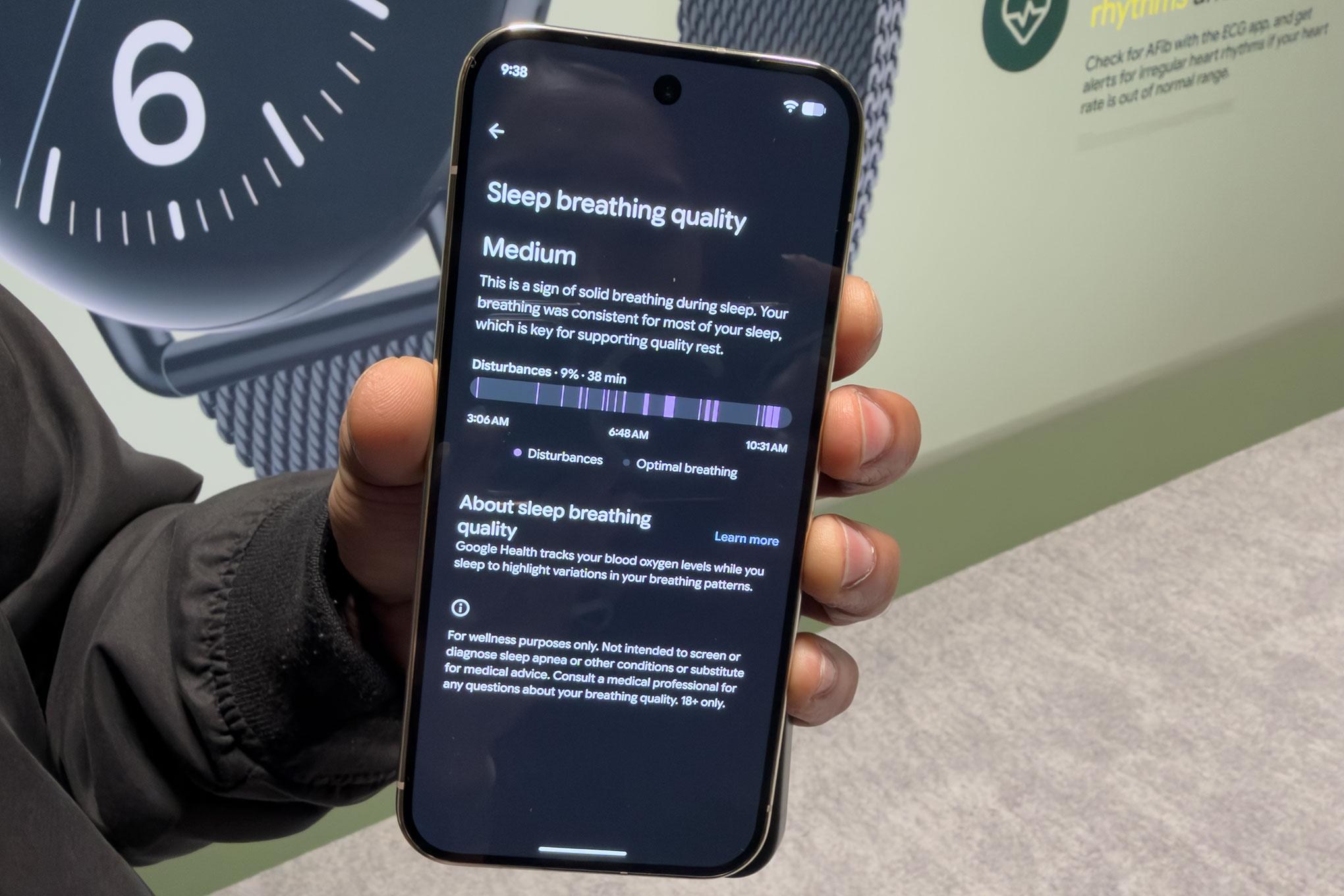
Offline Gemini lets users get answers to simple questions even when traveling without a data signal. For example, during a mountain trek, you could ask how far the next fork in the trail is, and combined with improved GPS mapping, receive guidance without any signal. Proactive AI suggestions will likely work by scanning your schedule in advance and notifying you of travel time before a meeting. The insulin resistance trend feature is built to accumulate data automatically just by wearing the watch daily, making it suited for long-term monitoring of bodily changes without any extra input.
So what's actually changing
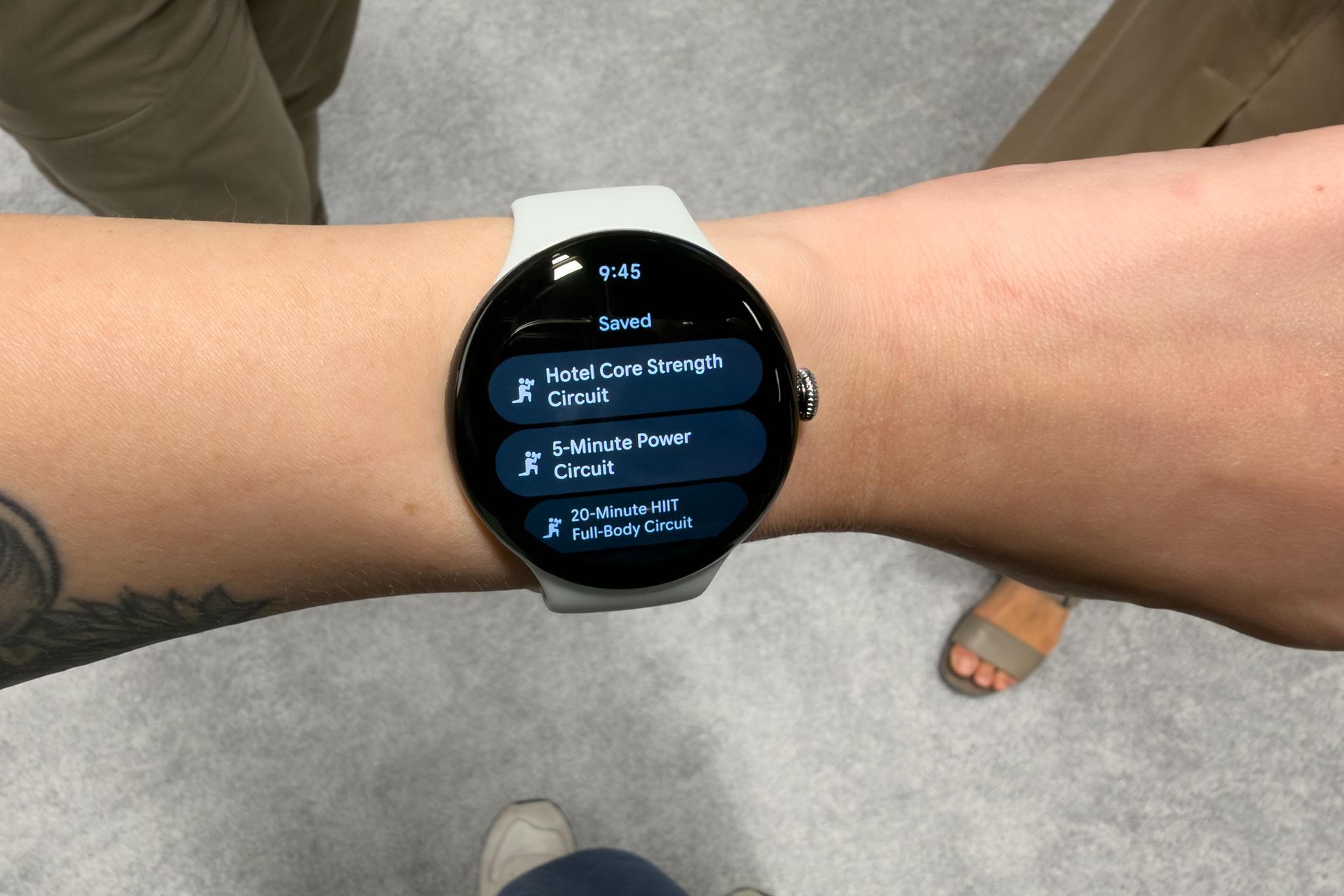
The Pixel Watch 5 shifted the competition away from specs and toward on-device AI and health-data precision. Gemini working offline points toward smartwatches doing more without needing a smartphone nearby, while insulin resistance tracking signals that wearable health features are moving beyond step counts and heart rate into metabolic health territory. Still, whether the $50 price increase is fully explained by these software enhancements, or how much of it reflects rising component costs, is difficult to determine from this announcement alone.


Comments