


Image: METAL
Summary
- The base Pixel 11 launches at $899, up $100 from its predecessor, with base storage doubled to 256GB
- The Pixel 11 Pro Fold is 10% lighter than its predecessor and comes with a 48MP camera and 30x super zoom
- Gemini-powered features, including sign-language-capable Live Transcribe and the voice-input tool Rambler, have been added across devices
What was announced
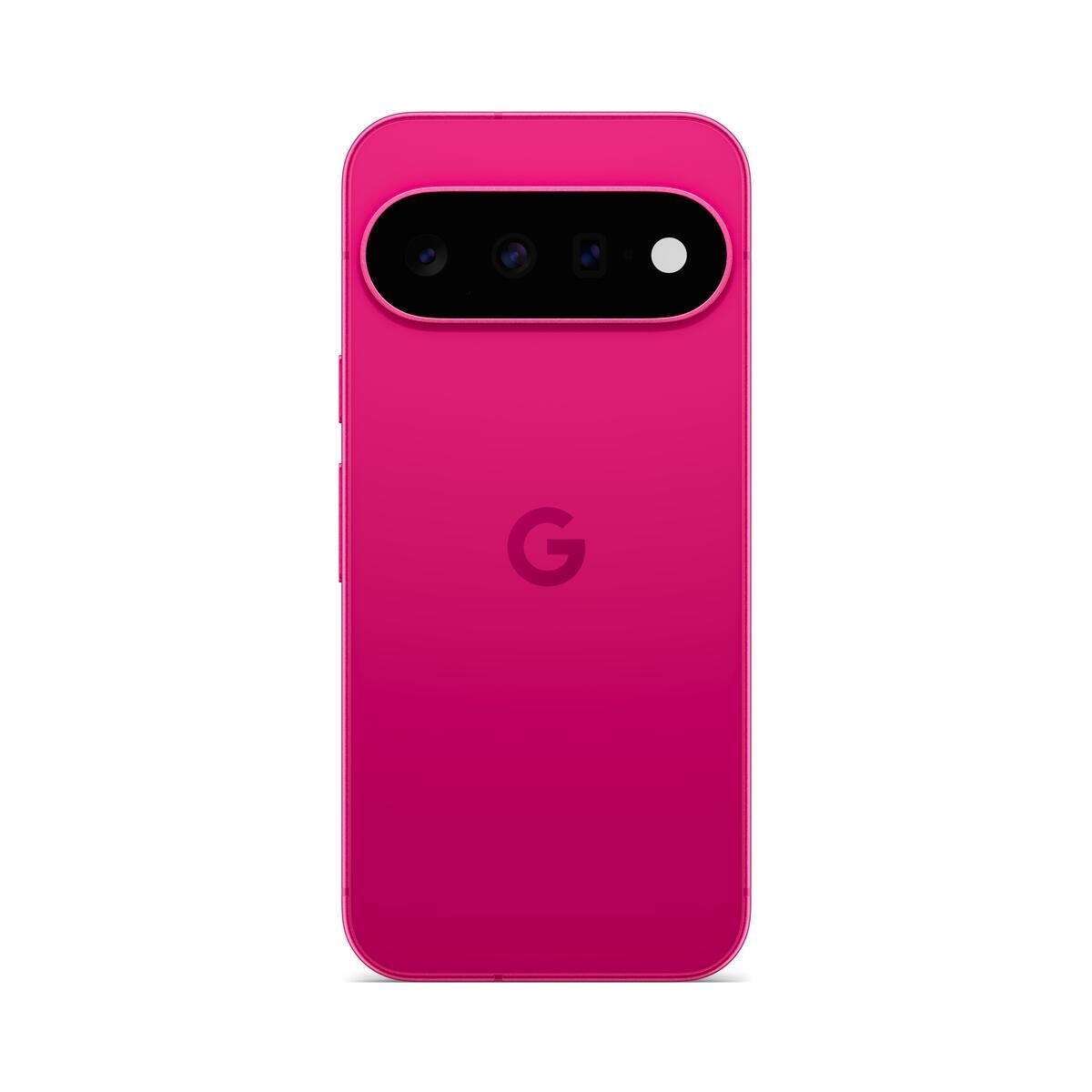
At the "Made by Google 2026" event on August 12 (local time), Google unveiled the Pixel 11 series, the Pixel Watch 5, and "Pixel Tag," a location tracker aimed at Apple's AirTag. The base Pixel 11 launches at $899, up $100 from the Pixel 10. Google cited doubling base storage to 256GB (and eliminating the 128GB option), along with a RAM supply shortage, as reasons for the price increase. The camera bar is more than 40% thinner than before and now spans the full width of the phone in a glass design.
The Pro lineup — Pixel 11 Pro and Pro XL — also saw a $100 price increase, launching at $1,099. Drop resistance has improved, and scratch resistance is more than double that of the previous generation. The foldable Pixel 11 Pro Fold is about 10% lighter and nearly 1mm thinner than its predecessor, and comes with a 48-megapixel main camera, 30x super zoom, and IP68 water and dust resistance.
Gemini-powered features are layered across the devices. Live Transcribe, which converts sign language captured by the camera into text, has been expanded to support American Sign Language. A new voice-input feature called Rambler has been introduced, designed to understand intent even when speech is interrupted or rambling. Circle to Search has been integrated directly into the Pixel Camera screen, allowing object recognition, translation, and queries to be handled without leaving the camera app.

What this means
In recent years, Google has used the Pixel series less as a hardware sales vehicle and more as a proving ground for Gemini features in devices that people actually hold. This time, too, what stands out is less the spec changes — camera bar design, storage capacity — and more the AI features layered on top. Rambler is designed to accept the way people actually speak — sentences that stop, restart, and loop back — targeting a limitation of conventional voice input that demanded complete, well-formed sentences. The expanded sign-language support in Live Transcribe reads as an accessibility feature aimed at expanding communication options that don't rely on typing.
These on-device AI features sit on the same trajectory as other recent Gemini expansions from Google. Much like Gemini Spark — a personal agent that runs in the cloud around the clock, operating a browser on the user's behalf — or the chat/task-switching experiments spotted in enterprise Gemini interfaces, Gemini is pushing beyond the search box and the cloud into device-level touchpoints like cameras, voice input, and wearables. Pixel is the stage where these experiments first reach consumers' hands.
The price increase, too, isn't fully explained by spec upgrades alone. Google's citing of a RAM supply shortage alongside expanded storage points to the memory chip supply crunch affecting the smartphone industry more broadly.
What changes now
Consumers considering the Pixel 11 face a trade-off: more storage, but $100 more to pay. At the same time, these devices serve as the first channel for Gemini features Google is testing, positioning Pixel less as a "phone" and more as the front line of Google's AI ecosystem. Specific specs for Pixel Tag remain unconfirmed, but the fact that Google is entering head-on into the location-tracker market long dominated by Apple's AirTag is itself another major thread of this event.


Comments