


Summary
- NVIDIA has released Alpamayo 2 Super, an open model for autonomous driving development
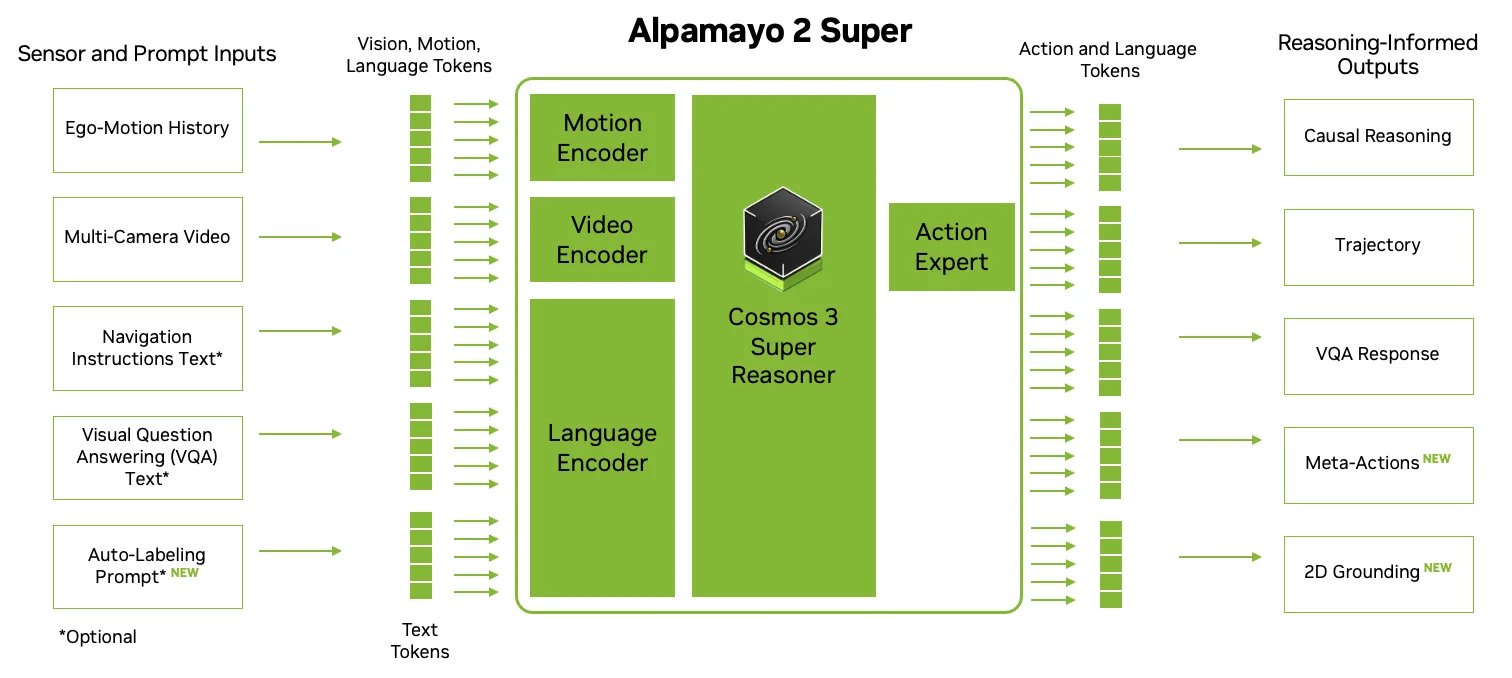
- It combines a 32B-parameter Cosmos 3 Super Reasoner with a 2B-parameter Action Expert for a total of 34B parameters
- It handles trajectory prediction, reasoning, meta-actions, VQA, and auto-labeling within a single model
NVIDIA has unveiled Alpamayo 2 Super, an open reasoning vision-language-action (VLA) model for autonomous vehicle (AV) development. The model combines a 32-billion-parameter Cosmos 3 Super Reasoner with a 2-billion-parameter diffusion-based Action Expert, for a total of 34 billion parameters, and was further trained via reinforcement learning.
Aiming for a Unified Workflow
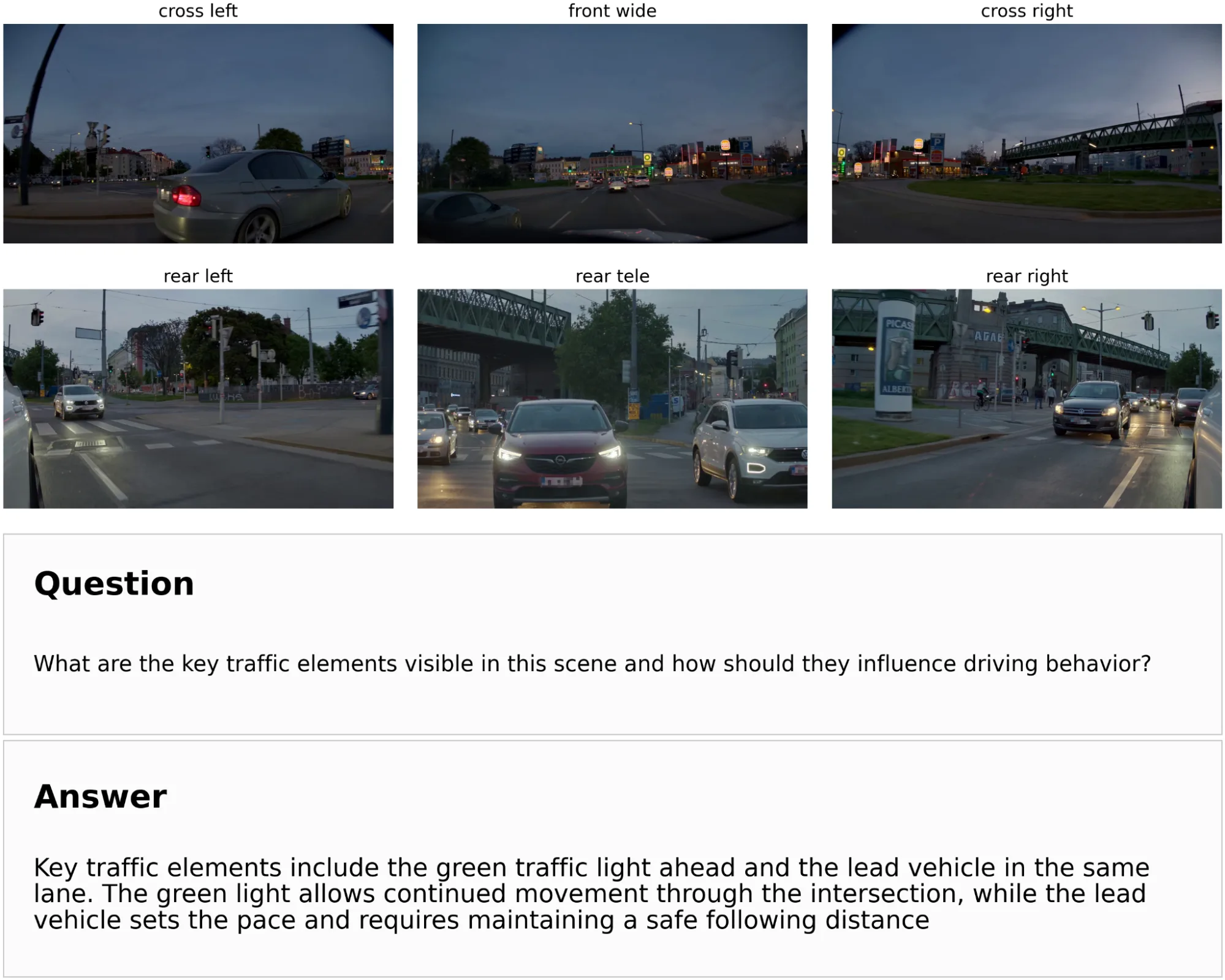
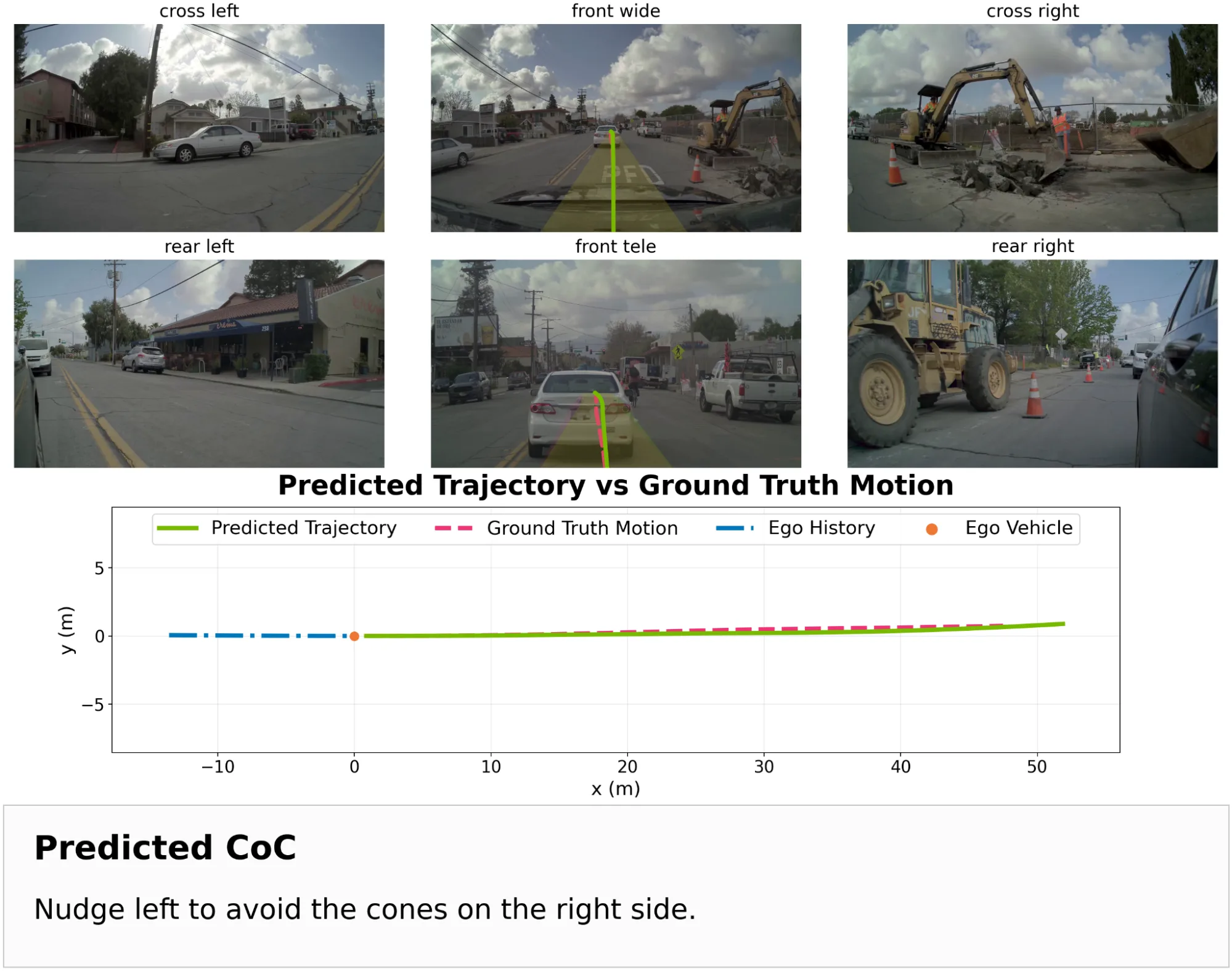
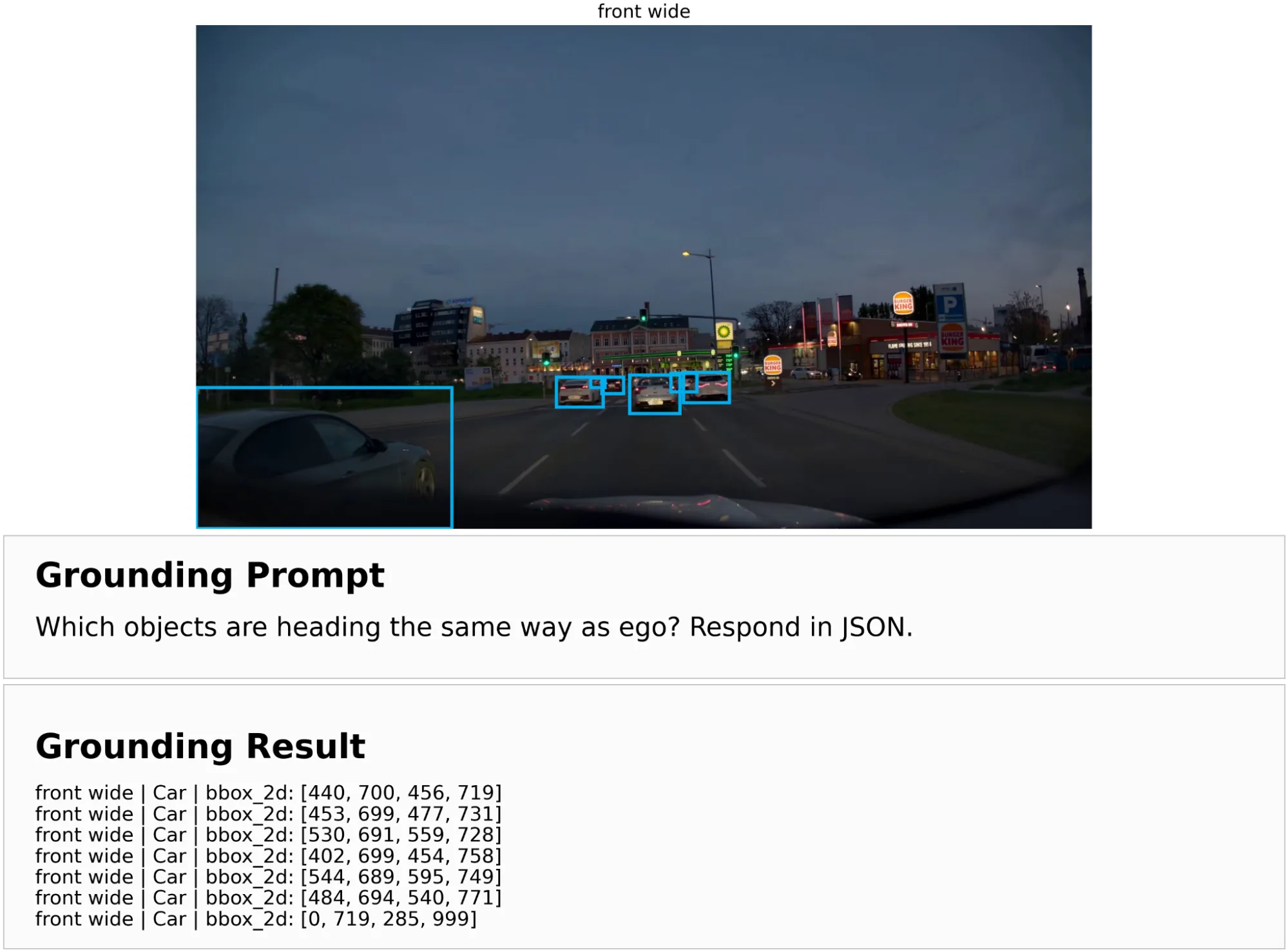
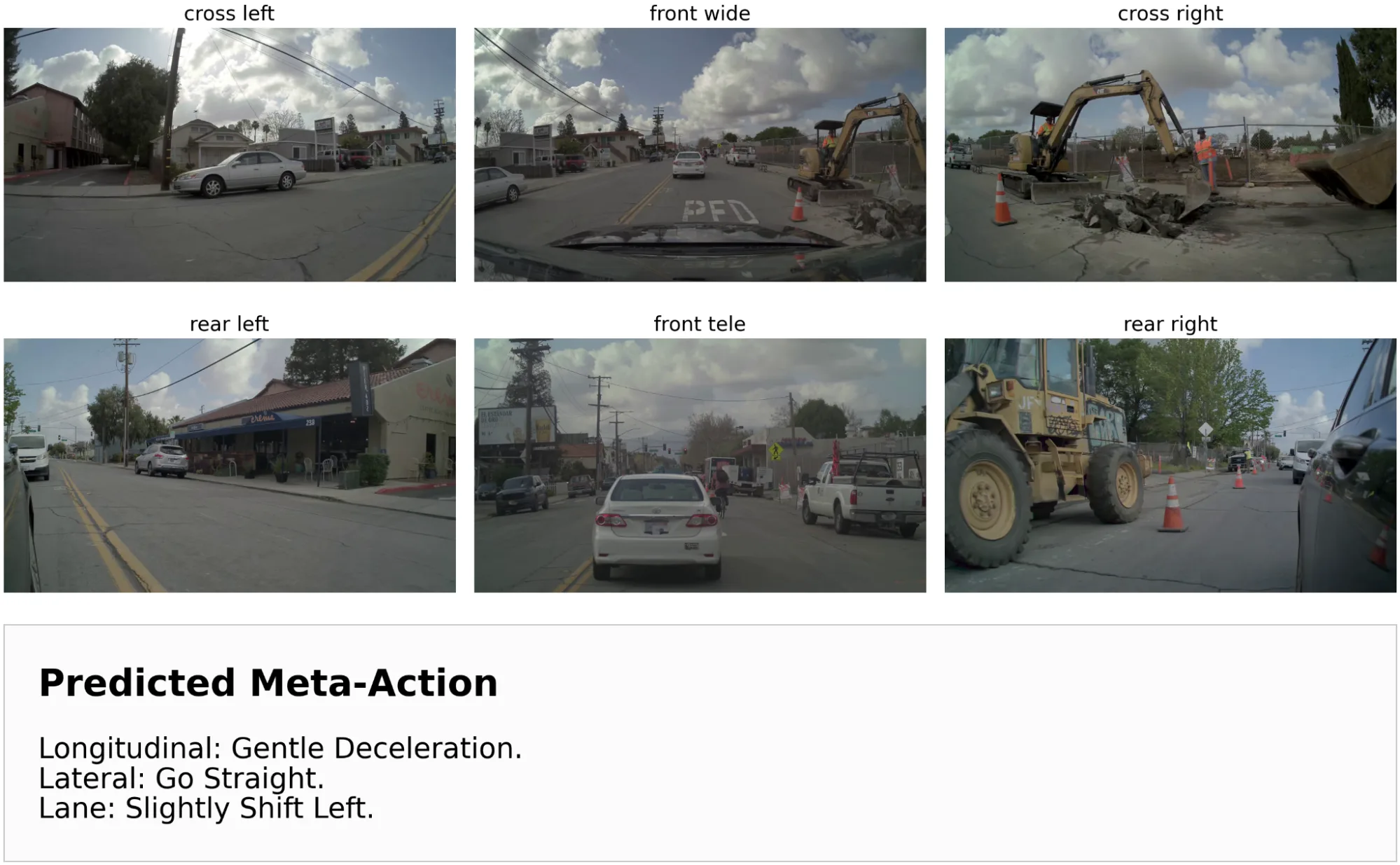
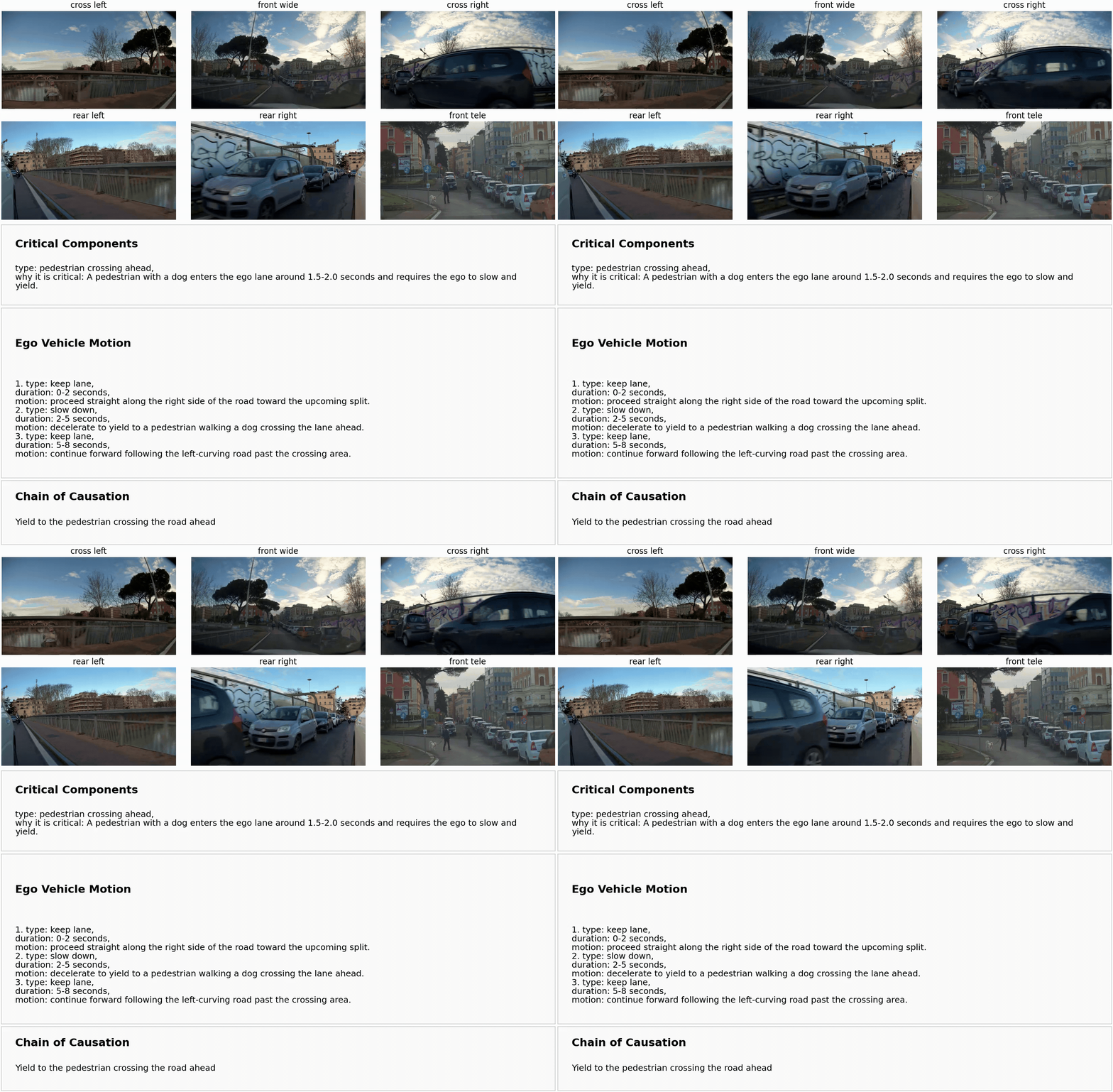
Autonomous driving development has traditionally handled trajectory generation, intent prediction, scene understanding, and data labeling as separate models. Alpamayo 2 Super unifies these into a single foundation model, supporting 360-degree perception from up to seven cameras and jointly outputting future trajectories, Chain-of-Causation reasoning traces, high-level meta-actions, scene question-answering with 2D grounding, and reasoning-based auto-labels.
NVIDIA explained that the model can serve as a common foundation across multiple stages of the development workflow, including as an offline policy teacher, an evaluation critic, a data engine, and a starting point for customizing new tasks.
Benchmark Results
According to released data, the model achieved a trajectory prediction score (minADE_6) of 0.911m, an AV reasoning score of 0.433, a LingoQA score of 79.2, meta-action IoU scores of 74.59 (lateral), 61.91 (longitudinal), and 73.55 (per-lane), a VQA answer similarity of 0.652, a 2D grounding IoU of 0.71, and a closed-loop AlpaSim score of 1.50 (±0.13), showing improved performance over existing models.
NVIDIA said the model weights are available on Hugging Face and the inference notebook on GitHub, and that the model is released under the Linux Foundation's open OpenMDW-1.1 license, which permits fine-tuning, creation of derivative models, and commercial redistribution.


Comments