


요약
- AWS가 Amazon Bedrock AgentCore에 temporal policies(시간적 정책) 기능을 추가했다
- 에이전트의 이전 도구 호출 이력을 근거로 현재 요청의 승인 여부를 판단한다
- 게이트웨이 경계에서 실행돼 에이전트 코드가 이를 우회할 수 없다고 설명했다
- 발표 매체
- AWS ML Blog
- 작성자
- Sean Eichenberger
- 발행일
- 2026-08-06
- 적용 대상
- Amazon Bedrock AgentCore Gateway
- 주요 기능
- 워크플로 순서 강제, 데이터 조작 방지, 재무 노출 한도, 고액 작업 승인 요구
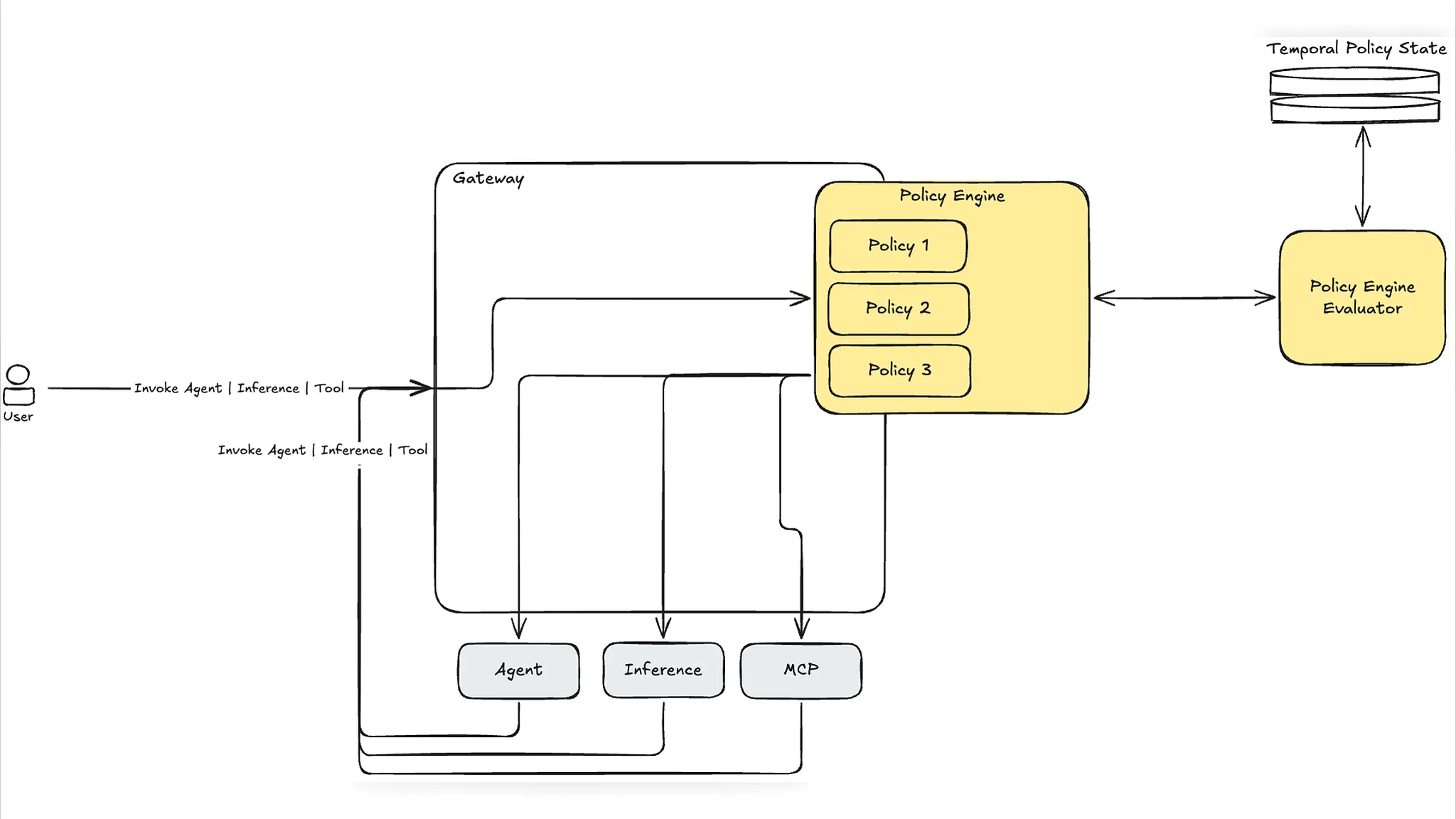
AWS가 Amazon Bedrock AgentCore에 '시간적 정책(temporal policies)'을 추가했다고 ML 블로그를 통해 밝혔다. 기존 정책은 각 요청을 독립적으로 평가하는 상태 비저장(stateless) 방식이었지만, 새 기능은 에이전트의 세션 이력, 즉 이전 도구 호출 순서를 함께 고려해 현재 요청의 승인 여부를 판단한다.
왜 필요한가
블로그는 AI 에이전트가 런타임에 어떤 도구를 어떤 인자로 어떤 순서로 호출할지 스스로 결정하기 때문에, 개별 호출만 보면 안전해 보여도 이전 맥락과 결합하면 위험할 수 있다고 설명했다. 예시로는 에이전트가 조회한 계좌번호를 다른 값으로 잘못 전달해 자금을 이체하거나, 누적 손실 한도를 초과했는데도 반복 거래를 계속 실행하거나, 동일한 보험 청구를 몇 초 안에 승인과 거부 모두 처리하는 상황이 제시됐다. 이런 사례는 개별 호출 단위 검사로는 걸러지지 않는다고 밝혔다.
무엇이 달라지는가
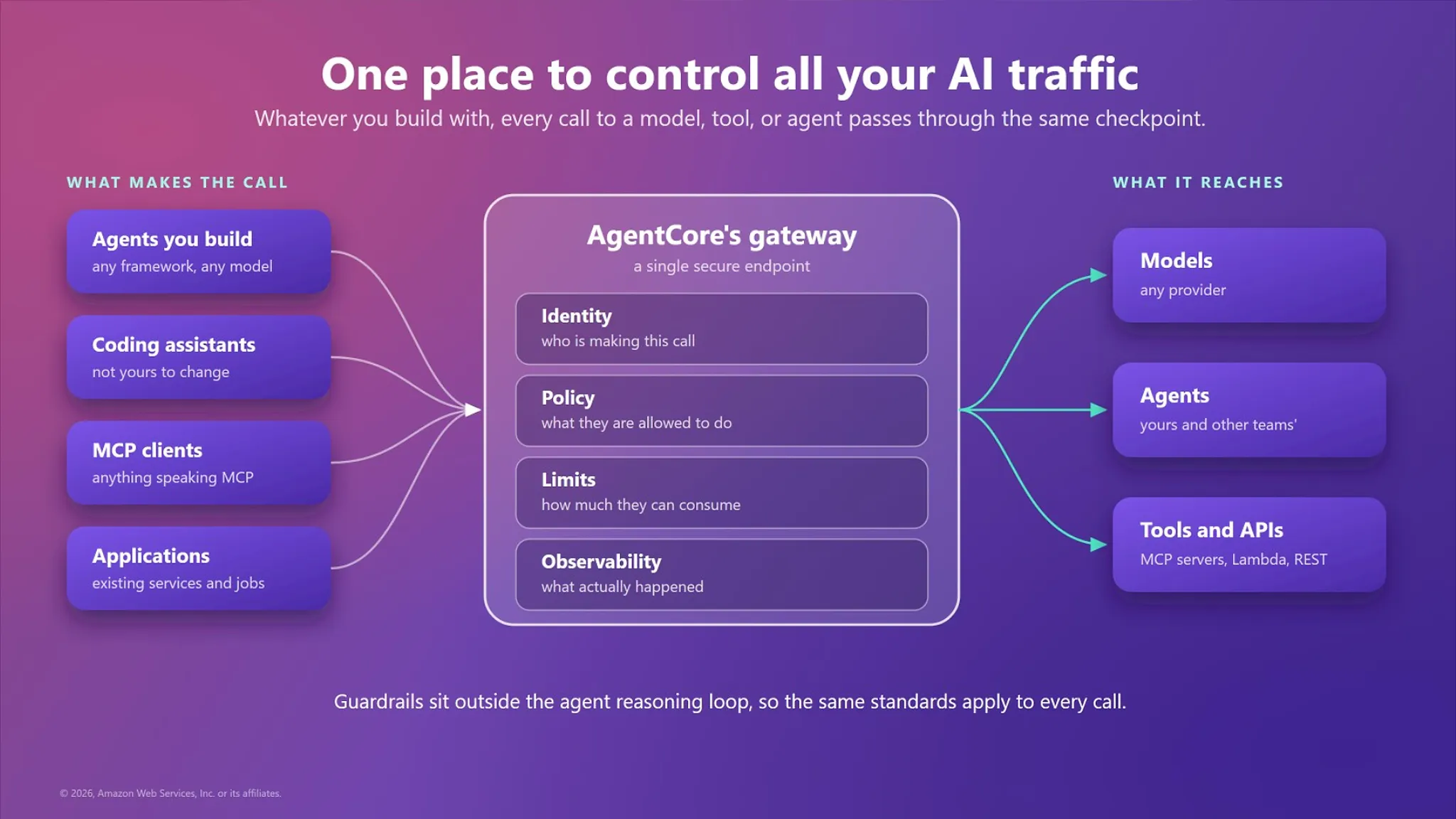
시간적 정책은 AgentCore Gateway 경계에서 실행되며 에이전트 자체 코드 바깥에 위치해, 프롬프트 조작이나 코드 버그와 무관하게 우회할 수 없다고 설명했다. 활용 사례로는 이전 도구 호출 결과와 정확히 일치하는 인자만 허용해 값 조작을 막는 '출력 무결성 강제', 특정 절차 준수를 위한 '도구 호출 순서 강제', 민감한 작업 전 사람의 명시적 승인 기록을 요구하는 기능, 정해진 시간 내에 조회된 최신 데이터만 사용하도록 하는 '데이터 신선도 강제'가 소개됐다. AWS는 이 기능이 사람의 개입 없이 작동하는 에이전트에 대해서는 권한을 자동으로 더 좁히는 방식으로도 쓰일 수 있다고 덧붙였다.


댓글